Bitcoin Ordinals Creator Proposes Overhaul of Inscription Numbering
Casey Rodarmor, the chief coder behind the Bitcoin Ordinals protocol, announced Tuesday that he is proposing a significant change to the software, one that could be viewed with skepticism by its budding user base.Reveale...
Archive context
Older archive item. Useful for background and entity history, but not a fresh market-moving signal.

Casey Rodarmor, the chief coder behind the Bitcoin Ordinals protocol, announced Tuesday that he is proposing a significant change to the software, one that could be viewed with skepticism by its budding user base.
Revealed in a post on X Tuesday, Rodarmor specifically proposed deprioritizing the canonical numbering system that assigns unique and coveted numbers to inscriptions created on the Bitcoin network.
Since the protocol's inception, each digital artifact created using Ordinals has been assigned a unique inscription number. These numbers, akin to serial numbers, have become an essential part of the digital art's identity.
Lower numbered inscriptions have been historically perceived as more valuable, driving collectors to seek these coveted positions within the numbering hierarchy. For instance, Casey Rodarmor himself owns the highly sought-after "Inscription 0."
Notably, the change does not impact the numbering system the protocol assigns to individual satoshis on the Bitcoin blockchain, which would still be awarded a distinct numerical score based on their ordering in Bitcoin blocks.
Still, Rodarmor sought to assuage the market in his comments discussing the change, expressing concern that the effort to maintain stable inscription numbers "has resulted in complicated code and hindered the protocol's development."
He continued: "The need to ensure new changes do not alter the numbers of existing inscriptions has made the development process cumbersome and challenging."
Rodarmor's proposal could spark a lively debate within the Ordinals community, as well as among NFT collectors and crypto enthusiasts. However, it's noteworthy that Rodarmor himself believes this system is already unstable.
Discussing past attempts to rectify the issues, like adding negative numbered "cursed inscriptions" to the protocol, he wrote:
Cursed inscriptions and negative inscriptions numbers have a number of downsides:
- An inscription number now does not tell you anything about the order in which the inscription was made.
- The logic required to keep track of which inscriptions are cursed is a source of bugs and complexity.
- "Blessing" cursed inscription types, i.e., collectively deciding that after a certain block height, certain cursed inscription types will no longer be assigned negative numbers, and be assigned positive numbers instead, requires coordination.
- Cursed inscription numbers are permanently unstable, so a substantial number of inscription numbers are already unstable, even under the status quo.
Rodarmor's solution, in his own words, would make the existing inscription numbers "permanently unstable," changing how indexers would treat this information as opposed to eliminating them entirely.
Some market observers like Luxor's Charlie Spears backed the move, stating: "Inscription numbers are a shitcoin, and overemphasis on the number has led to ill-conceived protocol decisions and weird market dynamics."
Time will tell if the market agrees.
Notably, the proposal comes on the heels of a rare public appearance by Rodarmor at the recent Ordinals Summit in Singapore, where he discussed the protocol's success and future innovations. As such, the pull request could signal that the developer is about to enter a period of renewed activity.
Why this matters
This nft story adds another data point to the current market tape and is useful when read alongside nearby source coverage.
Original source
Read on Bitcoin MagazineRelated market context
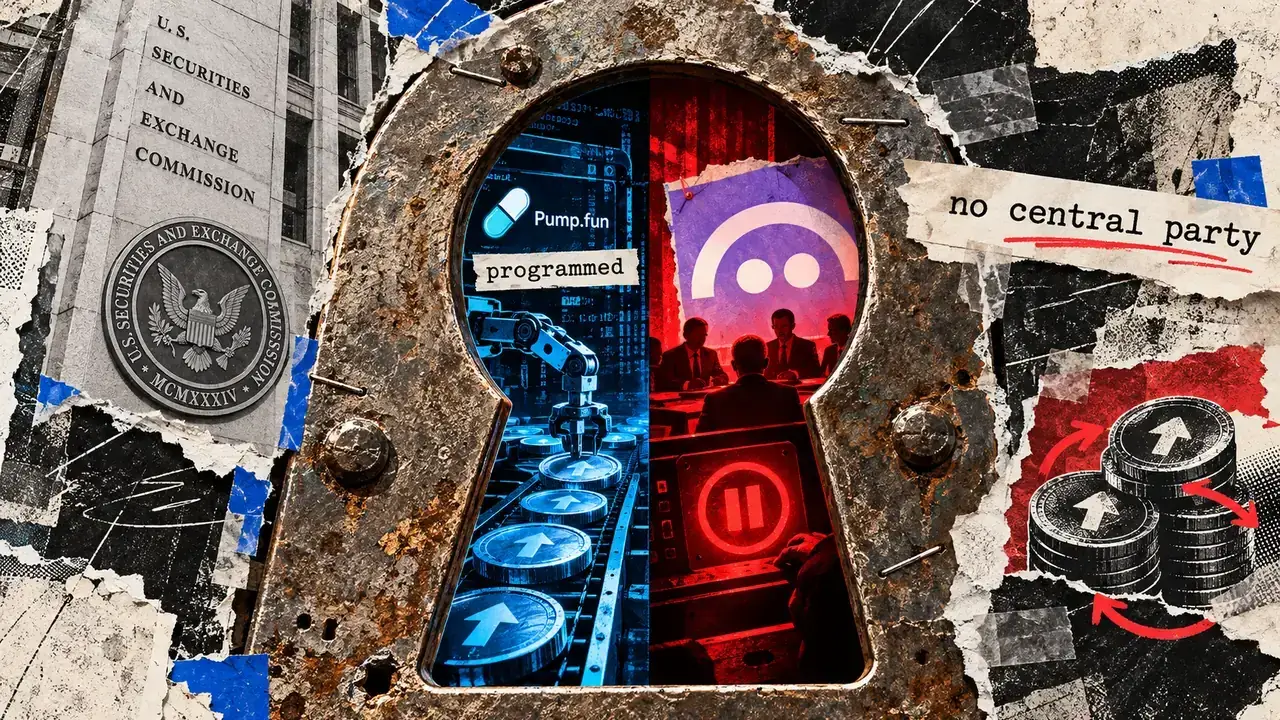
SEC changes token buyback guidance as spending hits $638M
The US Securities and Exchange Commission tightened its guidance for crypto token buybacks just three days after publishing it. On...

Polymarket traders put October Fed hike odds at 37%, with no change at 61%
Market volatility reflects uncertainty in economic data, influencing investor sentiment and potential monetary policy adjustments....

Introducing The Information Exchange on Solana, Powered by Decrypt and MYR
Decrypt is the destination, Myriad is the infrastructure and MYR is the token for a connected media ecosystem.

Coinbase International Exchange migrates to Deribit, downtime expected Oct 1
The migration to Deribit signifies a strategic consolidation, potentially enhancing market efficiency but requiring traders to ada...

CryptoQuant reports 160% surge in altcoin exchange deposits in 2 weeks
Increased altcoin exchange deposits may signal impending market volatility, highlighting potential shifts in investor sentiment an...
Bitget records $231M in deposits, down from August average as exchange navigates post-hack recovery
Bitget's post-hack recovery highlights the critical role of trust and transparency in maintaining user confidence and market stabi...