Chinese Tech Giant Tencent to Shut Down NFT Platform Amid Trading Restrictions
China’s Tencent Holdings plans to shut down its non-fungible token (NFT) platform Huanhe only a year after its launch. The social media giant has reportedly made the decision because of the strict ban on the resale of NF...
Archive context
Older archive item. Useful for background and entity history, but not a fresh market-moving signal.

China’s Tencent Holdings plans to shut down its non-fungible token (NFT) platform Huanhe only a year after its launch. The social media giant has reportedly made the decision because of the strict ban on the resale of NFTs imposed by the authorities in Beijing.
Huanhe to Close Down a Year After Launch as China Curbs NFT reselling
Shenzhen-headquartered technology conglomerate Tencent is preparing to shut down its NFT platform as early as this week, according to a report by Chinese media outlet Jiemian, quoted by the South China Morning Post. The move comes amid restrictions on the secondary trading of NFTs in the People’s Republic which are said to have hurt the platform’s business potential.
Jiemian is citing unidentified sources from Tencent but the company has refrained from providing an official comment on the matter. Huanhe, which issues and distributes blockchain-based digital collectibles, was launched just a year ago.
All NFTs on the app are already marked as “sold out,” although users can still visit augmented reality art exhibitions. Another report quoting a different Tencent source, from the state-owned media Yicai Global, reveals that trading halted in early July in anticipation of a crackdown.
Huanhe was developed by Tencent’s Platform and Content Group (PCG), which was hit hard by lay-offs earlier this year. If the NFT unit terminates activities, this would mark a major retreat by Tencent from the market of digital collectibles, the SCMP notes.
In June, Tencent’s social media app Wechat announced its intentions to prohibit public accounts facilitating secondary trading or offering guidance for non-fungible tokens. A little later, the Tencent News app stopped selling NFTs.
Other Chinese tech giants, such as Alibaba Group Holding, have been careful with their involvement with NFTs, with Chinese platforms usually substituting the NFT label with the term “digital collectibles,” which isn’t necessarily associated with cryptocurrencies.
The government in the mainland has been going after crypto-related activities, including investment, trading, and mining. It has highlighted concerns that speculation could lead to bubbles in the digital assets market, while promoting the state-issued digital yuan. According to existing regulations, the tokens can be purchased only with Chinese fiat and never resold.
Do you expect other NFT platforms in China to shut down in the near future? Tell us in the comments section below.
Why this matters
This nft story adds another data point to the current market tape and is useful when read alongside nearby source coverage.
Original source
Read on Bitcoin NewsRelated market context

China Crypto Future: Solana Co. CEO Joseph Chee on Regulation
Solana Co. CEO Joseph Chee expects China eventually to accommodate more crypto activity under close regulation, a forecast he made...

RWA perps market hits $117.3B in monthly volume, up 44x in a year
The surge in onchain trading of RWA perps highlights the transformative impact of decentralized platforms on financial markets. Th...

BitMart Proposes Court-Backed Plan Offering Users Payouts or Tokens Tied to Its 2021 Hack
BitMart has published a preliminary plan for repaying its users, more than two months after the crypto exchange began winding down...

10 Years After Sibos Shut Ripple out, Swell Draws 1,500 Finance Leaders
XRP ETFs, stablecoin issuance, and automated payments are among the financial questions on Swell’s expanded program. Ripple’s Sept...
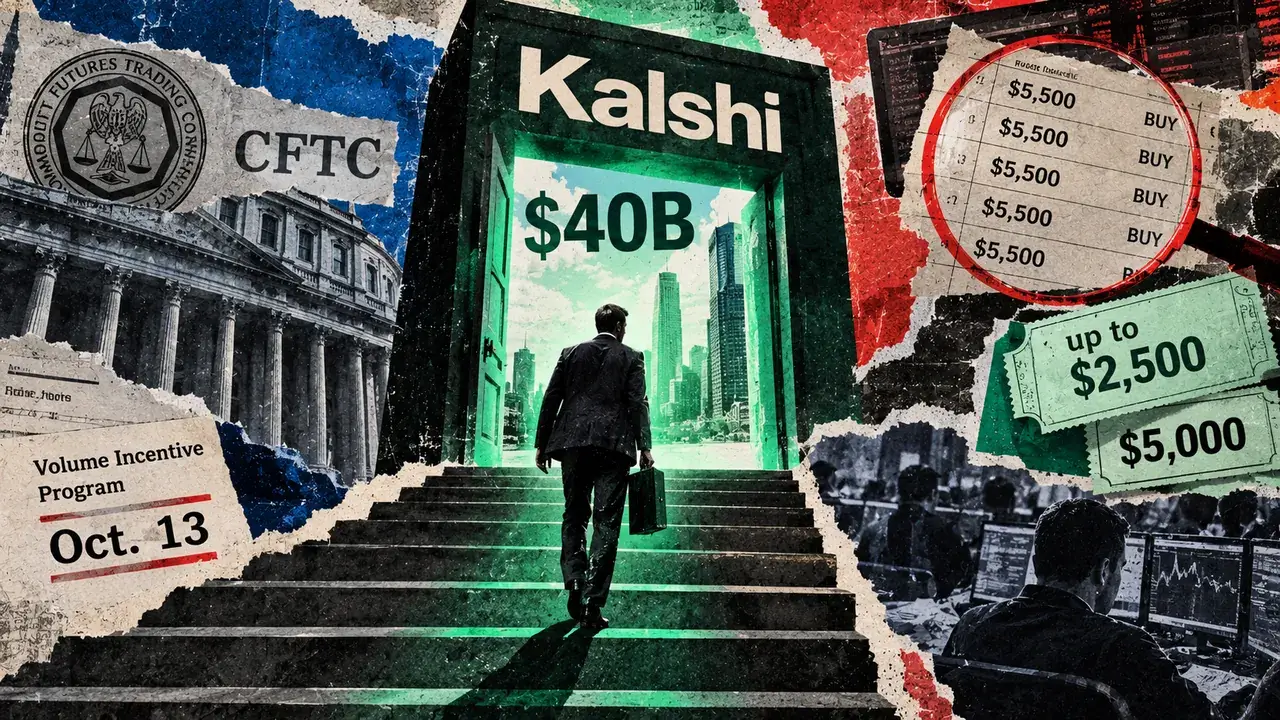
Kalshi’s $40 billion growth story hits tough questions about its trading volume
Kalshi is ending a trader-volume incentive program nearly a year early as scrutiny of activity in its crypto markets intensifies....

Zcash (ZEC) Price Prediction: Whale Accumulation and ETF Outflows Put ZEC at a Critical Crossroads Around $1,400
The Zcash price reached a September high near $1,687 before retreating toward the $1,400 area. Historical price data shows the tok...