Game Developers GSC Game World and Ubisoft Face Backlash About NFT Inclusion
GSC Game World and Ubisoft, two game development companies, are dealing with backlash about the inclusion of NFT elements in some of their games. While GSC Game World — developer of the popular Stalker gaming franchise —...
Archive context
Older archive item. Useful for background and entity history, but not a fresh market-moving signal.
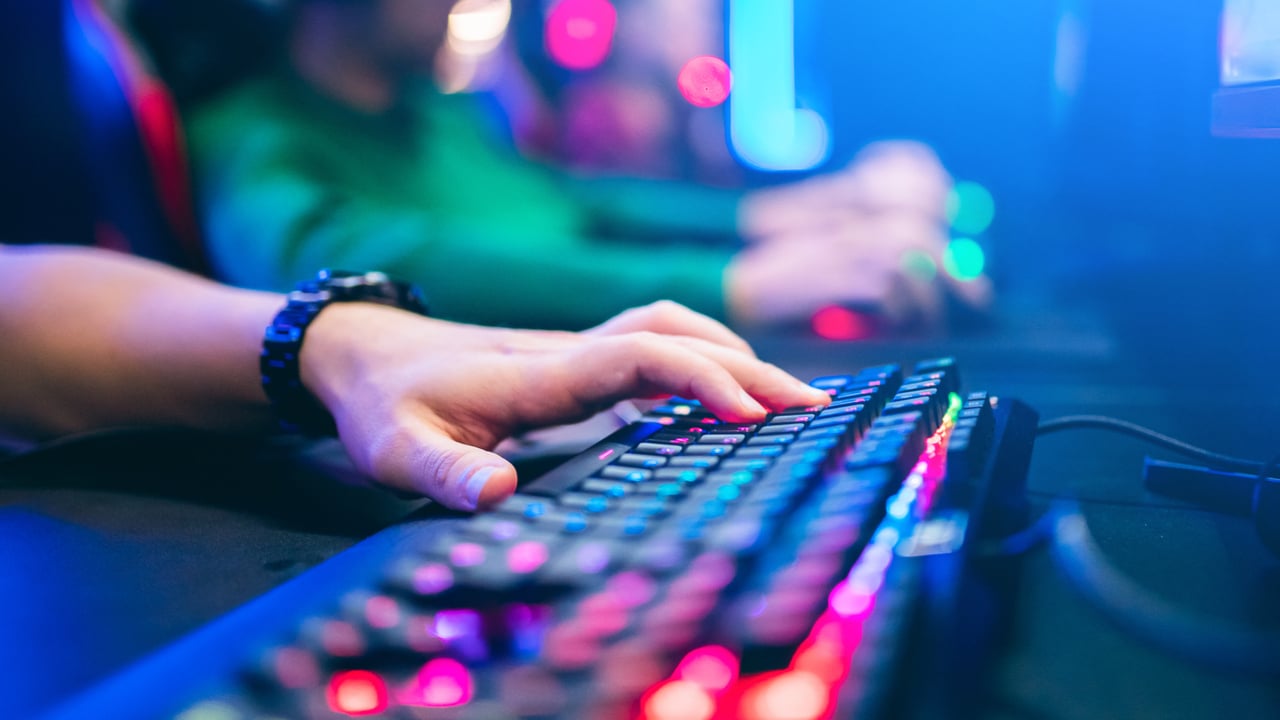
GSC Game World and Ubisoft, two game development companies, are dealing with backlash about the inclusion of NFT elements in some of their games. While GSC Game World — developer of the popular Stalker gaming franchise — has abandoned its plans in this regard, Ubisoft is pushing forward and has announced a partnership with Aleph.im to store images from its NFT platform.
GSC Game World and Ubisoft Take Different ApproachesTwo game developers that recently announced the introduction of NFT elements as part of their upcoming and existing games are dealing with negative backlash from the gaming public on this issue. However, each one of them is doing it differently. GSC Game World, creators of the Stalker gaming franchise, based in Ukraine, stated that they would stop all plans regarding including NFT elements in Stalker 2, an upcoming game. The company released a statement on Twitter, declaring:
We hear you. Based on the feedback we’ve received, we’ve made a decision to cancel anything NFT-related in S.T.A.L.K.E.R. 2. The interests of our fans and players are the top priority for the team. We’re making this game for you to enjoy—whatever the cost is. If you care, we care, too.
GSC Game World had stated previously that all funds coming from potential NFT sales would go toward improving the game before its release to make it even better.
Ubisoft Pushes ForwardHowever, not all developers have desisted in going forward with their planned roadmap, even with the negative reception coming from users. Specifically, Ubisoft, another game company, has announced today a partnership with Aleph.im, a decentralized storage solution, to save images and info for every NFT saved in its own NFT market, called Ubisoft Quartz. The PR statement on this partnership stated that:
The NFT metadata will be stored on aleph.im’s fully decentralized storage system of over 70 nodes, while all NFT ownership will be tracked on the Tezos blockchain.
Quartz, which is the platform already in use by the company to bring NFTs to games like Ghost Recon: Breakpoint, debuted on December 9, and is built on top of the Tezos blockchain. Ubisoft promotes the development as “energy-efficient playable NFTs,” but the December 8 announcement of the platform was received with almost universal criticism, with more than 95% of viewers disliking it on Youtube.
What do you think about the backlash that game developers have received for introducing NFTs to their games? Tell us in the comments section below.
Why this matters
This nft story adds another data point to the current market tape and is useful when read alongside nearby source coverage.
Original source
Read on Bitcoin NewsRelated market context

HANetf Debuts Euro-Hedged Bitcoin Fund in World First
Bitcoin Magazine HANetf Debuts Euro-Hedged Bitcoin Fund in World First A new bitcoin exchange-traded fund has hit Europe — with a...

HANetf launches world’s first euro-hedged Bitcoin ETP in Europe
The launch of euro-hedged Bitcoin ETPs in Europe signifies growing institutional acceptance and integration of crypto into traditi...
Crypto News Feeds Grow Murkier as The Block Archive Surfaces Partnership With The Hill
The Block's shifting news archive obscured its page 360 contents, but one fact emerged: a 24 Sept 2026 partnership with The Hill....
Citi expands Coinbase partnership to power stablecoin payments for businesses
Coinbase is expanding partnership with Citi to provide businesses with infrastructure connecting traditional fiat payments and sta...

Vitalik Buterin unveils plan for Ethereum as ‘cryptographic world computer’
Buterin's vision for Ethereum could enhance its scalability and privacy, potentially boosting long-term market confidence and pric...
Soluna And Bitdeer Add 7 MW To Texas Bitcoin Mining Deal
TL;DR Soluna and Bitdeer have expanded their Project Kati 1 agreement by approximately 7 MW. Bitdeer’s total deployment at the win...