Hackers Offer to Sell Belarus President Lukashenko’s Passport as NFT
Anti-government hackers have attempted to sell what they say is an NFT of Belarus President Alexander Lukashenko’s passport. The members of the ‘Belarusian Cyber Partisans’ collective claim to have obtained the passport...
Archive context
Older archive item. Useful for background and entity history, but not a fresh market-moving signal.
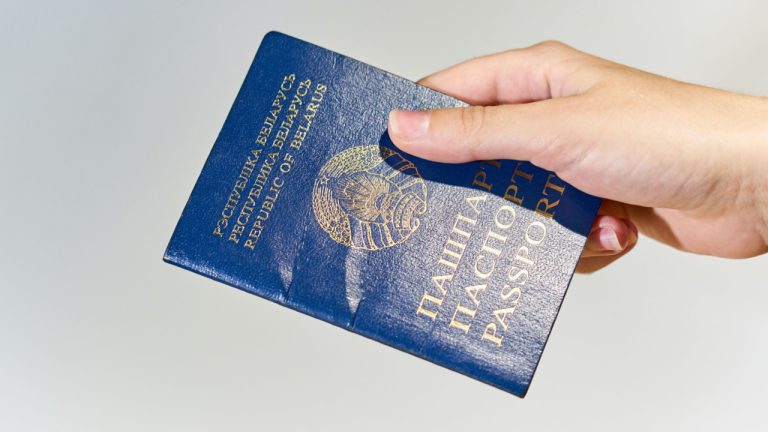
Anti-government hackers have attempted to sell what they say is an NFT of Belarus President Alexander Lukashenko’s passport. The members of the ‘Belarusian Cyber Partisans’ collective claim to have obtained the passport data of all of the country’s citizens.
Cyber Guerrillas From Belarus Try to List NFT Passport Collection on OpenseaA hacking group known as ‘Belarusian Cyber Partisans’ have bragged about gaining access to a government database storing the passport details of every citizen of Belarus, including high-ranking officials like the country’s long-term head of state, Alexander Lukashenko.
The hackers have released a collection of non-fungible tokens (NFTs) called “Passports of Belarusians,” which also is said to contain the passport data of the country’s president and his close associates. The group further tried to list the collection on leading NFT marketplace Opensea, but the platform removed it as a violation of its terms.
🧵1/3🔥For the 1st time in human history a #hacktivist collective obtained passport info of the ALL country’s citizens. Now we’re offering you an opportunity to become a part of this history 😎. Get a unique digital version of #lukashenka passport as #NFT https://t.co/gOlWdoUehi pic.twitter.com/RxdWpBqA8f
— Belarusian Cyber-Partisans (@cpartisans) August 30, 2022
Promoting their initiative on Twitter, the group noted it’s launching the NFTs exactly on Lukashenko’s birthday, Aug. 30. “Help us ruin it for him,” they urge followers while also suggesting a “special offer” — to buy a version of his passport with a photo of “the dictator… behind the bars… while he’s still alive.”
In another tweet, the hacktivist collective says it has also put the passports of Lukashenko’s closest allies “and traitors of the people of Belarus and Ukraine” up for sale. Its members promise that all raised funds will go to support “our work in hitting bloody regimes in Minsk & Moscow.”
However, some in the crypto community have doubted the authenticity of the identification documents, the Russian crypto news outlet Bits.media remarks in a report. It points to a typo on the first page depicted in the digital version of Lukashenko’s passport and a misspelling of his first name in English.
‘Belarusian Cyber Partisans’ has been targeting the Lukashenko-led administration of the Eastern European nation for its support — logistical and otherwise — of Russia’s invasion of neighboring Ukraine. For example, it took responsibility for a cyberattack on the Belarusian railroad system, demanding the withdrawal of Russian troops from the country.
The hacking group has been raising funds in cryptocurrency to finance its activities. According to a report by blockchain analytics firm Elliptic published in early February, before Russia launched its “special military operation” in Ukraine, the Belarusian cyber guerrillas had been able to collect $84,000 in BTC in the preceding six months.
Do you think the NFT offered by the Belarusian hackers represents President Lukashenko’s real passport? Tell us in the comments section below.
Why this matters
This nft story adds another data point to the current market tape and is useful when read alongside nearby source coverage.
Original source
Read on Bitcoin NewsRelated market context
Belarus Approves the Country’s First Crypto Banks: Report
Bitcoin Magazine Belarus Approves the Country’s First Crypto Banks: Report The first crypto banks have opened in Belarus, accordin...
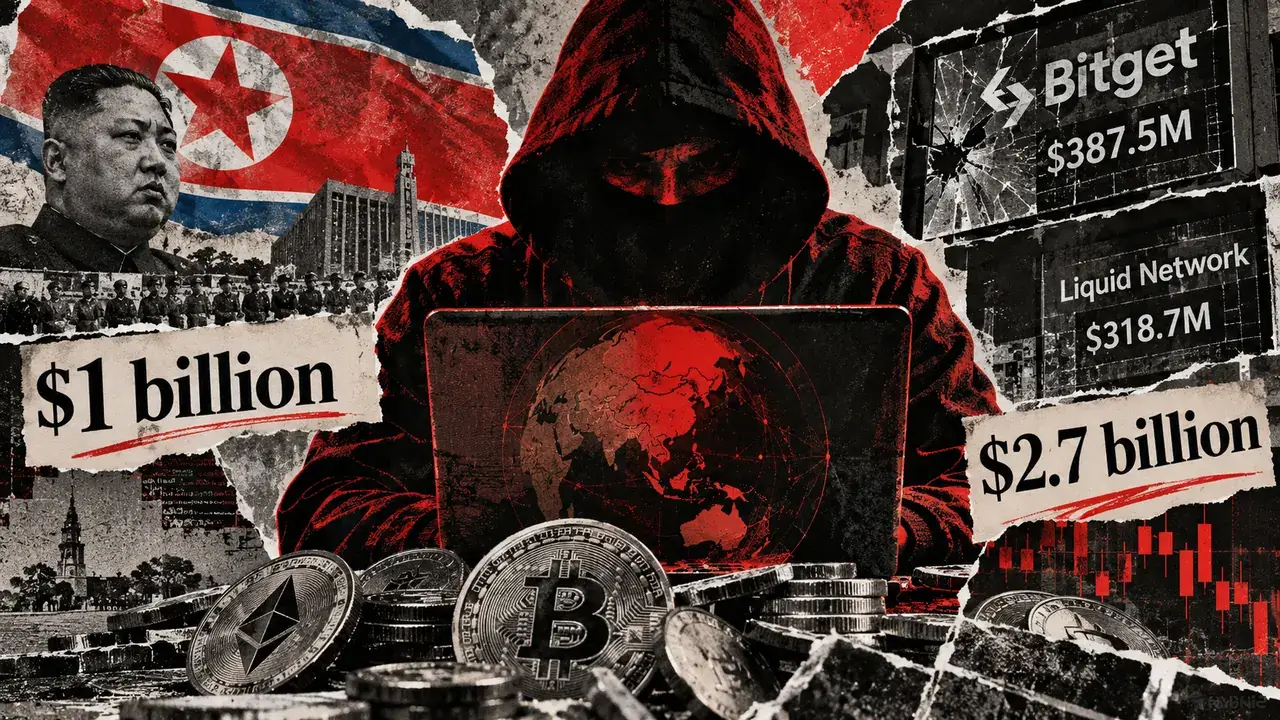
Crypto hackers have taken $2.7 billion in 2026 and the losses are alarmingly concentrated
Crypto firms and users have lost nearly $2.7 billion to security incidents this year, with North Korea-linked thefts exceeding $1...
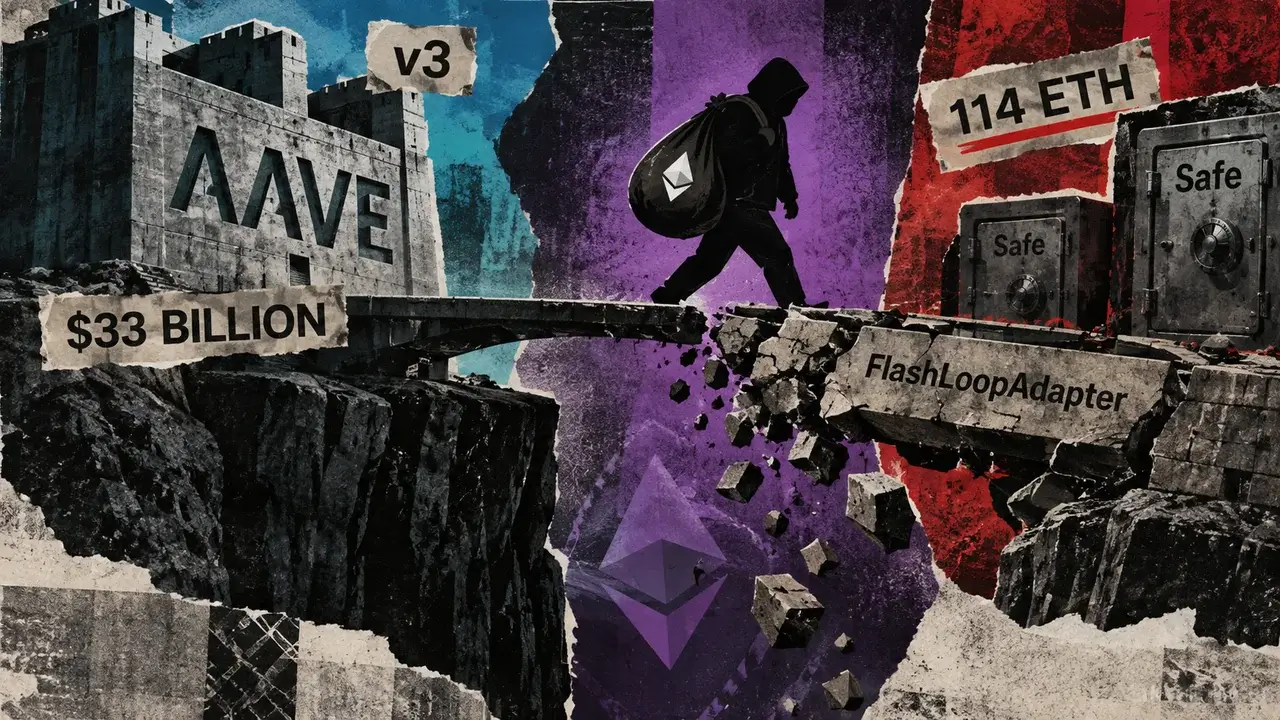
Crypto hackers exploit third-party Aave tool to steal 114 ETH
A third-party lending adapter built on Aave was exploited to steal about 114 ETH, worth over $300,000, while the protocol itself r...
The Next Generation of Banking: W Group Connects Web2 and Web3
W Group is pleased to share the next stage in the development of hashbank, a fully licensed universal digital bank that combines t...

Coinbase-Backed Crypto Group Reveals Midterm Endorsements After Clarity Act Collapse
The Coinbase-backed group's first Senate endorsements—Republicans Jon Husted and Ashley Hinson and Democrat Chris Pappas—come two...

Maryland cybersecurity consultant goes on trial for $55M crypto theft
The trial highlights the evolving legal landscape for DeFi security, emphasizing the potential for blockchain forensics in prosecu...