Malaysian Ministry Proposes Legalizing NFTs to Boost Participation in Crypto Sector
Malaysia’s communications ministry has proposed legalizing non-fungible tokens (NFTs) to increase the participation of young people in the cryptocurrency space. The crypto sector is under the purview of the central bank,...
Archive context
Older archive item. Useful for background and entity history, but not a fresh market-moving signal.
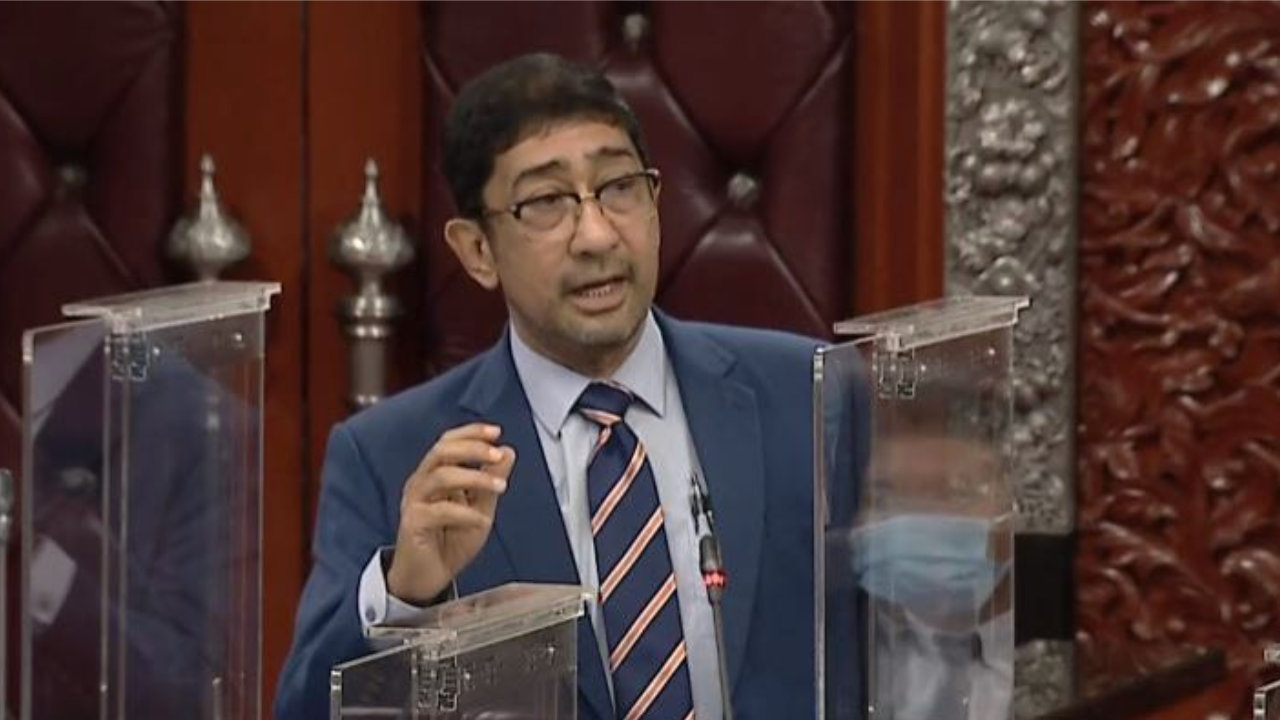
Malaysia’s communications ministry has proposed legalizing non-fungible tokens (NFTs) to increase the participation of young people in the cryptocurrency space. The crypto sector is under the purview of the central bank, Bank Negara Malaysia, and the Securities Commission.
Malaysian Ministry Wants NFTs Legalized
Malaysia’s Ministry of Communications and Multimedia has proposed legalizing non-fungible tokens (NFTs) “to help the younger generation who are actively involved in the space,” Malaysian national news agency, Bernama, reported Monday.
Deputy Communications and Multimedia Minister Datuk Zahidi Zainul Abidin was asked in Dewan Rakyat, the lower house of Malaysia’s parliament, about the government’s position on NFTs (non-fungible tokens) which have become increasingly popular, particularly among the younger generation.
Zahidi replied:
We hope the government will allow and legalize this so that we can increase the youth’s uptake of cryptocurrencies.
The deputy minister further revealed that the ministry is looking into ways to increase young people’s involvement in digital assets.
He noted that crypto activities are under the purview of the central bank, Bank Negara Malaysia, and the country’s Securities Commission.
Bernama originally stated that the deputy minister proposed to adopt crypto as legal tender. However, the publication soon removed the legal tender reference and changed its headline to say the deputy minister “proposes legalization of NFT, cryptomining activities.”
Earlier this month, Malaysia’s deputy finance minister said that cryptocurrencies, such as bitcoin and ethereum, are not suitable as a means of payment or a store of value. However, he noted that they still have many different uses, including as an asset class that can be invested in.
Meanwhile, Malaysia has been cracking down on illegal cryptocurrency mining activities. In December, the Malaysian police shut down a crypto mining operation and seized 1,720 bitcoin mining machines in an electricity theft crackdown. In July last year, the authority destroyed over 1,000 bitcoin mining machines with a steamroller.
What do you think about the Ministry of Communications’ proposal? Let us know in the comments section below.
Why this matters
This nft story adds another data point to the current market tape and is useful when read alongside nearby source coverage.
Original source
Read on Bitcoin NewsRelated market context
Bank of America and Goldman Sachs report increased Bitcoin ETF holdings in Q3
Institutional interest in Bitcoin ETFs suggests growing mainstream acceptance, but recent price declines highlight volatility risk...

PowerCompute boosts Bitcoin mining output by 36% in Q3 2026
PowerCompute's strategic energy management and debt reduction enhance profitability, but declining Bitcoin value poses revenue cha...
Hong Kong, Swift test tokenized deposits as banks chase stablecoin-style speed
Hong Kong and Swift expanded their efforts to connect tokenized bank deposits across currencies, building on earlier work involvin...

Bitcoin Mining Difficulty Falls 9.13%, Giving Active Miners Some Breathing Room
TL;DR Bitcoin difficulty fell to approximately 134.82 trillion at block 975,744 on November 14. The 9.13% reduction improves the e...
7 Major Banks Reveal XRP ETF Holdings in Latest SEC Filings
JPMorgan Chase, Bank of America, and Morgan Stanley were among seven banks reporting XRP-linked ETF holdings in their latest SEC f...

Chainlink executive says banks’ move into DeFi is only beginning
Banks' integration into DeFi signals a transformative shift in financial systems, emphasizing tokenization, efficiency, and intero...