NFT of Nelson Mandela’s Arrest Warrant Raises $130,000
A South African museum, Liliesleaf Museum Heritage Site, recently raised $130,000 via the auction of a non-fungible token (NFT) created from an arrest warrant issued against Nelson Mandela in 1962. Proceeds From NFT Sale...
Archive context
Older archive item. Useful for background and entity history, but not a fresh market-moving signal.
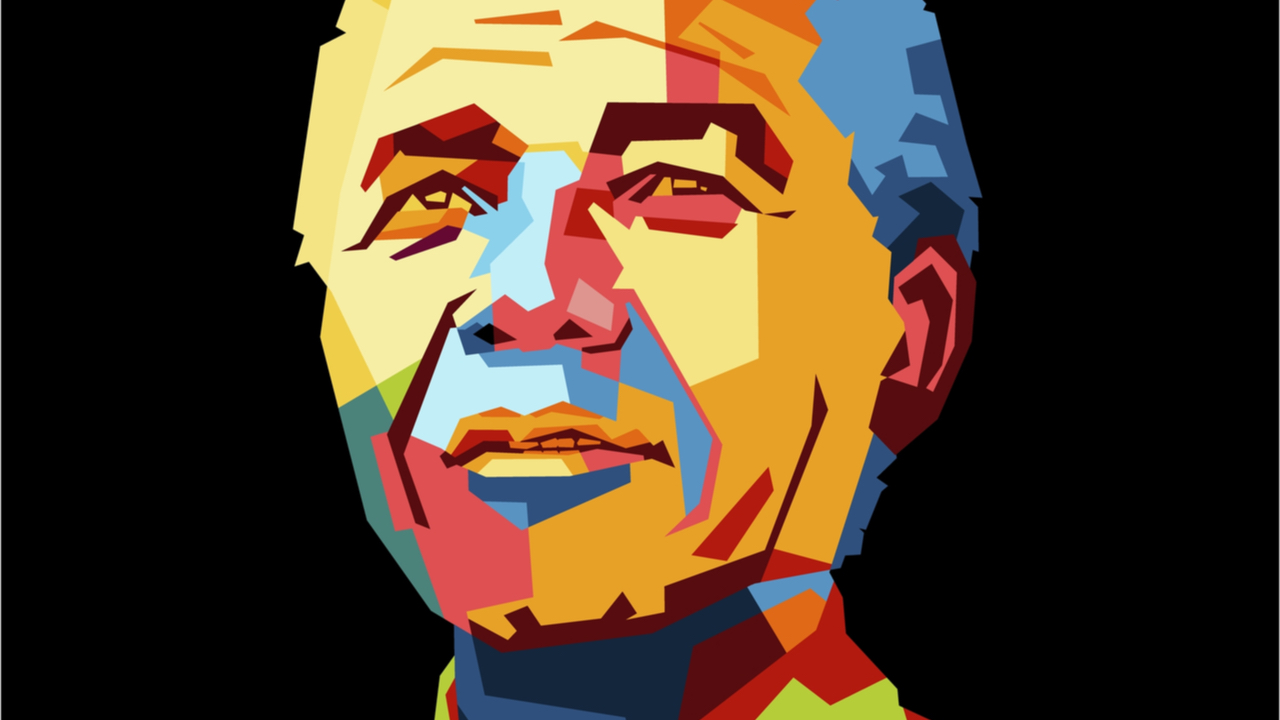
A South African museum, Liliesleaf Museum Heritage Site, recently raised $130,000 via the auction of a non-fungible token (NFT) created from an arrest warrant issued against Nelson Mandela in 1962.
Proceeds From NFT Sale to Fund Museum Activities
A non-fungible token (NFT) minted from the former South African President Nelson Mandela’s warrant of arrest was recently auctioned for $130,000 (1.9 million rands), a report has said. The proceeds are expected to help bankroll Liliesleaf Museum Heritage Site, an organization that documents South Africa’s fight for freedom and democracy.
According to a Bloomberg report, Liliesleaf Museum Heritage Site had initially received the original document in 2004 as a donation. The warrant itself was issued in 1962 by South Africa’s then minority rulers after they accused Mandela of conspiring to overthrow the government.
After holding the document for nearly 18 years, Liliesleaf Museum Heritage Site has again raised funds using an NFT which depicts an object once associated with South Africa’s freedom fighters. Before the latest auction, the heritage site had previously received about $50,000 after it auctioned an NFT of a pen gun that was owned by another South African freedom fighter, Oliver Tambo. In both instances, Momint — a South African NFT marketplace — handled the auctions.
Commenting on the latest NFT auction, the CEO of Momint, Ahren Posthumus, is quoted in the report explaining why museums are pivoting to NFTs. He said:
Museum sites stay afloat. They have been badly affected by the lack of tourism due to Covid. So this is a way to revitalize their flow and keep history alive.
In addition to museums, conservancies like the Black Rock Rhino have used proceeds from NFTs to pay for some of the sanctuary’s day-to-day expenses. The pivot to NFTs by charitable organizations comes after one study suggested that more South Africans are buying or are interested in buying NFTs.
What are your thoughts on this story? Tell us what you think in the comments section below.
Why this matters
This nft story adds another data point to the current market tape and is useful when read alongside nearby source coverage.
Original source
Read on Bitcoin NewsRelated market context
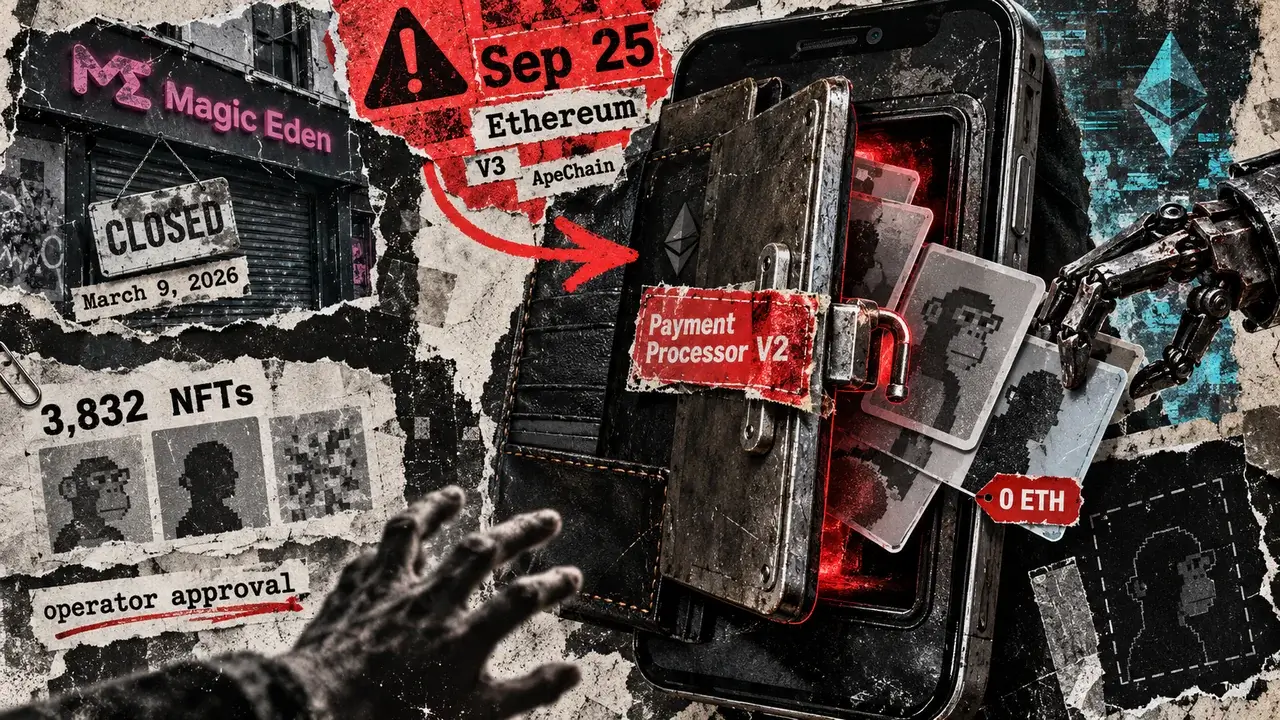
Old Magic Eden NFT approvals put users at risk after whitehat moves 3,832 NFTs
Old Magic Eden NFT approvals could still put some former users at risk months after the company closed its Ethereum marketplace. A...

Singapore Leads Central & Southeast Asia and Oceania’s Crypto Industry
Summary Beneath regional decline, key growth stories emerged: Central & Southeast Asia and Oceania’s crypto economy contracted 6.8...

Coinbase puts CT-USD trading pair into auction mode as Concrete token debuts
The auction mode strategy may stabilize initial trading volatility, potentially enhancing investor confidence in new token listing...

KakaoPay Securities pushes into tokenized equities to open South Korean stocks to global investors
KakaoPay's move could democratize access to Korean equities, fostering global investment and potentially reshaping international s...

South Korea Eyes Crypto Market Makers After JPYC Spikes to 4x Its Yen Peg on Upbit
Key Takeaways: The South Korea Financial Services Commission is considering introducing regulated crypto market making. The conver...

South Korean Regulator Considers Legalizing Crypto Market Making, Tighter Exchange Oversight
South Korea’s Financial Services Commission will review whether to allow crypto market making, a senior official said Monday, as h...