NFT trader faces prison for $13M tax fraud on CryptoPunk profits
A non-fungible token (NFT) trader could face up to six years in prison after pleading guilty to underreporting nearly $13 million in profits from trading CryptoPunks, according to the US Attorney’s Office for the Middle...
Archive context
Older archive item. Useful for background and entity history, but not a fresh market-moving signal.
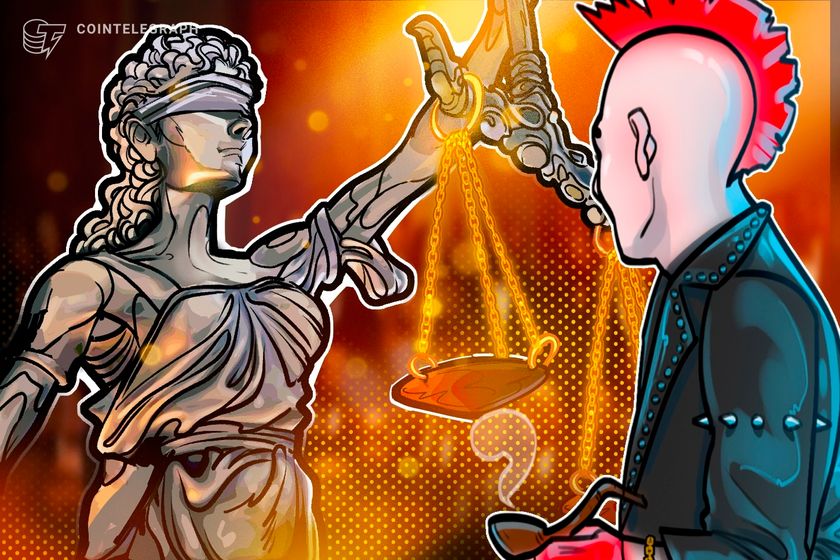
A non-fungible token (NFT) trader could face up to six years in prison after pleading guilty to underreporting nearly $13 million in profits from trading CryptoPunks, according to the US Attorney’s Office for the Middle District of Pennsylvania.
Waylon Wilcox, 45, admitted to filing false income tax returns for the 2021 and 2022 tax years. The former CryptoPunk investor pleaded guilty on April 9 to two counts of filing false individual income tax returns, federal prosecutors said in an April 11 press release.
Back in April 2022, Wilcox filed a false individual income tax return for the tax year 2021, which underreported his income tax by roughly $8.5 million and reduced his tax due by approximately $2.1 million.
In October 2023, Wilcox filed another false individual tax income return for the fiscal year of 2022, underreporting his income tax by an estimated $4.6 million and reducing his tax due by nearly $1.1 million.
Wilcox pleads guilty to false tax filing, press release. Source: Attorney’s Office for the Middle District of Pennsylvania
“The total maximum penalty under federal law for these offenses is up to six years of imprisonment, a term of supervised release following imprisonment, and a fine,” according to the statement. However, the exact details and timing of his sentence remain unclear.
Related: NFT trader sells CryptoPunk after a year for nearly $10M loss
The trader bought and sold 97 pieces of the CryptoPunk NFT collection, the industry’s largest NFT collection, with a $687 million market capitalization.
Source: CryptoPunks
In 2021, Wilcox sold 62 CryptoPunk NFTs for a gain of about $7.4 million but reported significantly less on his taxes. In 2022, he sold 35 more CryptoPunks for $4.9 million. The Department of Justice said Wilcox intentionally selected “no” when asked if he had engaged in digital asset transactions on both filings.
“IRS Criminal Investigation is committed to unraveling complex financial schemes involving virtual currencies and NFT transactions designed to conceal taxable income,” Philadelphia Field Office Special Agent in charge Yury Kruty said, adding:
“In today’s economic environment, it’s more important than ever that the American people feel confident that everyone is playing by the rules and paying the taxes they owe.”The case was investigated by the Internal Revenue Service (IRS) and the Criminal Investigation Department.
Related: CZ claps back against ‘baseless’ US plea deal allegations
Crypto tax rules gain tractionCrypto tax laws attracted interest worldwide in June 2024 after the IRS issued a new crypto regulation making US crypto transactions subject to third-party tax reporting requirements for the first time.
Since January, centralized crypto exchanges (CEXs) and other brokers have been required to report the sales and exchanges of digital assets, including cryptocurrencies.
On April 10, US President Donald Trump signed a joint congressional resolution to overturn a Biden administration-era legislation that would have required decentralized finance (DeFi) protocols to also report transactions to the IRS.
Set to take effect in 2027, the so-called IRS DeFi broker rule would have expanded the tax authority’s existing reporting requirements to include DeFi platforms, requiring them to disclose gross proceeds from crypto sales, including information regarding taxpayers involved in the transactions.
However, some crypto regulatory advisers believe that stablecoin and crypto banking legislation should be a priority above new tax legislation in the US.
A “tailored regulatory approach” for areas including securities laws and removing “obstacles in banking” is a priority for US lawmakers with “more upside” for the industry, Mattan Erder, general counsel at layer-3 decentralized blockchain network Orbs, told Cointelegraph.
Magazine: SEC’s U-turn on crypto leaves key questions unanswered
Why this matters
This nft story adds another data point to the current market tape and is useful when read alongside nearby source coverage.
Original source
Read on CointelegraphRelated market context
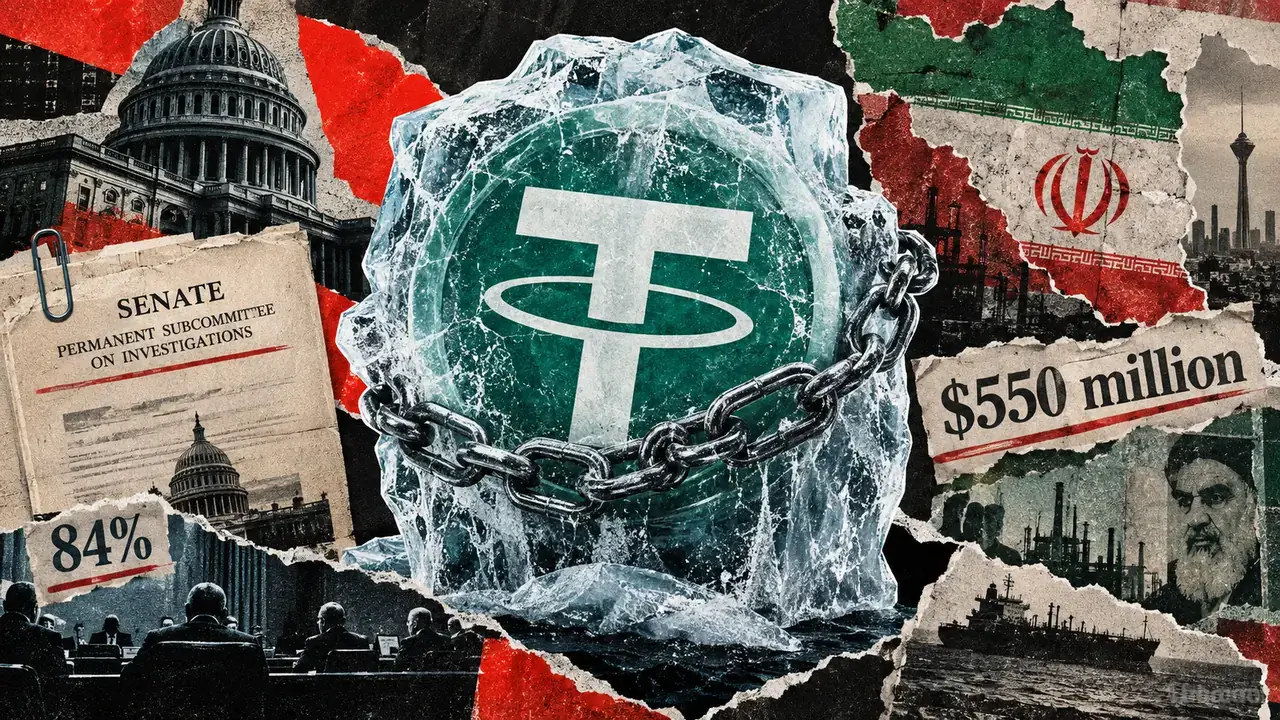
Tether claims $550 million in Iran freezes, but $35 million slipped past Senate
Tether says it helped freeze nearly $550 million in Iran-linked USDT during 2026, while Democratic investigators on a Senate subco...

Pokemon Crypto Case: Collector Faces Trial Over $55 Million Hack
U.S. indictment alleges two Uranium Finance crypto exploits moved through Tornado Cash before being used to buy Pokemon cards and...
SEC Sues Four Firms Over Alleged $15 Million Crypto Scams Run Through WhatsApp Chats
The Securities and Exchange Commission charged four entities on Tuesday over two alleged schemes that used WhatsApp group chats an...
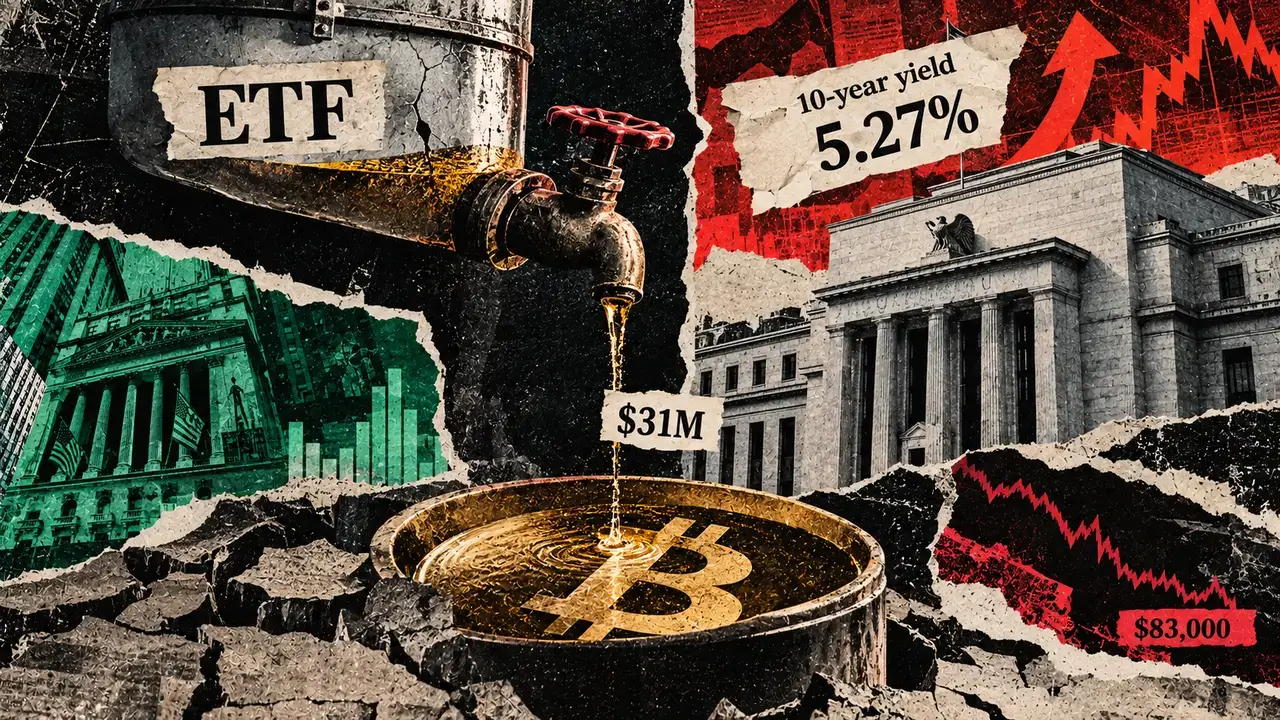
Bitcoin’s $84,000 wall gets harder to break as ETF inflows sink to $31 million
US Bitcoin exchange-traded funds drew just $31 million in inflows on Sept. 28 as institutional demand weakened while BTC stalled b...

Robinhood Readies 10x Crypto Perps for US Traders and Unveils AI Trading Agents in Its App
Robinhood plans to let eligible U.S. customers trade crypto perpetual futures in its app with up to 10x leverage, part of a batch...
SEC Sues Cryptoaiml and TSAI Over Alleged $15 Million AI Trading Scams
The U.S. Securities and Exchange Commission sued four Cryptoaiml and TSAI entities on Tuesday, alleging they took at least $15 mil...