NFTs: Will They Disrupt Traditional Art Markets?
Non-fungible tokens (NFTs) have recently made headlines, particularly in the art world. These digital assets are gaining popularity, with many artists and collectors using them to buy and sell art. But, what are NFTs, an...
Archive context
Older archive item. Useful for background and entity history, but not a fresh market-moving signal.

Non-fungible tokens (NFTs) have recently made headlines, particularly in the art world. These digital assets are gaining popularity, with many artists and collectors using them to buy and sell art. But, what are NFTs, and will they have an impact on traditional art markets?
What Are NFTs?
In a nutshell, NFTs are one-of-a-kind digital assets that are verified on a blockchain network. They are used to denote ownership of digital items like artwork, music, and videos. Each NFT is unique, with its own code that ensures its authenticity.
NFTs, unlike cryptocurrencies like Bitcoin, are not interchangeable. They are one-of-a-kind and cannot be exchanged for other NFTs or cash. This is what makes them so valuable to artists and collectors because they allow them to prove ownership and authenticity in the digital realm.
Will NFTs Have an Impact on Traditional Art Markets?
Yes, NFTs have the potential to disrupt traditional art markets, in a nutshell. Here's how it's done:
Improved Accessibility
One of the most significant benefits of NFTs is that they make it easier for artists to sell their work and for collectors to purchase it. Artists can sell their work directly to buyers using NFTs, eliminating the need for intermediaries, such as galleries or auction houses.
This means that artists will receive a larger portion of the profits from their sales, while buyers will be able to purchase art at a lower price.
Market Growth
NFTs may also help to expand the art market by making it more accessible to a broader range of buyers. Traditional art markets only allow a small percentage of the population to afford high-end art. NFTs, on the other hand, allow anyone with an internet connection to purchase digital art, opening up the market to a much larger audience.
Greater Transparency
NFTs provide a level of transparency that traditional art markets do not. Each NFT is verified on a blockchain network, making its ownership and authenticity easily traceable. This makes it much more difficult for forgeries or copies to be sold as genuine works, a common issue in the traditional art market.
New Revenue Sources
NFTs also provide artists and collectors with new revenue streams. An artist, for example, can sell an original work of art as an NFT and then sell prints or other merchandise based on that work.
Collectors can also make money by reselling NFTs they have purchased, in the same way, that traditional art collectors can resell pieces in their collections.
NFT Challenges in the Art Market
While NFTs have the potential to disrupt traditional art markets, several obstacles must be overcome:
Regulation Is Lacking
The lack of regulation is one of the most significant challenges confronting NFTs in the art market. While blockchain networks provide some transparency, no regulations are currently in place to protect buyers or sellers in the event of fraud or other issues.
This makes it difficult for buyers and sellers to determine who to trust and how to safeguard their investments.
Concerns about the Environment
Another issue that NFTs face is the environmental impact of blockchain networks. The process of creating and verifying NFTs consumes a significant amount of energy, raising concerns about the technology's carbon footprint.
This is especially problematic for artists and collectors who are concerned about sustainability and the environmental impact of their actions.
Physical Illness
Finally, because NFTs lack the physicality of traditional art, some collectors may be hesitant to invest in them. While NFTs provide authenticity and provenance, they lack the monetary value of physical art.
Some collectors who value the tactile experience of owning and displaying physical works of art may find them less appealing as a result.
NFT Art: Is It Really Art?
Art is a form of expression that has been around for centuries and shows no signs of slowing down. It is a way for people to express themselves and reflect on things through the use of color, texture, and shapes. As such, the debate about whether NFTs can be considered art seems to be something only those who wish to define the boundaries of art wish to have.
However, the art market is a totally different thing. It's a huge industry with billions in annual revenue, but it's also an industry that has been slow to adapt to new technologies and changes in consumer behavior.
That is starting to change as more and more collectors are turning to non-fungible tokens (NFTs) in the hopes of finding unique, high-quality pieces of art at prices they can afford.
The thing is, while some may argue that NFTs are the medium in which art can be created, NFTs rely on an ecosystem that seems not to be built for art.
NFTs are designed to be traded, sold, exchanged and acquired. They are a commodity-based system that relies on the idea of scarcity and rarity. This is a very different model than the one used by traditional art markets, which focuses on subjective value rather than objective value.
One shouldn’t forget that art too is constantly changing and evolving, breaking barriers, and pushing limits, so naturally, it won’t be bound by centralized means and institutions.
And, while NFTs and Web3 ecosystems, still in their nascent stage, present artists with ample opportunities to explore and go beyond the very limits of their art.
Conclusion
NFTs have the potential to disrupt traditional art markets by providing artists and collectors with increased accessibility, expanded markets, increased transparency, and new revenue streams. However, there are some obstacles to overcome, such as a lack of regulation, environmental concerns, and a lack of physicality when compared to traditional art.
Finally, it remains to be seen how NFTs will affect the art market over time. Some experts predict that in the digital age, NFTs will become a standard method of buying and selling art, while others believe they will remain a niche market for collectors and enthusiasts.
Only time will tell, but one thing is for certain: NFTs are here to stay, and they are altering our perceptions of art ownership and authenticity in the digital realm.
This article was written by Finance Magnates Staff at www.financemagnates.com.Why this matters
This nft story adds another data point to the current market tape and is useful when read alongside nearby source coverage.
Original source
Read on Finance MagnatesRelated market context

Chainlink Price Analysis: LINK Holds Bullish Structure as Buyers Target Higher Levels
Investors will be on the lookout for the coin to hold the $13-$14 region and resume the bullish move. Recent traders’ technical se...

Travala’s Crypto Loyalty Program Passes 170,000 Members, Sets Long-Term Goal of 30% of AVA Supply Locked
Singapore, Singapore, October 1st, 2026, Chainwire With around 16% of AVA’s circulating supply already locked, the AVA Smart Progr...
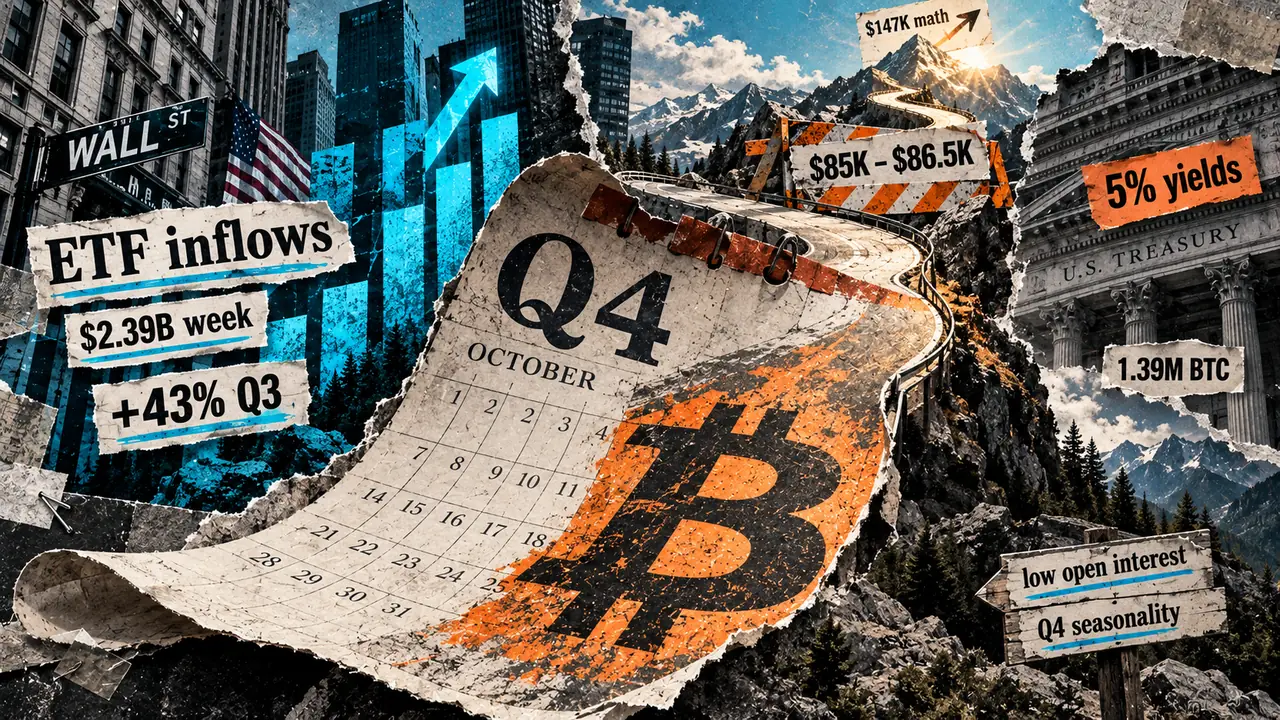
Bitcoin enters its best season after a 43% surge, with $147,000 suddenly on the math
Bitcoin is closing its strongest quarter since 2024 after leaving US stocks and gold far behind despite surging bond yields. The l...
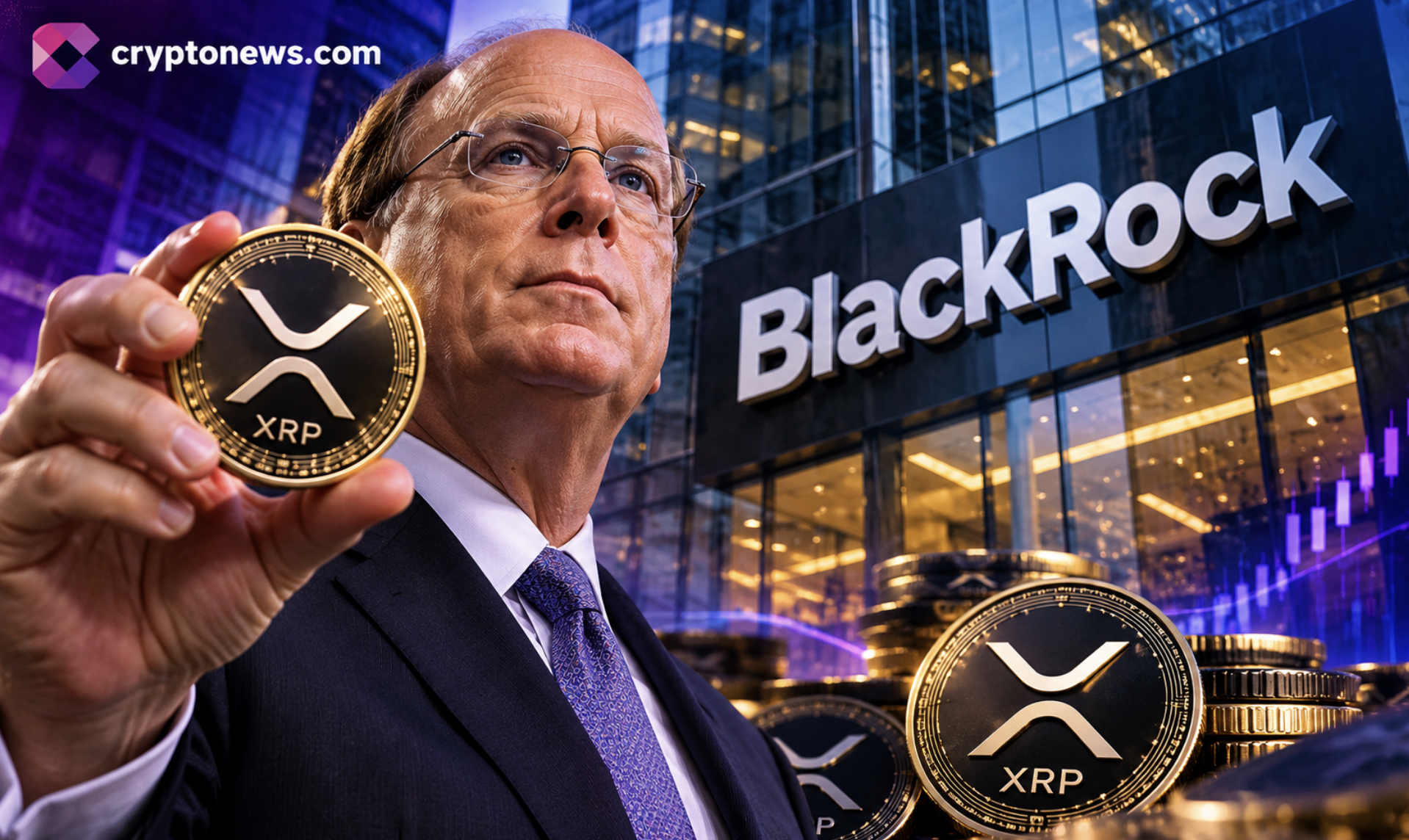
XRP Price Battling Resistances as BlackRock Rumors Pop
XRP price is trading near $1.51 after falling about 5% in a week, while BlackRock rumors of a spot XRP ETF resurface. The immediat...
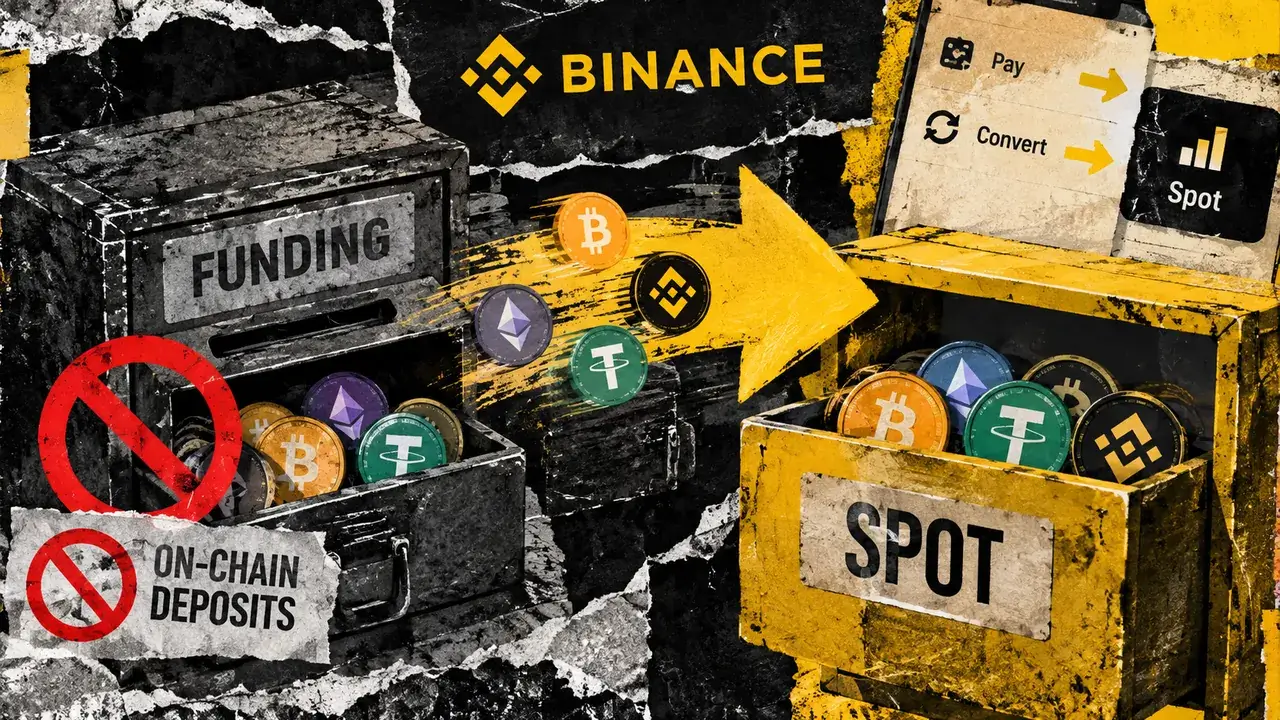
Binance ends Funding Account crypto deposits as Pay and Convert move to Spot
From Sept. 29, Binance says Funding Accounts no longer accept direct on-chain crypto deposits. Users depositing crypto must use Sp...
ESMA and National Regulators Scrutinize Binance’s Reliance on ‘Reverse Solicitation’ Exemption in the EU, FT Reports
The European Securities and Markets Authority (ESMA) and national regulators in France, Germany and Greece are questioning Binance...