Ordinals Project Launches Enabling NFTs Directly On Bitcoin
The controversial project has been met with equal parts excitement and criticism in regards to its impacts on Bitcoin.A project called Ordinals has launched on the Bitcoin blockchain, effectively enabling Bitcoin-native...
Archive context
Older archive item. Useful for background and entity history, but not a fresh market-moving signal.
The controversial project has been met with equal parts excitement and criticism in regards to its impacts on Bitcoin.
A project called Ordinals has launched on the Bitcoin blockchain, effectively enabling Bitcoin-native on-chain NFTs.
Led by former Bitcoin Core contributor Casey Rodarmor, the protocol is a convention for numbering and transferring individual satoshis on the Bitcoin network.
Ord, a specific implementation of Ordinals, “is a wallet and explorer that allows tracking the location of specific satoshis and their ordinal numbers - assigned by the Ordinals protocol - as well viewing, creating, and transferring inscriptions, that is, individual satoshis inscribed with arbitrary content,” the press release sent to Bitcoin Magazine states.
The introduction of Ord and inscriptions brings NFTs to Bitcoin, allowing content, such as images, videos and HTML to be included in a Bitcoin transaction and assigned to an individual satoshi.
“Inscriptions, using the ordinals protocol, are fully on-chain, and do not require a sidechain or separate token,” the release reads. “Inscriptions inherit the simplicity, immutability, security, and durability of Bitcoin itself.”
Since its release, the project has attracted a great amount of debate in regards to the impact of ordinals and inscriptions on Bitcoin. Supporters of Ordinals, like Dan Held, describe it as a net benefit for Bitcoin, saying, “It brings more financial use cases to Bitcoin, and drives more demand for block space (aka fees).”
Meanwhile, critics of Ordinals like Blockstream CEO and long-time Bitcoiner Adam Back explained that “Bitcoin is designed to be censor resistant. This doesn't stop us mildly commenting on the sheer waste and stupidity of an encoding. At least do something efficient.”
Ongoing debate seems to stem from discussions in regards to the potential usage of block space and increase in bandwidth necessary to run nodes as a result of inscriptions. Regardless of the debate, “the Ordinals project continues unphased,” reads the press release, “with contributors continuing to add new features, such as provenance, collections, composability and a decentralized marketplace.”
Ordinals and inscriptions could prove to be an interesting catalyst for Bitcoiners to re-examine the social dynamics that shape Bitcoin development. While the positive or negative impacts of ordinals specifically may be up for debate, renewed interest in how projects and technical implementations are built on Bitcoin is a healthy sign for the network.
Why this matters
This nft story adds another data point to the current market tape and is useful when read alongside nearby source coverage.
Original source
Read on Bitcoin MagazineRelated market context
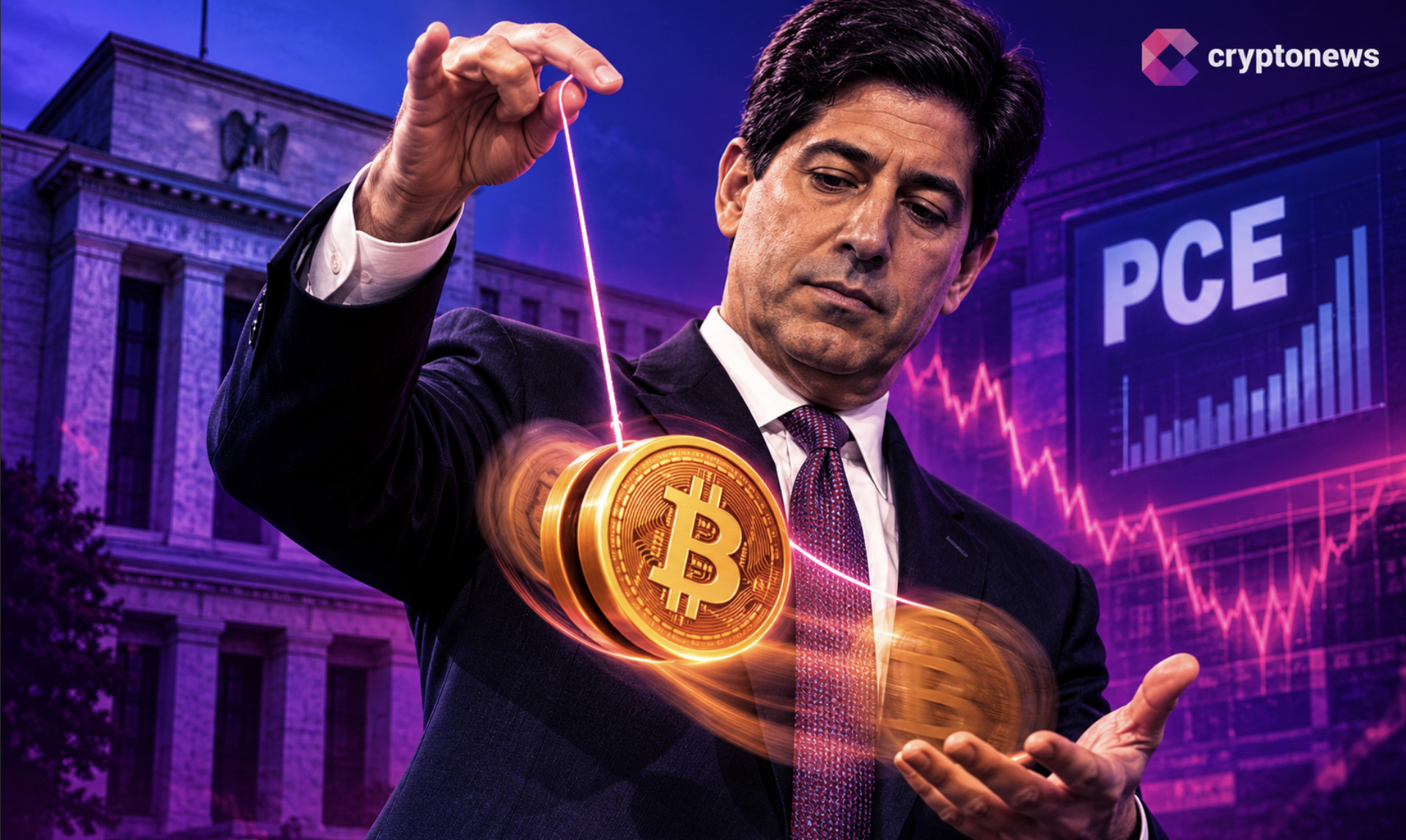
Bitcoin Price Tests $83,000 Ahead of Key PCE Inflation Release
Bitcoin price is trading at $83,000 ahead of the August core PCE release, just 0.71% above its $82,700 24-hour low, leaving a narr...

Binance Research projects tokenized equities could hit $349 billion by 2030
The projected growth of tokenized equities could significantly transform financial markets, emphasizing the importance of asset ut...
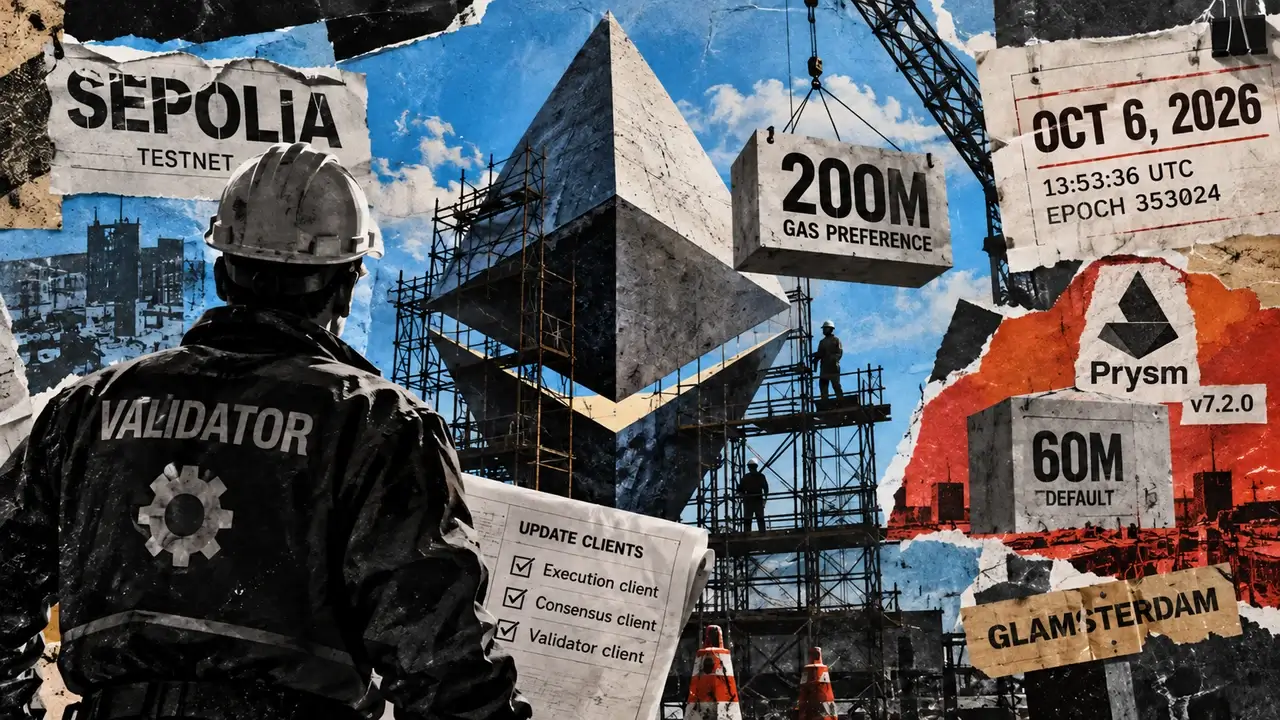
Ethereum is preparing a 200 million gas push as its Layer 1 scaling strategy accelerates
Ethereum validators face a configuration choice next week that could determine how aggressively the network tests its next major s...
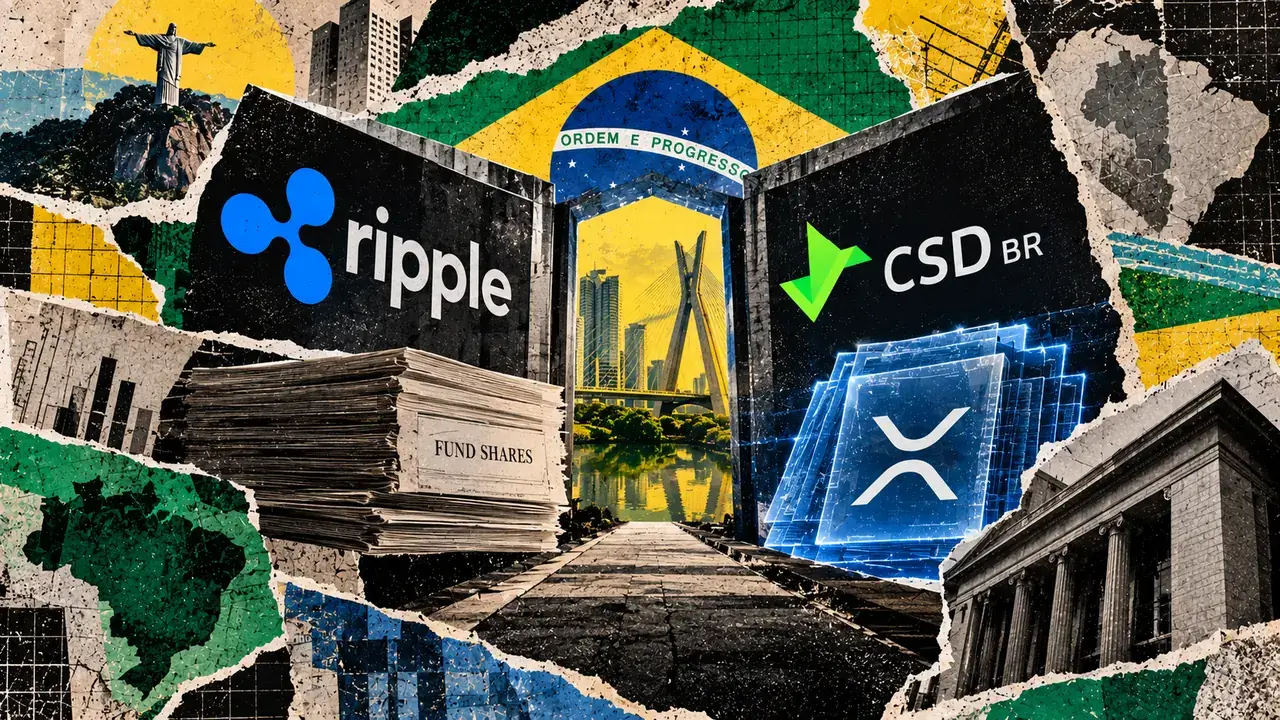
Ripple quietly made Brazil the center of its XRPL tokenization push
Ripple's Brazilian foothold spans cross-border payments and securities records in a country Chainalysis ranked first for grassroot...
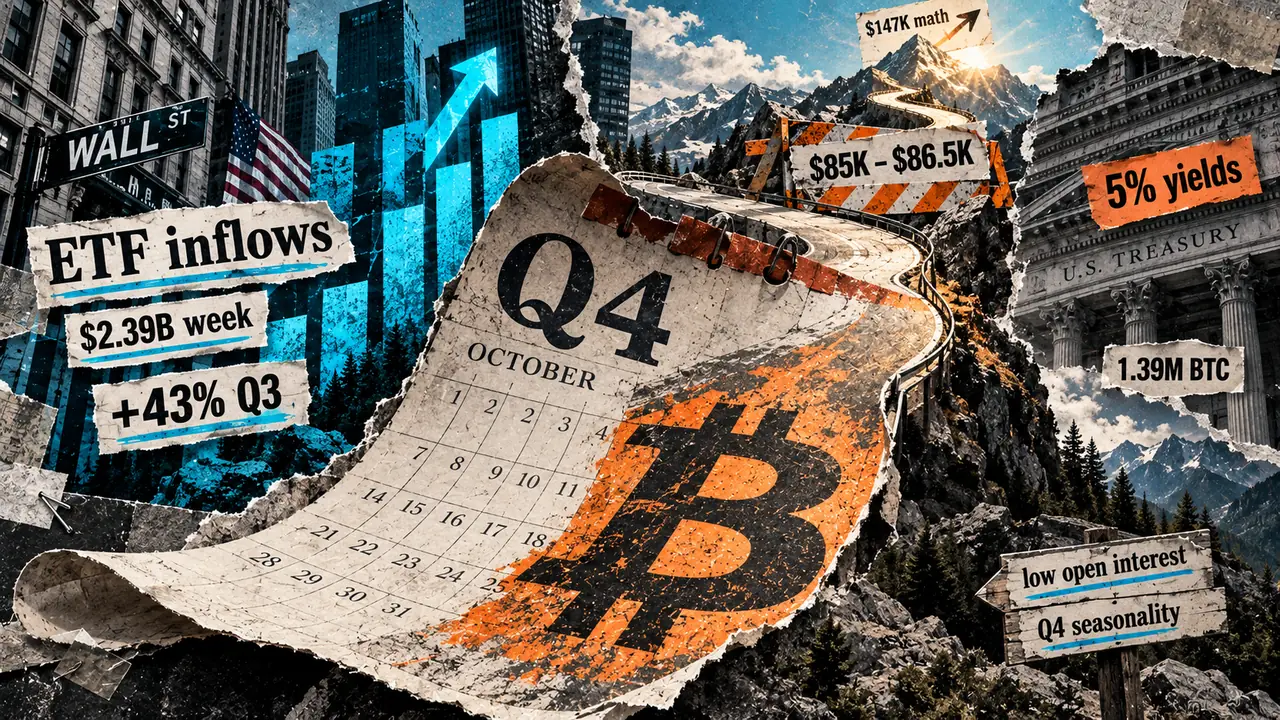
Bitcoin enters its best season after a 43% surge, with $147,000 suddenly on the math
Bitcoin is closing its strongest quarter since 2024 after leaving US stocks and gold far behind despite surging bond yields. The l...

The SEC’s Buyback Guidance Is Narrower Than It Looks. Does Yours Pass the Test?
Crypto projects that buy back their own tokens have operated under a dour legal cloud within the US for nearly a decade. A buyback...