Web 3 ‘Being Held Together by Duct Tape’: NFT Artist Pplpleasr
Emily Yang, the 3d artist better known as pplpleasr, told Decrypt that Web 3 technology is not nearly as secure as enthusiasts might think. Web 3 is what many believe to be the next phase of the Internet that is still be...
Archive context
Older archive item. Useful for background and entity history, but not a fresh market-moving signal.

Emily Yang, the 3d artist better known as pplpleasr, told Decrypt that Web 3 technology is not nearly as secure as enthusiasts might think.
Web 3 is what many believe to be the next phase of the Internet that is still being built. Contrary to Web 2, the Internet as we know it today, the Web 3 Internet aims to be defined by decentralization. An innovation that results in platforms free from the control of single entities—but crucially—that can still be trusted by users.
“Web 3.0 is being held together by duct tape right now, things are breaking all the time,” pplpleasr told Decrypt during the conference in London last week.
“There’s so many technological hurdles that we need to jump through before we even get to a place that is truly decentralized,” she added.
pplpleasr’s comments come amidst a resurgence of NFTs, the digital artwork that has made her into a household name in the crypto industry.
After topping $2 billion in sales for the first half of 2021, NFTs awoke from the doldrums of a summer lull when big brands like Visa and Budweiser waded into the market. Nevertheless, like traditional art, the digital art industry where pplpleasr spends her time is—in her words—fundamentally subjective.
“This goes back to why community is important. It’s just a group of people witnessing and agreeing upon certain concepts,” she said.
NFT Sales Volumes Hit $2.5 Billion For First Half of 2021So, if value in the NFT world is in the eye of the beholder, how can anyone really know whether NFTs are going to become mainstream, or even stay relevant within the niche crypto industry in the years to come?
NFTs, Web 3.0, and the futureDespite the millions being spent on NFTs, however, the technology which underpins those digital works of art is not yet up to scratch.
“Nothing feels immersive,” pplpleasr said, adding that platforms like Decentraland run “really slowly” on her computer and that Metamask is “not a great product.”
If and when Web 3 technology finds its place, pplpleasr believes NFTs will present far more use cases than just digital art.
“The NFT made this initial explosion with art, and I shouldn’t say this because I’m a visual artist, but for me, NFTs could be so much more than that,” she added, speculating about the future for literature and music taking hold in the NFT subculture.
What’s more, pplpleasr believes people would even like to store their assets as NFTs—even their property. “This concept of flexing is something that’s been known ever since humans have existed probably,” pplpleasr said.
What about bad actors?The traditional art world has long wrestled—mostly unsuccessfully—with keeping the industry clean and free from bad actors looking to launder money. NFTs could, in theory, make things worse by translating those financial crime risks from the real world to the digital world—but not according to pplpleasr.
“At least a step forward is that the blockchain is way more transparent,” pplpleasr said.
Art Has a Money Laundering Problem. NFTs Could Make It WorseThe public nature of blockchains is a common argument in favor of the integrity of trading that runs on the technology, but not everybody is convinced. The London Metropolitan Police (MET) previously told Decrypt that it is “very much aware” of the risks that come with NFTs, including money laundering.
“We know that the anonymity of blockchains allows ultimate beneficial owners to conceal their identity,” one member of the MET Police’s Art and Antiques Unit told Decrypt.
“It is also possible that the exchange of NFTs between users could constitute money laundering in the form of layering or integration,” the spokesperson added.
Nevertheless, pplpleasr is not convinced the problem is that big. “I don’t see us having drug rings that are just generated from crypto,” she added.
Editor's note: This article has been updated with Pplpleasr's correct name. Decrypt regrets the initial error.Why this matters
This nft story adds another data point to the current market tape and is useful when read alongside nearby source coverage.
Original source
Read on DecryptRelated market context
Morgan Stanley Has ‘Digital Asset Lab’ To Test Crypto Products: Report
Bitcoin Magazine Morgan Stanley Has ‘Digital Asset Lab’ To Test Crypto Products: Report Wall Street giant Morgan Stanley has launc...
Quantum Security Startup Project Eleven Acquires Riva Labs, Adding Post-Quantum Wallet Tech
Project Eleven, a startup preparing crypto networks for the arrival of powerful quantum computers, has acquired Riva Labs, a crypt...

PrimeXBT Adds 15 New Crypto Futures, Taking the Total to Over 170
Castries, Saint Lucia, September 29th, 2026, Chainwire PrimeXBT, a global multi-asset broker and crypto assets service provider, h...
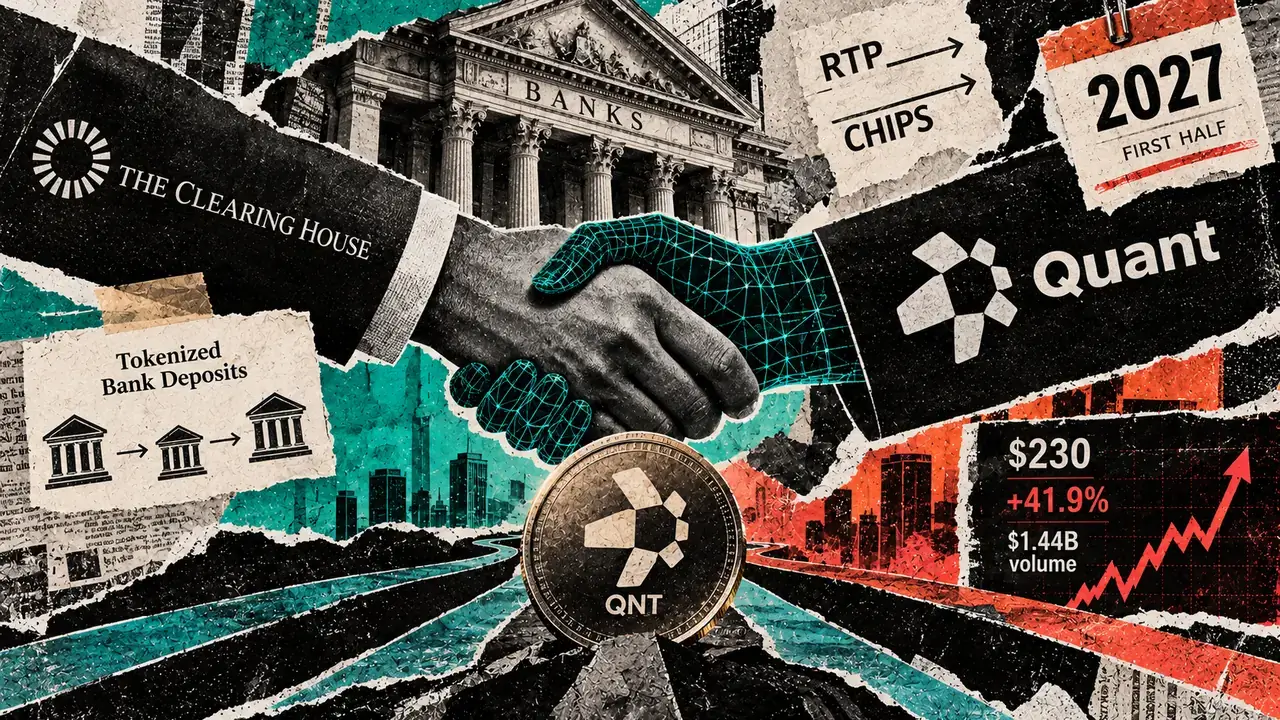
US bank group taps Quant for tokenized deposits, but QNT’s role is left in doubt
Bank-owned US payments operator The Clearing House has chosen Quant to supply software for a planned network for tokenized bank de...
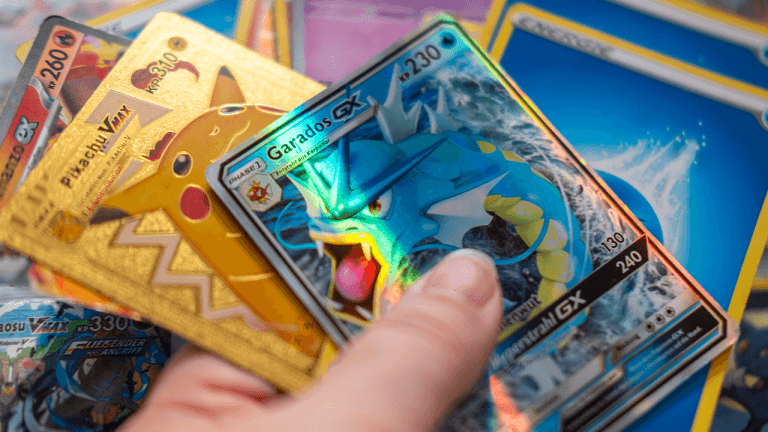
Coinbase Plans Digital Pokémon Pulls With Real Cards Behind Them
Coinbase wants customers to open Pokémon packs on their phones and collect real cards they may never touch. Its Sept. 28 teaser pr...

Binance’s CZ discusses industry growth and lists HYPE token for spot trading
Binance's listing of HYPE token highlights the growing integration of decentralized exchanges, signaling a maturing crypto industr...