A Politicized Fed Meets a Crypto-Hungry Market
For years, the playbook has been straightforward: lower rates mean cheaper money, bonds and savings accounts look boring, and risk-on assets like Bitcoin and Ethereum thrive. That’s how BTC ripped to new highs in 2021–20...
Archive context
Older archive item. Useful for background and entity history, but not a fresh market-moving signal.

For years, the playbook has been straightforward: lower rates mean cheaper money, bonds and savings accounts look boring, and risk-on assets like Bitcoin and Ethereum thrive. That’s how BTC ripped to new highs in 2021–2022 when the Fed kept money dirt cheap. Now, though, rate cuts come with a side of political theater.
Trump vs. the FedThe drama kicked off when the Trump White House tried to oust Fed Governor Lisa Cook — a Biden-era appointee — by accusing her of mortgage fraud. Cook called the charges baseless and political, saying the move was “unprecedented and illegal.” On Monday, a Washington appeals court blocked the attempt, meaning she keeps her seat for now.
At the same time, the Senate confirmed Stephen Miran, a Trump-aligned economist and former White House adviser, to the Fed’s board of governors. Miran has dropped occasional pro-crypto comments, but his presence raises red flags about the Fed’s neutrality. Democrats fear he’ll act more like a political operative than a central banker, and he’s already declined to commit to leaving his White House role after his Fed term ends in 2026.
The optics are clear: Trump wants to bend the Fed toward his policy goals, which almost certainly means easier money, faster rate cuts, and a Fed less insulated from political winds.
What That Means for CryptoA politicized Fed is uncharted territory. In theory, a politically dependent Fed might go ultra-dovish — cutting rates faster, pumping liquidity, and juicing markets. But it could also make monetary policy volatile, yanked back and forth by election cycles and public opinion.
Crypto thrives on liquidity and chaos, but it also hates uncertainty about the rules of the game. Banks act as gatekeepers for exchanges and stablecoin issuers, and if the Fed’s independence erodes, crypto’s access to banking could become a bargaining chip. That’s not bullish.
The straight-line higher price action we have seen in Gold and Bitcoin shows these asset classes pricing-in what’s coming. Gold and Bitcoin know lower rates into an already HOT backdrop will only push assets higher.
It’s a great time to own long-term assets, source: X
Markets Are Already Leaning InStill, traders are licking their lips. Kevin Rusher of RAAC says a resumed cutting cycle could unlock trillions parked in money market funds and mortgage debt, with some of that liquidity finding its way into DeFi and real-world asset platforms.
ETH and SOL, which behave like growth tech stocks, are hypersensitive to liquidity. When money’s cheap, capital floods into narratives like ETH as “digital oil” and SOL’s adoption story. DeFi tokens also get more attractive when interest rates drop, since investors start hunting for yield outside traditional finance.
Bitcoin? It’s the steady hand. Less twitchy around rates but always primed for big moves when liquidity shocks the system.
Bitcoin is back above $116, source: BNC
Gold, Bitcoin, and the Party AheadHistory backs it up: as the Kobeissi Letter pointed out, when the Fed cuts rates within 2% of all-time highs, the S&P 500 ends higher a year later — every single time. Short-term volatility is inevitable, but long-term asset holders know the game.
Gold and Bitcoin have already started moving higher, sniffing out what’s coming. If rates fall into an overheated backdrop, hard assets are the winners. The logic is simple: lower yields, weaker dollar, harder money rallies.
The Big PictureThe U.S. is about to enter untested waters — a Federal Reserve that’s no longer a boring technocratic body but a political battleground. For crypto, that’s both fuel and fire. Liquidity tailwinds will likely drive prices up, but a less independent Fed means policy could swing violently depending on who’s in power.
For now, traders don’t care. Lower rates mean risk-on. The long-term question isn’t whether Bitcoin goes up tomorrow — it’s whether a politicized Fed breaks the rules of the game entirely.
Why this matters
This research story adds another data point to the current market tape and is useful when read alongside nearby source coverage.
Original source
Read on Brave New CoinRelated market context
Darius Dale: Will Global Liquidity Send Bitcoin Higher in 2027?
Bitcoin Magazine Darius Dale: Will Global Liquidity Send Bitcoin Higher in 2027? Are we headed for a period of chop before a bigge...
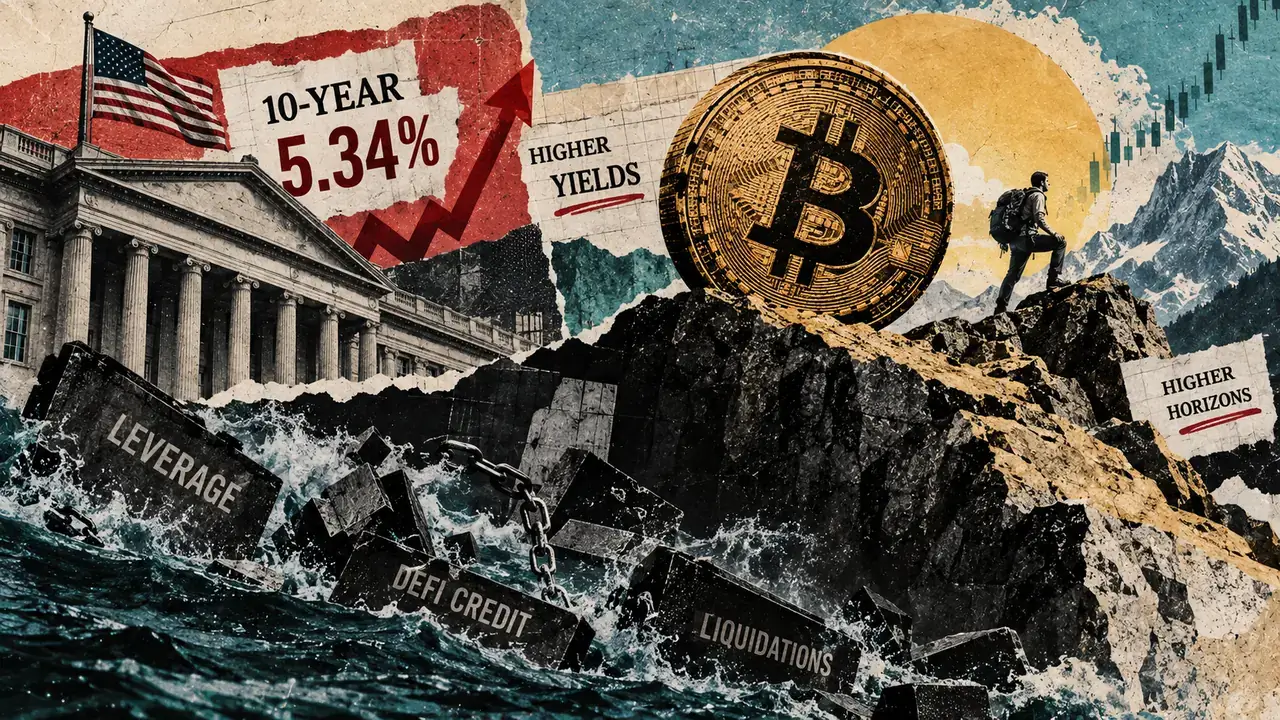
Bitcoin survived 5% yields but crypto’s cheap-money era did not
The US 10-year Treasury yield touched 5.34% on Oct. 1, its highest since 2002, capping a third quarter in which it climbed almost...

QNT Reaches Solana Liquidity Through Sunrise And Raydium
TL;DR Quant’s QNT token is now available on Solana through Sunrise infrastructure, with trading available through Raydium. The exp...
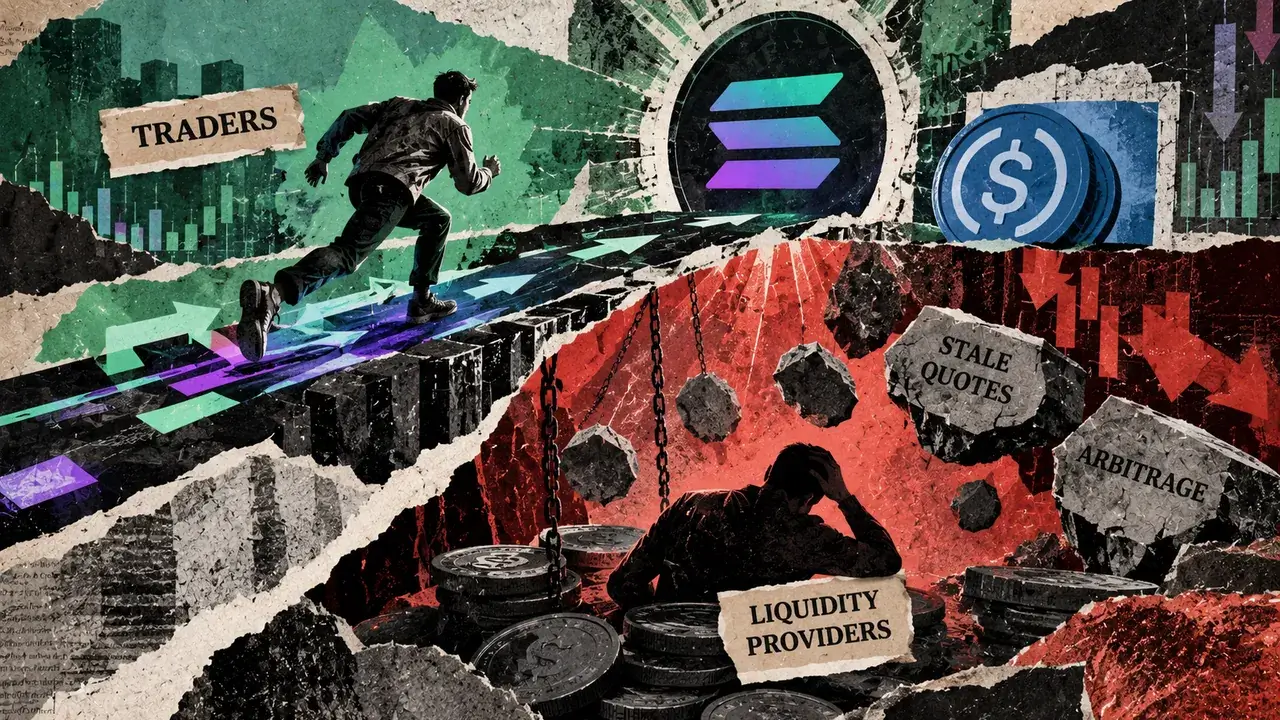
PropAMMs lower Solana trade costs, and public pool returns crash
A trader can get a better Solana (SOL) swap price while a passive pool depositor remains exposed to traders picking off stale quot...
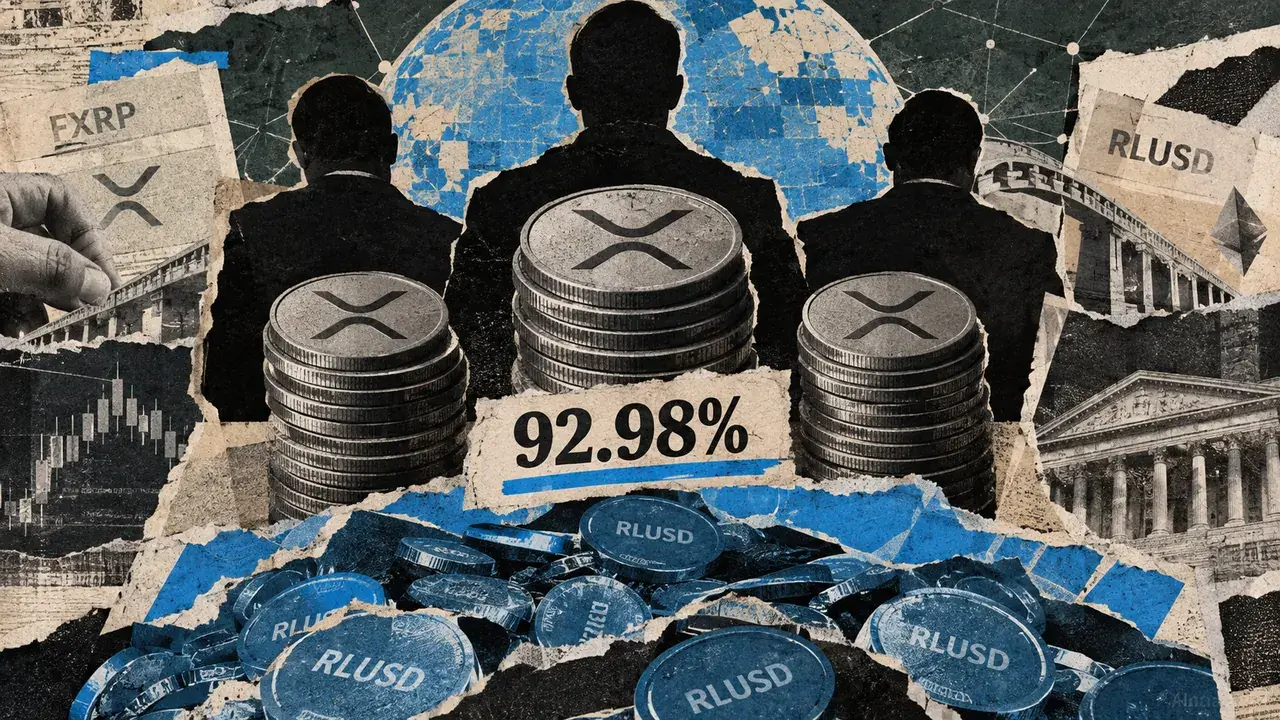
XRP is becoming collateral for real loans and the first market is already dominated by whales
XRP is beginning to support live dollar borrowing on Ethereum, though the market remains heavily concentrated among a handful of b...
Frank Holmes: They Will Print $100 Trillion – Why to Buy Bitcoin & Gold
Bitcoin Magazine Frank Holmes: They Will Print $100 Trillion – Why to Buy Bitcoin & Gold Bitcoin miners already have the power, th...