Argentina Signs Automatic Tax Data Sharing Agreement With the United States
The government of Argentina has signed a data sharing agreement with the U.S. to enhance the cooperation of the countries in the tax arena. The agreement, which was signed by Sergio Massa, minister of economy of Argentin...
Archive context
Older archive item. Useful for background and entity history, but not a fresh market-moving signal.
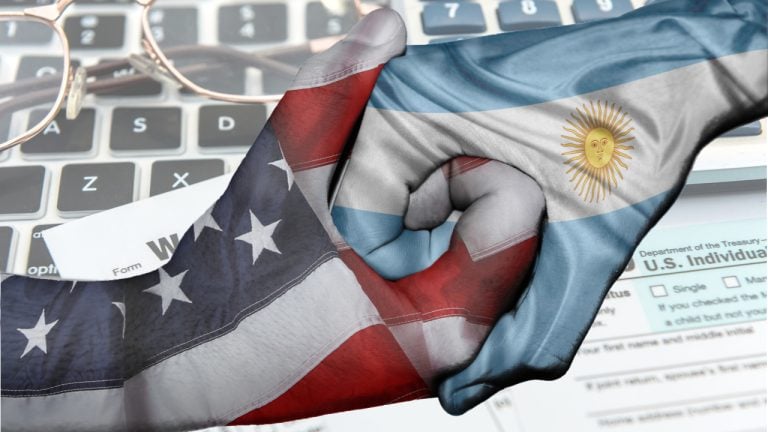
The government of Argentina has signed a data sharing agreement with the U.S. to enhance the cooperation of the countries in the tax arena. The agreement, which was signed by Sergio Massa, minister of economy of Argentina, and U.S. ambassador Marc Stanley, will allow the Argentine national tax authority to receive information from accounts and trust beneficiaries of Argentines in the U.S.
Argentina to Tighten Tax Controls With Data Sharing AgreementThe government of Argentina has signed an automatic tax data sharing agreement with the U.S. that will allow the national tax authority to receive data from accounts and societies managed by Argentine nationals offshore. The agreement, signed on Dec. 5 by the minister of economy, Sergio Massa, and the United States ambassador to Argentina, Marc Stanley, implies a substantial increase in the volume of data that will be shared between the Argentine tax authority (AFIP) and the Internal Revenue Service (IRS).
While the two countries had already signed a similar agreement in 2017 as part of the Foreign Account Tax Compliance Act (FATCA), it had a different operational approach, and information sharing was managed on a case-by-case basis. Massa stated that due to these limits, they managed to receive information from only 68 citizens this year.
The tax regulators from both countries will have to convene systems to share this data, which will include joint databases as part of the protocol to follow.
About the new system, Massa stated:
It’s a massive deal. It will include information on Argentine citizens who have signed their declaration of foreigners at the time of depositing their money in an account in the US and who have done so per se as individuals, and as part of companies or trusts.
Furthermore, Massa clarified that earnings products of trusts or societies will also be reported as part of this agreement.
Complementary LegislationMassa aims to complement the agreement, which goes into force on Jan. 1, with new regulations to allow citizens to move their assets and funds legally to other countries, but that also punish money laundering and capital flight.
On the objective of this new law, Massa explained:
We want to break the idea of this being seen as a witch hunt … the AFIP is going to look for those who did not pay, to reduce the burden on those who pay taxes every day.
A bill proposed in April in the Argentine senate also called for taxation of undeclared goods that Argentine citizens held offshore, to pay part of the debt the country has with the International Monetary Fund. That same month, the head of the AFIP, Mercedes Marco del Pont, called for the creation of a global system to register the holdings of electronic money and cryptocurrency. The supposed objective being to prevent tax evasion.
What do you think about the tax data sharing agreement signed between Argentina and the U.S.? Tell us in the comments section below.
Why this matters
This research story adds another data point to the current market tape and is useful when read alongside nearby source coverage.
Original source
Read on Bitcoin NewsRelated market context

Grayscale partners with Republic to expand access to DeFi, AI and data network products
This partnership could democratize access to niche crypto sectors, potentially reshaping investment landscapes and broadening mark...

Bitcoin Briefly Slides Below $80,000 On More Hot Inflation Data
Bitcoin Magazine Bitcoin Briefly Slides Below $80,000 On More Hot Inflation Data Bitcoin’s price momentarily dipped below $80,000...

Circle Says 59 Cents of Each Revenue Dollar Went to USDC Partners and Transaction Costs
Circle said it paid about $819 million of its roughly $1.4 billion in first-half 2026 revenue to USDC distribution partners and tr...

USDC’s EU Reserves and Capital Shift to EBA Supervision in MiCA’s First ‘Significant’ Call
Circle’s European USDC issuer will answer to the European Banking Authority (EBA) on reserves, liquidity and capital from Nov. 12,...

Coinbase and Marqeta expand partnership to launch stablecoin-backed cards for enterprises
The partnership could accelerate stablecoin adoption in enterprise payments, enhancing transaction efficiency but facing regulator...

Coinbase, Marqeta expand partnership for stablecoin-backed enterprise cards
The partnership could accelerate blockchain integration in finance, potentially boosting Ethereum's role and price in the crypto e...