Banks Could Face Fines for ‘De-Banking’ Crypto Firms Under White House Order: Report
The White House is reportedly preparing an executive order that would penalize banks for dropping customers over political or ideological reasons, in a move aimed at curbing what conservatives and crypto firms have long...
Archive context
Older archive item. Useful for background and entity history, but not a fresh market-moving signal.

The White House is reportedly preparing an executive order that would penalize banks for dropping customers over political or ideological reasons, in a move aimed at curbing what conservatives and crypto firms have long called financial discrimination.
A draft of the order, viewed by The Wall Street Journal, instructs bank regulators to investigate whether financial institutions have breached laws like the Equal Credit Opportunity Act, antitrust statutes or consumer protection rules.
Banks found in violation could face fines, consent decrees or other penalties.
Bank of America Case Resurfaces in Draft OrderWhile the order does not name any specific banks, it references cases that have drawn political attention in recent years.
Exclusive: The White House is preparing to step up pressure against big banks over perceived discrimination against conservatives and crypto companies with an executive order https://t.co/Flha5sPtCN
— The Wall Street Journal (@WSJ) August 4, 2025Among them is a 2023 accusation that Bank of America shut down the accounts of a Christian charity operating in Uganda, according to WSJ. The bank responded by saying the closure was due to its policy of not serving small businesses located overseas.
The draft also takes issue with the role certain financial institutions played in federal investigations surrounding the Jan. 6 Capitol riots. It presses regulators to eliminate any internal policies that may have contributed to the exclusion of customers based on reputational or ideological concerns.
The Journal reported that the order could be signed as soon as this week, though delays remain possible.
Banks Cite Risk, AML Rules in DefenseThis issue of “de-banking” has been a longstanding complaint among conservative groups, which argue that their accounts and donations are often restricted or terminated without clear justification.
Crypto firms have also raised alarm over what they see as unofficial pressure from regulators that has pushed banks to quietly cut ties with blockchain startups, particularly since the collapse of crypto-friendly institutions like Silvergate and Signature Bank.
Banks, meanwhile, have defended these decisions as risk-based, citing compliance with anti-money-laundering regulations and federal scrutiny of emerging sectors like digital assets.
They have pointed to existing regulatory frameworks that make onboarding crypto clients especially difficult, with heightened know-your-customer and transaction monitoring expectations.
Banking Rules Face Shake-Up in Politicization FightThe draft order adds further pressure. It directs the Small Business Administration to examine how banks handle loan guarantees. This area is especially important for crypto startups and conservative nonprofit groups that rely on access to financial services.
During President Trump’s presidency, banking regulators made a key policy change. They announced they would stop evaluating banks based on the reputational risks of their customers. Previously, banks had used this as a reason to avoid certain clients or industries.
Additionally, the draft gives regulators the power to refer certain cases directly to the Department of Justice. In April, the Justice Department launched a task force in Virginia. This team was set up to investigate claims that banks had denied services or credit access based on impermissible factors.
Though the draft is not yet final, it signals a broader federal effort. Critics say this effort aims to curb the growing politicization of financial services.
If enacted, the order would mark a big moment in the ongoing debate over free speech, financial access and the role of banking institutions in a polarized political climate.
The post Banks Could Face Fines for ‘De-Banking’ Crypto Firms Under White House Order: Report appeared first on Cryptonews.
Why this matters
This research story adds another data point to the current market tape and is useful when read alongside nearby source coverage.
Original source
Read on CryptonewsRelated market context

XRP Ledger adds new controls for banks, stablecoins and tokenized funds
The feature lets businesses give separate accounts limited powers such as approving customers or making payments, while keeping th...

BNY Expands Regulated Crypto Custody Across The European Union Under MiCA
TL;DR: BNY has expanded its Digital Asset Custody platform to selected institutional clients across the European Union under MiCA....

AI Coding Agents Drive Surge in Bitcoin Integration Requests: Breez
Bitcoin Magazine AI Coding Agents Drive Surge in Bitcoin Integration Requests: Breez Bitcoin software company Breez said demand fo...

Ripple Custody Adds Canton Network Support, Bringing CC and CIP-56 Into One Vault
Key Takeaways: Ripple Custody 1.43 adds support for Canton Network, CC and CIP-56 tokens. Institutions can be given the same custo...
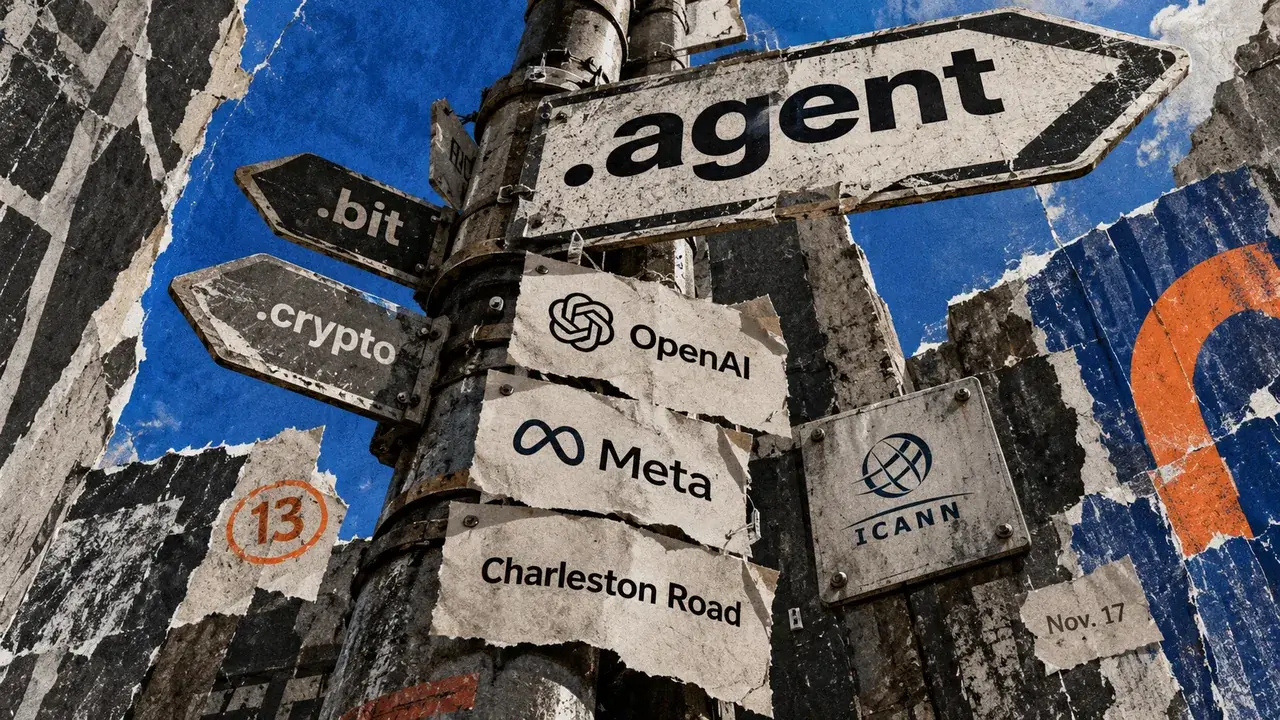
OpenAI, Google and Meta battle for AI internet domains as crypto firms target .bitcoin and .wallet
OpenAI, Google, and Meta are competing for AI-related internet domains as cryptocurrency firms pursue their own digital naming rig...

ESMA seeks feedback on tokenized collateral at EU clearing houses
ESMA's scrutiny of tokenized collateral could reshape regulatory frameworks, impacting financial stability and innovation in digit...