Bitmain to Open First US Chip Factory Amid Trade Tensions
The move comes as trade wars between the US and China heat up. High tariffs and government restrictions are forcing Chinese tech companies to rethink their strategies. Company Plans Texas or Florida Location Bitmain will...
Archive context
Older archive item. Useful for background and entity history, but not a fresh market-moving signal.

The move comes as trade wars between the US and China heat up. High tariffs and government restrictions are forcing Chinese tech companies to rethink their strategies.
Company Plans Texas or Florida LocationBitmain will establish its new headquarters in either Texas or Florida by the end of September 2025. The company expects to start making chips in early 2026 and reach full production by the end of that year.
Irene Gao, Bitmain’s global business chief, told Bloomberg the factory will speed up delivery times for US customers. She called America’s push for Bitcoin dominance “a unique opportunity.”
The company plans to hire 250 local workers during the first phase. These jobs will include manufacturing and equipment maintenance roles.
Trade War Drives Industry ShiftThe factory announcement follows months of supply problems. US customs officials stopped thousands of Bitmain chip shipments in November 2024. This happened after investigators looked into Sophgo, a Chinese chip company with ties to US-banned firm Huawei.
Sophgo has connections to Bitmain through shared ownership. In January 2025, the US Commerce Department added Sophgo to its restricted trade list. Companies on this list cannot buy US technology without special permits, which are rarely approved.
The US now charges 30% tariffs on Chinese-made mining equipment. These high costs push Chinese manufacturers to build factories in America instead of shipping products from Asia.
All three major Chinese Bitcoin hardware makers are now moving to the US. Canaan finished a test production run in America, while MicroBT says it is working on a US strategy to avoid tariff impacts.
Trump Policies Support Crypto ManufacturingPresident Trump’s administration supports American crypto production. The president has spoken about wanting all remaining Bitcoin to be “made in America.” His family has also started crypto businesses, including a mining company called American Bitcoin.
Trump previously held up an American-made mining chip and said “Made in America. Great,” according to reports from industry meetings.
The administration’s focus on domestic manufacturing fits with Bitmain’s expansion plans. Companies that produce locally can avoid trade barriers and build closer ties with US customers.
The US has become the world’s largest Bitcoin mining country since China banned the practice in 2021. American miners now control about 37% of the global network’s computing power.
Regulatory Challenges RemainBitmain still faces hurdles in the US market. Government officials worry about Chinese companies controlling critical infrastructure. Some American competitors want stricter rules on foreign-made mining equipment.
Auradine, a US chip maker with backing from mining giant MARA Holdings, has asked the government to limit Chinese firms. The company argues that hundreds of thousands of Chinese mining machines connected to America’s power grid could pose security risks.
Questions also remain about whether crypto mining chips will face the same export restrictions as artificial intelligence processors. This uncertainty makes planning difficult for Chinese manufacturers.
The company previously ran a Bitcoin mining farm in rural Texas starting in 2019. It’s unclear if Bitmain still owns this facility.
Impact on US Mining IndustryThe factory could help American mining companies expand faster. Local production means shorter wait times for new equipment and quicker repairs when machines break down.
Major US miners like MARA Holdings, Riot Platforms, and CleanSpark have been growing rapidly. These publicly traded companies need steady supplies of the latest mining hardware to stay competitive.
JPMorgan analysts note that 13 large US mining companies now control over 31% of Bitcoin’s total network power. This represents the highest share ever recorded for American operators.
However, the transition brings risks. If Chinese companies struggle to make US production profitable, they might redirect equipment sales to other countries. This could create shortages in the American market.
What This Means Going ForwardBitmain’s US factory represents more than just one company’s expansion. The move signals a broader shift toward “reshoring” critical technology production.
Other crypto and tech companies may follow similar strategies to avoid trade barriers. This could reshape global supply chains for digital infrastructure..
For Bitcoin miners, local production promises more stable equipment supplies and potentially lower costs over time. However, the industry must still address ongoing concerns about foreign influence in America’s crypto infrastructure.
Why this matters
This research story adds another data point to the current market tape and is useful when read alongside nearby source coverage.
Original source
Read on Brave New CoinRelated market context

Block launches its first major Bitcoin consumer campaign, aiming at 60 million curious Americans
Block's campaign could significantly boost Bitcoin adoption, influencing financial behaviors and potentially reshaping digital cur...

OpenWorld Begins Nasdaq Trading As VerifyMe Deal Creates Public Tokenization Company
TL;DR OpenWorld and VerifyMe have completed their business combination, with the combined company trading on Nasdaq under OPNW fro...
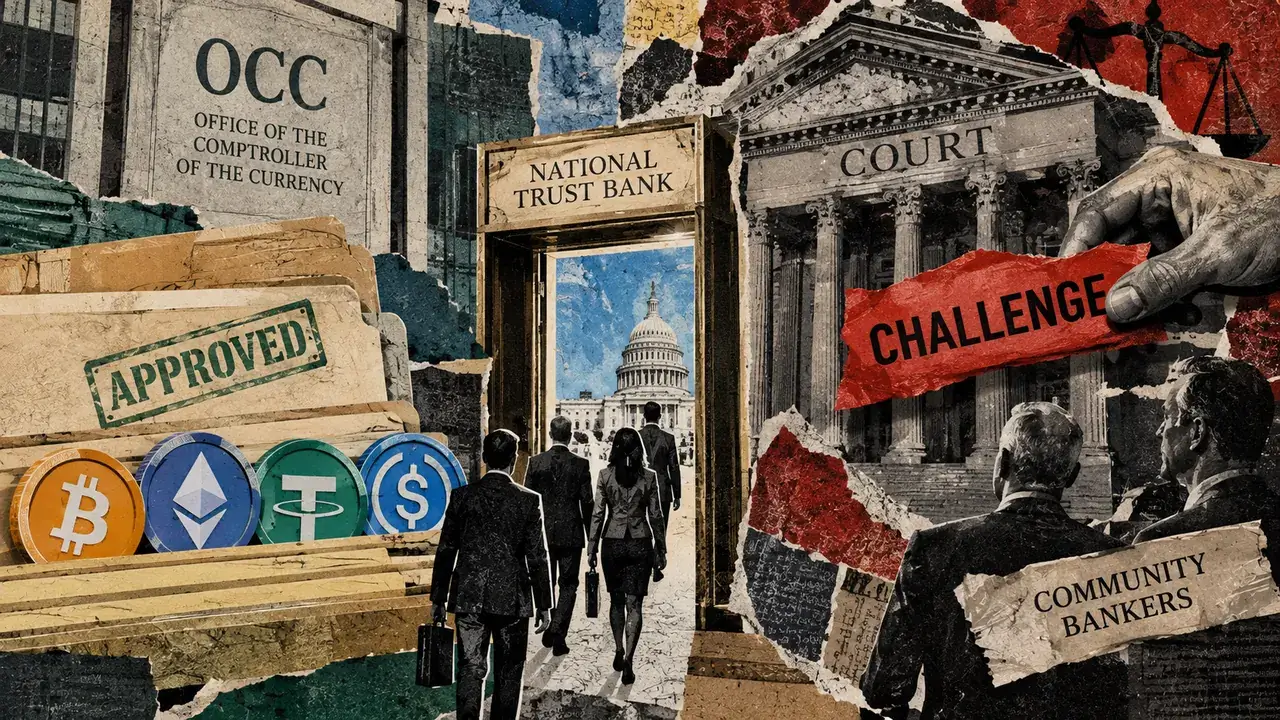
Bankers sue to overturn OCC trust-bank rule used by crypto firms
The Independent Community Bankers of America sued the OCC in federal court in Washington on Oct. 2, two weeks after the agency app...

Crypto Shorts Lose $110M In Ten Minutes As Sudden Rally Forces Traders Out
TL;DR Roughly $110 million in bearish crypto positions were liquidated during a rapid ten-minute rally on October 2. The move was...
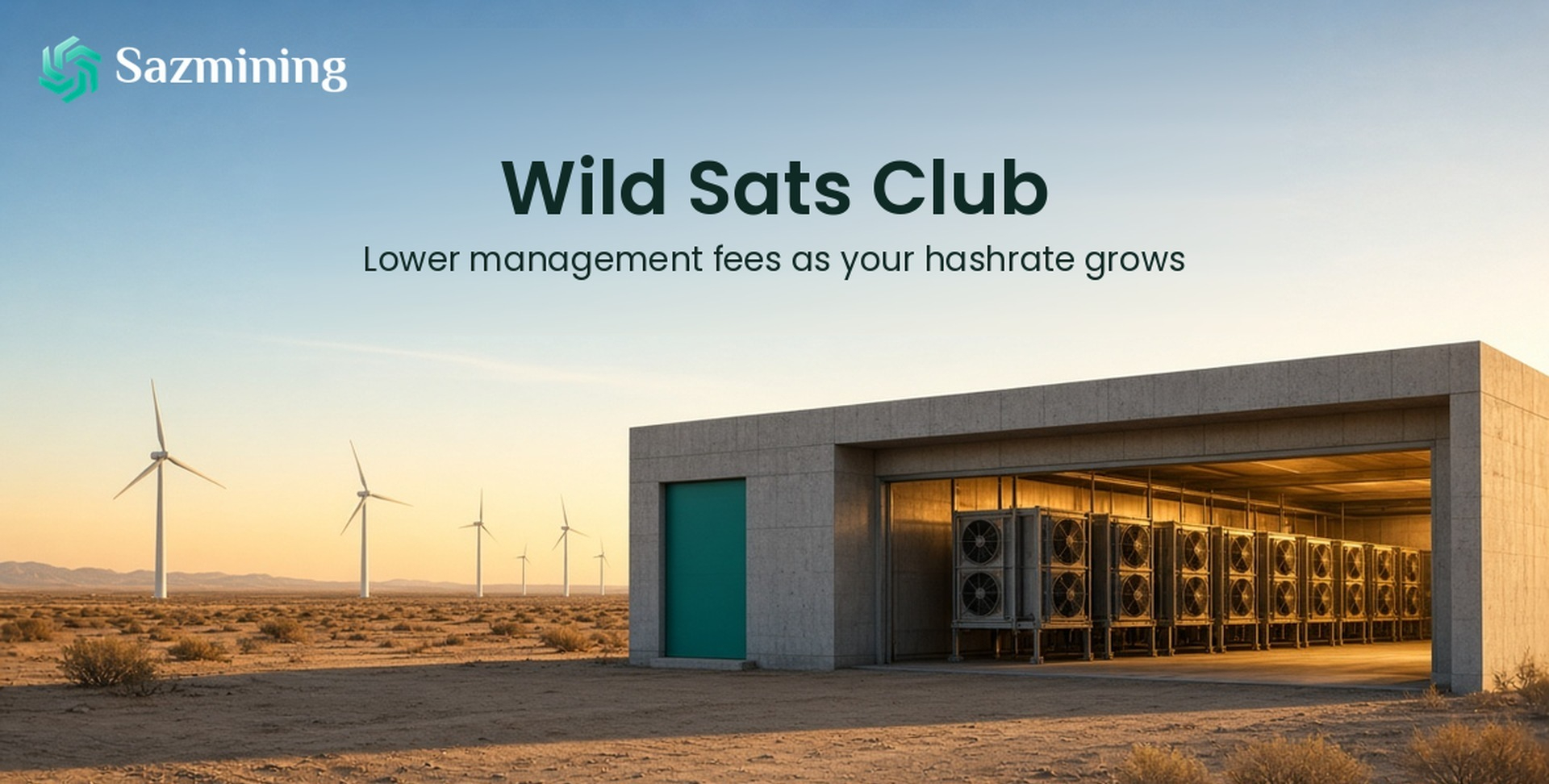
Sazmining Launches the Wild Sats Club, a Loyalty Program That Discounts Mining Management Fees as Customer Hashrate Grows
Bitcoin Magazine Sazmining Launches the Wild Sats Club, a Loyalty Program That Discounts Mining Management Fees as Customer Hashra...

Kalshi traders price 85% chance the Fed holds after weak jobs report
The high probability of a Fed rate pause reflects market sentiment on economic slowdown, impacting investment strategies and finan...