BLAST Chain in 2025: From $2.7B TVL to Near-Collapse in Under Two Years
Since its launch in November 2023, BLAST has emerged as both one of the most innovative and controversial Layer 2 networks in the crypto space. While the platform has achieved remarkable initial growth and introduced gen...
Archive context
Older archive item. Useful for background and entity history, but not a fresh market-moving signal.

Since its launch in November 2023, BLAST has emerged as both one of the most innovative and controversial Layer 2 networks in the crypto space. While the platform has achieved remarkable initial growth and introduced genuine technological innovations, mounting challenges and legitimate concerns have tempered the initial enthusiasm surrounding this “yield-bearing blockchain.”
What Makes BLAST Different – And Why That’s Both Good and ProblematicBLAST distinguishes itself as the first Layer 2 network offering automatic native yield on ETH and stablecoins deposited on the platform. Unlike traditional staking that requires users to lock funds in specific protocols, BLAST provides passive income directly to holders – approximately 4% for ETH and 5% for stablecoins through integration with established platforms like Lido and MakerDAO.
This innovative approach has genuine merit. The yields come from legitimate sources: Ethereum staking rewards and on-chain Treasury bills, making them fundamentally different from unsustainable “too good to be true” schemes. However, critics argue that the aggressive marketing around these yields, combined with an invite-based referral system, creates dynamics reminiscent of pyramid schemes – a comparison that has dogged the project since launch.
Rapid Growth Followed by Significant DeclineBLAST’s initial success metrics were undeniably impressive. Within six months of launch, the platform attracted over $2.7 billion in Total Value Locked (TVL), making it the sixth-largest blockchain by this metric. Over 200 decentralized applications launched on the network, and daily active users peaked at over 180,000.
During what has been one of crypto’s most impressive 12 months, BLAST has slid almost into oblivion.
However, that as then and this is now. In the last 12 months, BLAST has experienced a dramatic decline in TVL from its all-time high, dropping from $2.7 billion to around $105 million today according to data from DefiLlama – a staggering 96% decline.
Daily active users have plummeted from a high of 180,000 last June to 3,800 today – a record low for the chain and a stark contrast to competitors like Base (1.3 million daily active wallets) and Arbitrum (330,000). This decline wasn’t merely market-wide weakness. It reflected specific issues with BLAST’s ecosystem, including problems with its June 2024 token airdrop that left many users dissatisfied with the distribution process and claiming mechanisms.
Technical Capabilities vs. Security ConcernsBLAST’s technical specifications remain impressive: the network can handle up to 100,000 transactions per second with 2-second block times, far exceeding Ethereum’s mainnet capacity of about 15 transactions per second. The platform uses optimistic rollup technology, a proven scaling solution that maintains Ethereum’s security while dramatically improving performance.
However, significant security and governance concerns persist. The platform relies on a 3-of-5 multi-signature wallet for asset custody, which has raised questions about centralization and transparency. Critics point out that the anonymity of the signatories creates trust issues, and the upgradeable nature of the smart contracts means the system could theoretically be modified by those controlling the multisig.
Dan Robinson of Paradigm, one of BLAST’s own investors, publicly criticized the project’s messaging and execution, calling it problematic in both areas. This criticism from a major supporter highlighted the legitimate concerns surrounding the platform’s approach.
Gaming Success Story: Fantasy.top’s Rise and the Broader ContextThe news isn’t all bad, however. Fantasy.top represents BLAST’s most compelling success story. The social trading card game, which gamifies crypto influencer activity on Twitter, generated over $11 million in revenue within ten days of its May 2024 launch. The game has maintained momentum even as the broader BLAST ecosystem struggled, demonstrating the potential for innovative applications on the platform.
However, Fantasy.top’s success also illustrates a broader challenge: BLAST has become heavily associated with speculative gaming and “degen” culture rather than serious DeFi infrastructure. While the founder Tieshun Roquerre (known as “Pacman”) has argued this focus on crypto-native users was intentional – citing the need to build network effects before targeting mainstream adoption – critics question whether this approach can sustain long-term growth.
Ecosystem Challenges and Fraud ConcernsThe BLAST ecosystem has faced multiple security incidents that raise questions about the platform’s ability to attract and retain serious projects. Several high-profile scams have occurred on the network:
- RiskOnBlast suffered a rug pull in February 2024, resulting in losses of around 500 ETH ($1.3 million)
- Super Sushi Samurai experienced a $4.6 million exploit due to smart contract vulnerabilities
- Blockchain investigator ZachXBT identified organized fraud groups specifically targeting BLAST with sophisticated scam projects
These incidents, while not necessarily reflecting flaws in BLAST’s core technology, suggest challenges in ecosystem governance and project vetting that could deter legitimate developers and users.
Conclusion: Innovation Amid UncertaintyFor crypto enthusiasts, BLAST serves as a case study in how innovative technology alone isn’t sufficient for long-term success. Building sustainable blockchain ecosystems requires not just technical excellence, but also robust governance, genuine utility, and the ability to maintain user engagement beyond initial incentives. BLAST introduced genuinely useful features like native yield and demonstrated impressive technical capabilities. Applications like Fantasy.top show that creative developers can build engaging experiences on the network. However, the significant decline in key metrics, ongoing security concerns, and questions about long-term sustainability suggest that BLAST’s future is far from assured.
Why this matters
This research story adds another data point to the current market tape and is useful when read alongside nearby source coverage.
Original source
Read on Brave New CoinRelated market context

Changer+ Launches Stablecoin-First Self-Custodial Wallet to Make Stablecoins Easier to Use
Singapore, Singapore, October 6th, 2026, Chainwire Multi-chain stablecoin wallet combines simpler transfers, flexible gas-fee opti...

Binance Launches Retail AI Assistant, Repackages Existing Trading Tools
Binance has grouped its artificial intelligence products under a new Binance Intelligence brand, combining a newly launched retail...
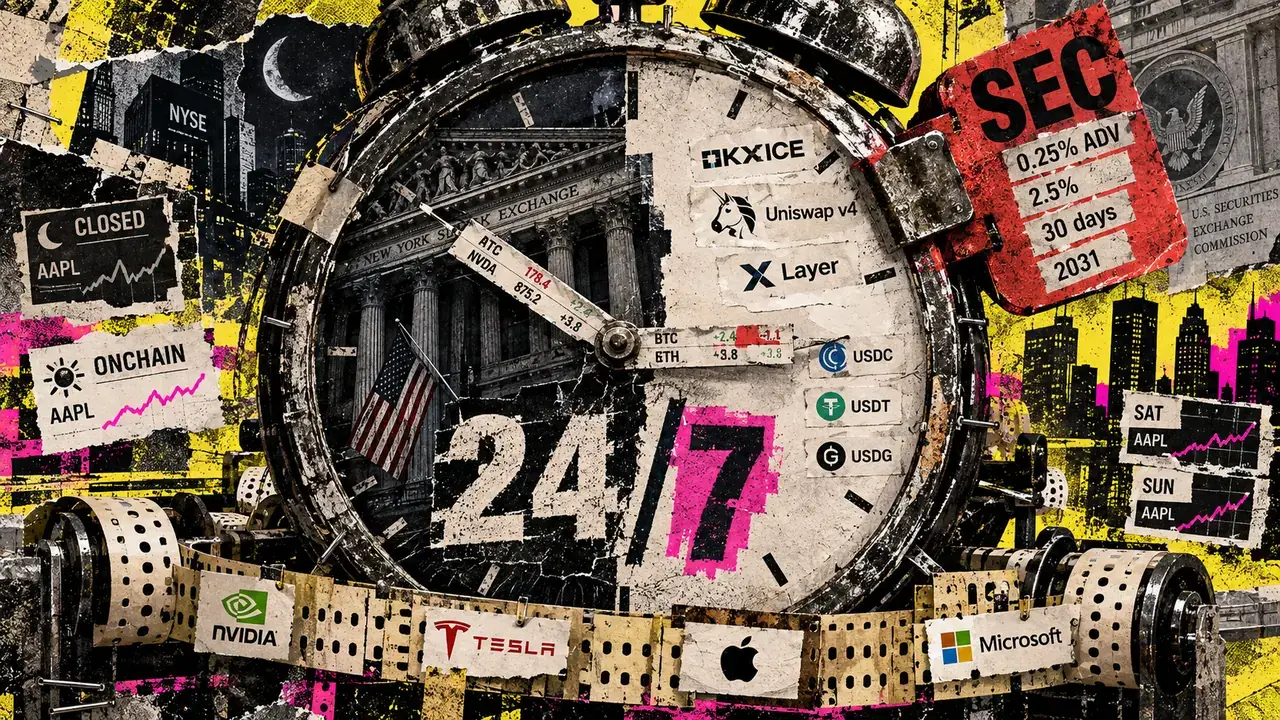
NYSE owner and OKX plan 24/7 tokenized stock trading using Uniswap
Intercontinental Exchange and OKX are preparing an always-open market where tokenized US stocks could keep repricing after Wall St...

NEAR Intents Says Exploited $3.8 Million Is Back, Closes Its Hack Investigation
NEAR Intents, the cross-chain trading protocol hit by a $3.8 million exploit on Oct. 1, got all of the money back from the attacke...

Hyperliquid Data Now Live on Bloomberg Terminal as Trump Working to Bring The Platform to The US
Hyperliquid perpetual contracts are now available through the Bloomberg Terminal, bringing data from the decentralized exchange in...
Bitcoin Behemoths Strategy and IBIT Amass 1.65 Million BTC Worth $140B
Strategy and Blackrock’s IBIT now control a combined 1.653 million bitcoin worth roughly $140.82 billion, nearly 8% of the network...