Bybit Enables Mainland Chinese Users via VPN, Excludes Yuan Transactions
This move comes amid China’s strict cryptocurrency regulations, prohibiting commercial crypto activities and yuan-based transactions. Bybit’s co-founder and CEO, Ben Zhou, confirmed during a media briefing on December 3...
Archive context
Older archive item. Useful for background and entity history, but not a fresh market-moving signal.

This move comes amid China’s strict cryptocurrency regulations, prohibiting commercial crypto activities and yuan-based transactions.
Bybit’s co-founder and CEO, Ben Zhou, confirmed during a media briefing on December 3 that the platform began accepting registrations using Chinese national IDs and passports earlier this year. Zhou clarified that while Bybit blocks mainland IP addresses, users can connect via VPNs, effectively bypassing the country’s crypto ban.
“What the Chinese government dislikes the most about crypto is that it can facilitate capital outflow. So we won’t touch this red line,” Zhou stated, emphasizing the platform’s refusal to support Yuan transactions. The decision to allow VPN access aims to cater to the “overseas Chinese community” while navigating the constraints imposed by Beijing’s policies.
Limited Uptake Among Mainland UsersDespite enabling VPN access, Bybit has reported minimal user growth from mainland China. Zhou attributed this to the platform’s strict prohibition on yuan trading, which serves as a significant deterrent for potential users.
Instead, Bybit claims to have focused on global expansion, reporting a registered user base that has supposedly tripled from 20 million in 2022 to nearly 60 million this year. However, questions remain about the platform’s heavy reliance on derivatives trading, which carries significant risks for retail investors. Its growth has also been linked to opportunistic moves, such as exploiting the vacuum left by FTX’s collapse, raising concerns about sustainability and the ethics of its strategies.
Bybit’s plan highlights the difficulty of operating in countries with strict cryptocurrency restrictions. Despite the Chinese government’s outright ban on cryptocurrency trading and mining, mainland Chinese users continue to access global crypto marketplaces via unauthorized routes such as peer-to-peer networks and VPNs.
Bybit has used this strategy to manage user demand while reducing the danger of regulatory violations. However, by allowing VPN access, the platform potentially exposes users to security risks—a concern that has led platforms like Coinbase to implement stricter measures against VPN usage.
Hong Kong Licensing ChallengesIn addition to navigating mainland China’s restrictions, Bybit has faced hurdles in obtaining regulatory approval in Hong Kong. The exchange initially sought a license under Hong Kong’s new crypto framework but withdrew its application in May due to compliance concerns. Zhou revealed that the decision stemmed from a conflict of interest involving Bybit’s compliance officer, who also held a position with a former employer.
The company plans to reapply for the license in early 2025, claiming it will address the identified issues. However, questions remain about whether such efforts are aimed at genuine compliance or merely improving its image in a regulatory environment where its credibility has already been scrutinized.
In the crypto sector, Bybit’s strategy emphasizes the continuous conflict between user accessibility and regulatory compliance. While the platform’s VPN access provides a workaround for mainland Chinese users, it also raises concerns about the broader consequences of defying state rules.
As China tightens its grip on money outflows and cryptocurrency-related activity, Bybit’s tricky approach is expected to come under more scrutiny in the near future.
Why this matters
This research story adds another data point to the current market tape and is useful when read alongside nearby source coverage.
Original source
Read on Brave New CoinRelated market context

Crypto Exchange Bybit Moves From Stock CFDs to Real US Shares
Bybit opened trading in more than 1,000 US-listed stocks and exchange-traded funds today (Monday), with purchases paid in the USDC...

China Crypto Strategy Expands as Beijing Backs National Blockchain Network
China announced crypto plans for a national blockchain network. The proposal appeared in a policy document from the Communist Part...
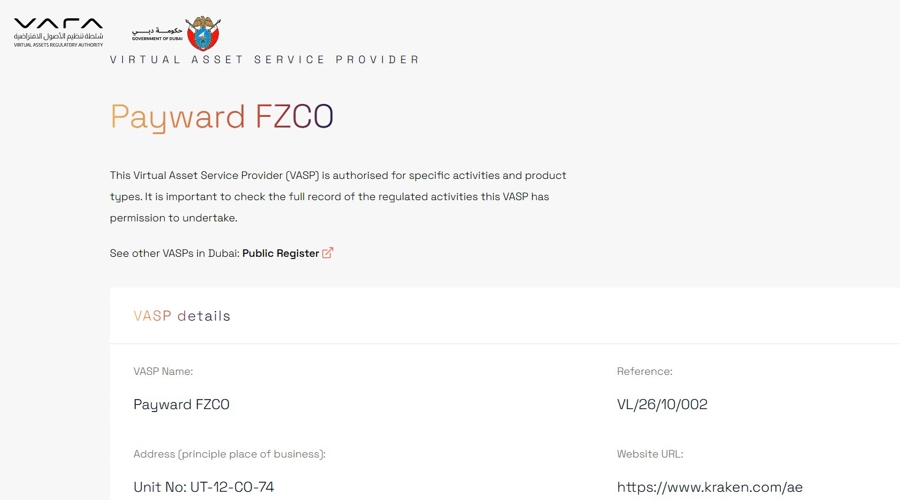
Kraken Gets Final Dubai Crypto License, Plans UAE Launch Within Weeks
Kraken's parent Payward received Full Market Approval from Dubai's Virtual Assets Regulatory Authority (VARA) today (Monday). Krak...

Brazil’s BRL 22T CSD BR Moves Fund Records to XRP Ledger in Live Tokenization Push
Key Takeaways: CSD BR is leveraging the XRP Ledger to reflect real-time fund holdings. Over BRL 22 trillion in registered assets i...

Stealing $1.5B in crypto is easy, cashing out is the trap
North Korean hackers stole around $1.5 billion from Bybit in February 2025. While the hack itself has been widely covered and anal...

Most Tokenized Stock Trading Happens Outside U.S. Market Hours, IMF Finds
More than half of all trading in tokenized U.S. stocks happens while Wall Street is closed, according to new data from the Interna...