California ‘Swiftly’ Shuts Down BlockFi—Only Two Years After Investors Lost Their Money
The DFPI’s belated action follows a series of investigations and legal actions stemming from BlockFi’s failure to comply with California’s stringent financial regulations under the California Financing Law (CFL). The dec...
Archive context
Older archive item. Useful for background and entity history, but not a fresh market-moving signal.

The DFPI’s belated action follows a series of investigations and legal actions stemming from BlockFi’s failure to comply with California’s stringent financial regulations under the California Financing Law (CFL). The decision permanently bars BlockFi from conducting lending activities in the state, a significant blow to the company as it attempts to resolve its financial liabilities.
The DFPI first suspended BlockFi’s license in November 2022, days after the company had already filed for bankruptcy. According to the DFPI, BlockFi violated multiple CFL requirements, compromising borrower protections and consumer safety. Among the key violations were BlockFi’s failure to assess borrowers’ ability to repay loans and charging interest on loans before releasing funds to borrowers.
The DFPI’s ‘after the fact’ findings also indicate that BlockFi failed to offer essential credit counseling services to borrowers and neglected to report repayment information to credit bureaus—an omission that could have long-term impacts on borrowers’ credit scores and ability to secure future loans.
BlockFi’s lending practices further attracted scrutiny for inaccurately representing annual percentage rates (APRs) in its loan disclosure documents. This lack of transparency in disclosing interest rates prompted the DFPI to impose a $175,000 fine on BlockFi. However, due to BlockFi’s bankruptcy status, the DFPI waived the penalty to allow the company to prioritize its repayments to creditors, who are still awaiting compensation as BlockFi continues to wind down its operations.
In addition to its regulatory infractions in California, BlockFi’s financial instability can be traced to its significant exposure to the collapse of FTX, a once-prominent cryptocurrency exchange led by Sam Bankman-Fried. In July 2022, BlockFi had provided FTX US with a $400 million line of credit and held an additional $275 million loan with the exchange, making FTX one of BlockFi’s largest unsecured creditors. When FTX filed for bankruptcy in November 2022, BlockFi faced a severe financial setback, which ultimately led to its own bankruptcy filing and shutdown of operations.
In March 2024, BlockFi reached an $875 million settlement with the bankruptcy estates of FTX and Alameda Research, a related trading firm, in an effort to recoup some of its financial losses. The settlement enabled BlockFi to begin initial creditor repayments in July 2024 through the Coinbase platform, as part of its ongoing attempts to repay its liabilities. However, as of April 2023, BlockFi’s outstanding liabilities were still estimated to exceed $10 billion, involving more than 100,000 creditors affected by its financial collapse.
Despite not protecting any BlockFi users, in an ironic statement, DFPI Commissioner Clothilde V. Hewlett emphasized the regulator’s commitment to protecting consumers in California’s financial marketplace, particularly in emerging sectors like crypto lending, which often involve higher risk profiles. “While we encourage innovation in our financial marketplace, companies must comply with laws and protect consumers to continue operating in California,” Hewlett stated in a press release.
BlockFi’s license revocation marks a permanent exit from California, as the company had already shut down its web platform in May 2024.
Why this matters
This research story adds another data point to the current market tape and is useful when read alongside nearby source coverage.
Original source
Read on Brave New CoinRelated market context

South Korean Lender Jeonbuk Bank to Offer Bitcoin-Backed Loans
Bitcoin Magazine South Korean Lender Jeonbuk Bank to Offer Bitcoin-Backed Loans Jeonbuk Bank has become the first bank in South Ko...
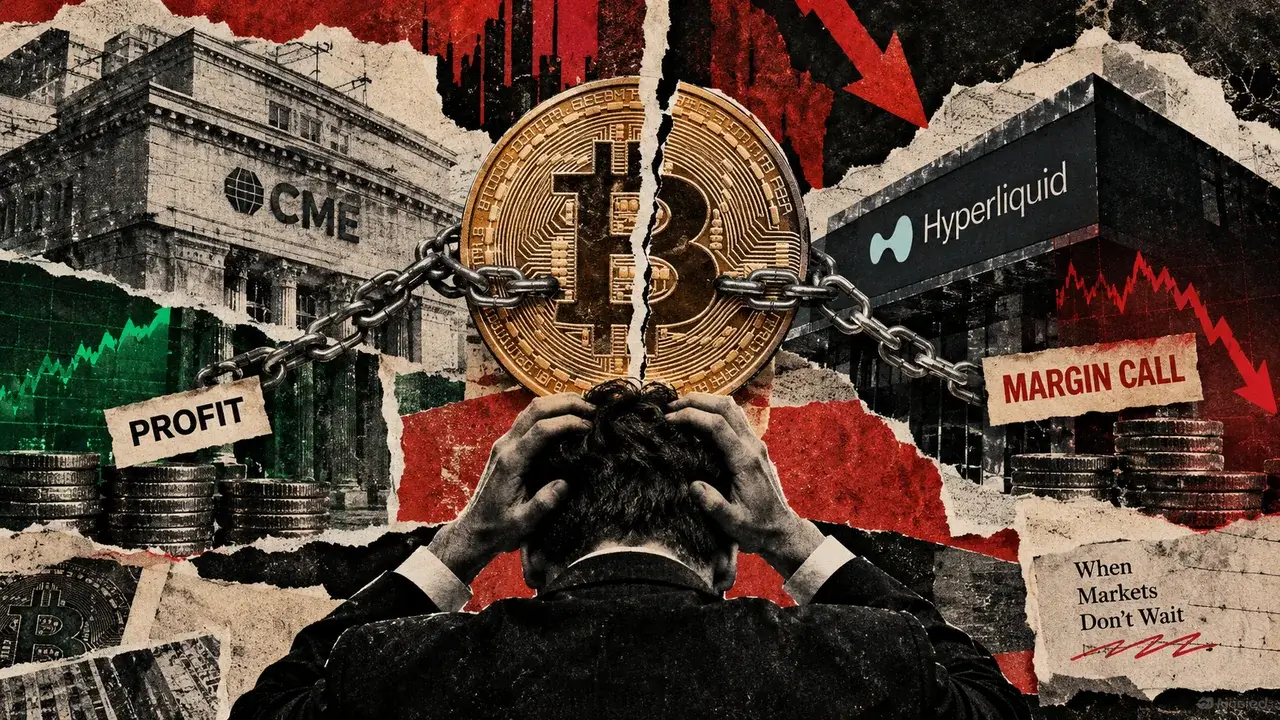
Bitcoin hedge funds face a liquidation trap when their collateral is split across markets
Here's a hypothetical situation: a hedge fund is making money, but one of its exchanges is about to liquidate its position anyway....
Former Story Blockchain Plans to Shut Down and Rebuild Its AI Data Registry on Sui
The DATA Network, the blockchain formerly known as Story, will shut down its own chain and rebuild as a protocol running on Sui, w...

Jeonbuk Bank launches South Korea’s first Bitcoin-backed loans for corporate clients
Jeonbuk Bank's Bitcoin-backed loans could catalyze broader crypto adoption in South Korea, influencing regulatory and financial la...
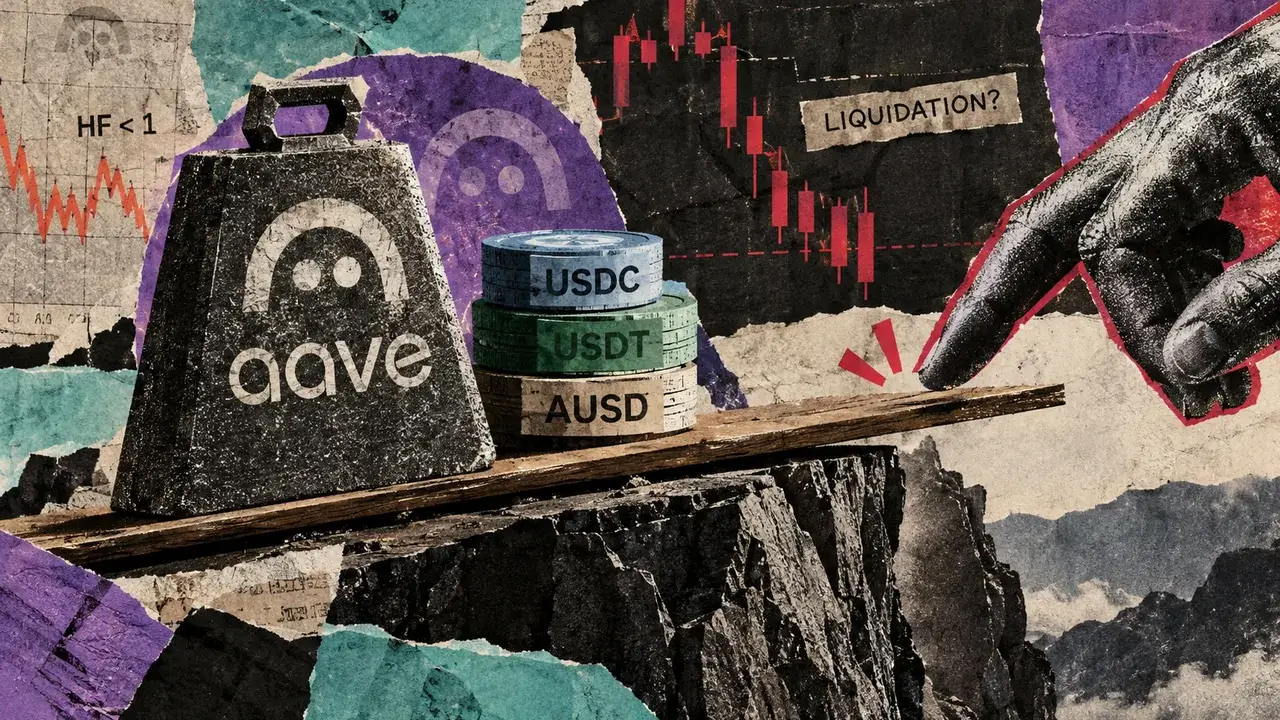
Some Aave loans sit near liquidation with collateral that can take hours to cash out
Some Aave loans backed by yield-bearing collateral had narrow liquidation buffers in LlamaRisk’s Oct. 9 snapshots. Every top PT-AU...
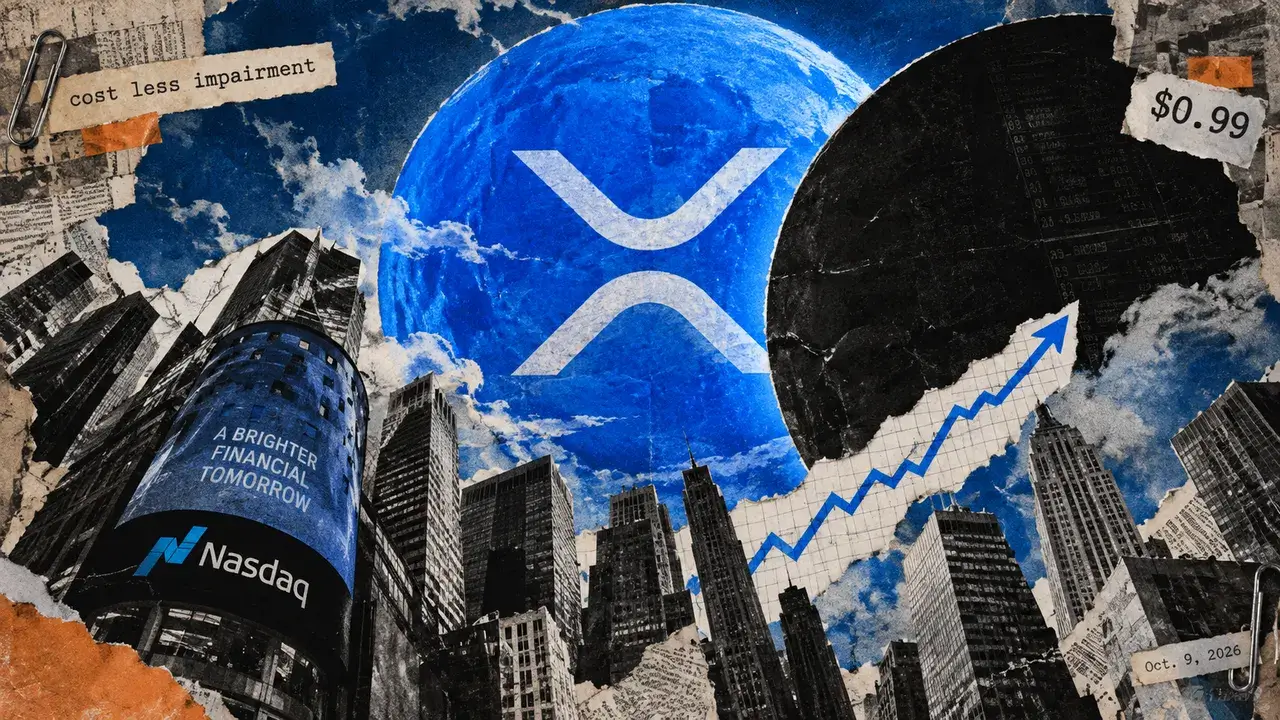
XRP’s next Wall Street expansion comes with an unexpected complication from Ripple
Evernorth is preparing to begin trading on Nasdaq on Monday, bringing approximately 473 million XRP into a publicly traded treasur...