CFTC Chairman Selig says he is disappointed in Congress over stalled crypto bill
The stalled crypto bill highlights regulatory uncertainty, potentially stifling innovation and market growth while increasing compliance burdens. The post CFTC Chairman Selig says he is disappointed in Congress over stal...
Archive context
Older archive item. Useful for background and entity history, but not a fresh market-moving signal.

The stalled crypto bill highlights regulatory uncertainty, potentially stifling innovation and market growth while increasing compliance burdens.
The post CFTC Chairman Selig says he is disappointed in Congress over stalled crypto bill appeared first on Crypto Briefing.
Why this matters
CFTC is showing up inside the Regulation theme, so this story is worth tracking for follow-through rather than treating it as a one-off headline.
Original source
Read on Crypto BriefingRelated market context

CFTC’s Selig Says Perpetual Futures on Individual Stocks Can Now Trade in the US
Perpetual futures on individual stocks can now trade on U.S.-regulated exchanges, Commodity Futures Trading Commission Chairman Mi...
CFTC Opens U.S. Stock Market to Equity Perpetual Futures
Bitcoin Magazine CFTC Opens U.S. Stock Market to Equity Perpetual Futures Perpetual futures on individual stocks can begin trading...

Binance Says $6.34 Billion Hack Began With Fake Job Interview
Bitcoin Magazine Binance Says $6.34 Billion Hack Began With Fake Job Interview The $6.34 billion theft from Binance began with a f...

Crypto and Midterm Election: 3 Risks From Trump’s $5,000 Stimulus to Iran
Crypto is facing a major political test as Americans head to the polls on November 3, with the US midterm election potentially res...

Aero leads tokenized stock DEX trading as weekly volume hits $2.7 billion
The rise of tokenized stock trading on DEXs highlights a shift towards 24/7 market access, challenging traditional stock exchange...
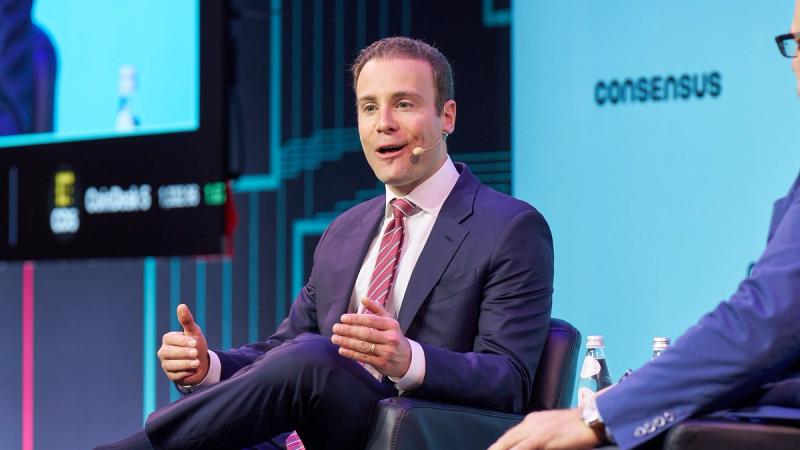
CFTC clears perpetual futures on stocks, bringing crypto trading model to Wall Street
CFTC Chair Michael Selig said the move gives U.S. traders a regulated alternative to “offshore, and often unregulated, venues.”