China-based Huawei to test AI chip aiming to rival Nvidia: Report
Chinese tech giant Huawei has reportedly developed a powerful artificial intelligence chip that could rival high-end processors from US chip maker Nvidia.The Shenzhen-based Huawei is poised to start testing a new AI chip...
Archive context
Older archive item. Useful for background and entity history, but not a fresh market-moving signal.
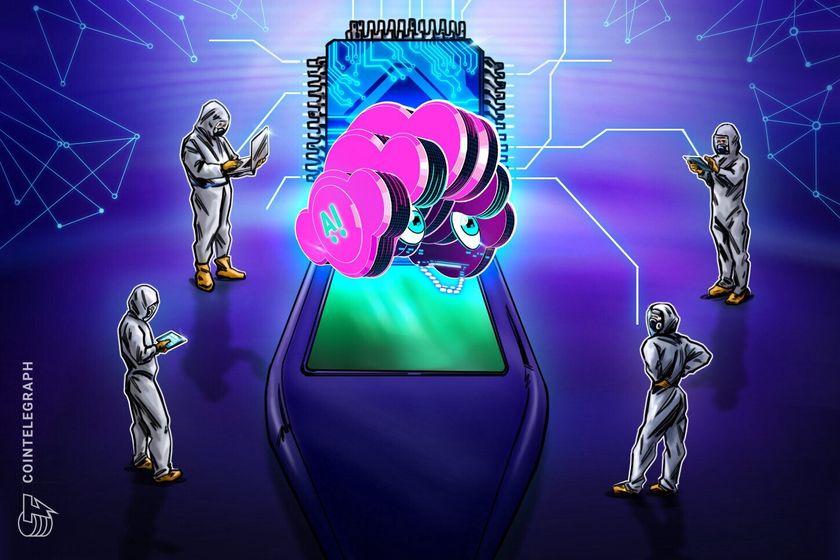
Chinese tech giant Huawei has reportedly developed a powerful artificial intelligence chip that could rival high-end processors from US chip maker Nvidia.
The Shenzhen-based Huawei is poised to start testing a new AI chip called the Ascend 910D, and has approached local tech firms, which are slated to receive the first batch of sample chips by late May, The Wall Street Journal reported on April 27, citing people familiar with the matter.
The development is still at an early stage, and a series of tests will be needed to assess the chip’s performance and get it ready for customers.
Huawei is pinning hopes on its latest Ascend AI processor being more powerful than Nvidia’s H100 chip, which was used for AI training in 2022.
Huawei is also poised to ship more than 800,000 earlier model Ascend 910B and 910C chips to customers, including state-owned telecoms operators and private AI developers such as TikTok parent ByteDance.
Beijing has also reportedly encouraged Chinese AI developers to increase purchases of domestic chips as trade tensions between China and the US escalate.
In mid-April, Nvidia stated that it was expecting around $5.5 billion in charges associated with its AI chip inventory due to significant export restrictions imposed by the US government affecting its business with China.
The Trump administration added Nvidia’s H20 chip, its most powerful processor that could be sold to China, to a growing list of semiconductors restricted for sale to the country.
Some key components for AI chips, such as the latest high-bandwidth memory units, have also been restricted for export to China by the US.
Huawei is focusing on building more efficient and faster systems, such as CloudMatrix 384, a computing system unveiled in April, connecting Ascend 910C chips. This would leverage their chip arrays and use brute force rather than making individual processors more powerful.
China seeks self-reliance on AIReuters reported on April 26, citing state media reports, that Chinese President Xi Jinping pledged “self-reliance and self-strengthening” to develop AI in the country.
“We must recognise the gaps and redouble our efforts to comprehensively advance technological innovation, industrial development, and AI-empowered applications," Xi said at a Politburo meeting study session on April 25.
Donald Trump (left) meeting with Xi Jinping (right) in 2018 at the G20. Source: Dan ScavinoRelated: US Senate bill threatens crypto, AI data centers with fees — Report
“We must continue to strengthen basic research, concentrate our efforts on mastering core technologies such as high-end chips and basic software, and build an independent, controllable, and collaborative artificial intelligence basic software and hardware system,” Xi added.
US President Donald Trump has repeatedly urged Xi to contact him for discussions about a potential trade deal after his administration imposed 145% tariffs on most Chinese goods.
China has stated that it is not having any talks with the US and that the country should “stop creating confusion.”
Magazine: Bitcoin $100K hopes on ice, SBF’s mysterious prison move: Hodler’s Digest
Why this matters
This research story adds another data point to the current market tape and is useful when read alongside nearby source coverage.
Original source
Read on CointelegraphRelated market context

Kalshi investigates suspicious trades tied to Trump’s press secretary pick
The investigation highlights the vulnerability of prediction markets to insider trading, potentially undermining their credibility...
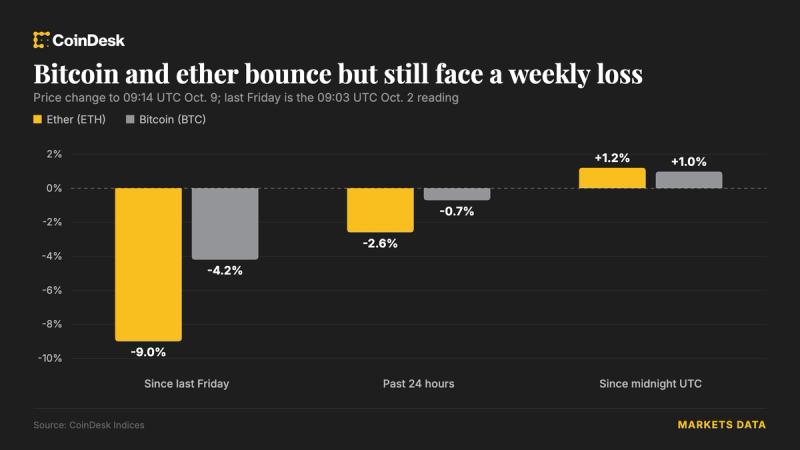
Bitcoin steadies near $82,500 after Trump rules out Iran strike before midterms
Bitcoin recovered to around $82,500 after Trump ruled out an Iran strike, but remains about 4% lower on the week, while ether has...
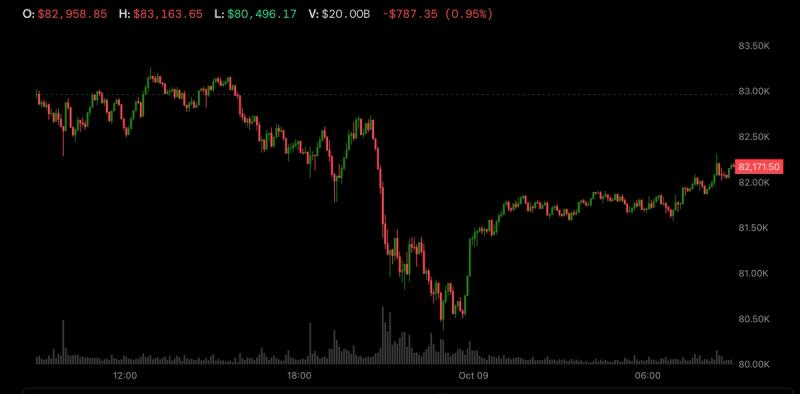
Bitcoin rebounds to $82,000 as Trump rules out Iran strikes, oil drops
Bitcoin rebounded to $82,000 as Trump ruled out an Iran strike before the midterms, while crypto security experts pushed back on “...
Securitize Brings Apple, Nvidia and Tesla Stocks Onchain on Solana
Securitize is launching 1:1-backed versions of major U.S. stocks on Solana, giving eligible investors access to equities including...

China’s P2P stablecoin wallets surge 43x, Korea’s $450B crypto economy: Asia Express
Despite ongoing bans, China has seen a big surge in peer-to-peer stablecoin use. New figures show South Korea’s $450B crypto econo...

Bitcoin rebounds above $81,000 after Trump rules out Iran strikes
Bitcoin's rebound highlights market sensitivity to geopolitical tensions, underscoring the fragile balance between crypto and glob...