Coinbase Faces $1 Billion Lawsuit Over wBTC Delisting Amid Allegations of Anticompetitive Practices
The suit alleges that Coinbase engaged in anticompetitive behavior by delisting Wrapped Bitcoin (wBTC) to promote its own token, Coinbase BTC (cbBTC). Key Allegations: Anticompetitive Conduct: BiT Global claims that Coin...
Archive context
Older archive item. Useful for background and entity history, but not a fresh market-moving signal.

The suit alleges that Coinbase engaged in anticompetitive behavior by delisting Wrapped Bitcoin (wBTC) to promote its own token, Coinbase BTC (cbBTC).
Key Allegations:
- Anticompetitive Conduct: BiT Global claims that Coinbase’s removal of wBTC was a strategic move to undermine competition and monopolize the wrapped Bitcoin market, violating the Sherman Act.
- Market Manipulation: The lawsuit accuses Coinbase of issuing misleading statements about wBTC’s compliance to erode its market position in favor of cbBTC.
Paul Grewal, Coinbase’s Chief Legal Officer, defended the company’s actions, stating, “When an asset no longer meets our listing standards, we will drop it. When another asset can meet or exceed market requirements without sacrificing those standards, we will list it.”
Source: X
The delisting has sparked criticism from industry figures, including Tron founder Justin Sun, who questioned Coinbase’s commitment to consumer choice. Sun highlighted a potential inconsistency between Grewal’s defense and previous statements by CEO Brian Armstrong, who emphasized the exchange’s “asset agnostic” stance to provide consumers with diverse options.
Source: X
Coinbase announced the delisting of wBTC in November, citing unspecified failures to meet its listing standards. This move came shortly after the introduction of cbBTC, Coinbase’s own Bitcoin-wrapped token, leading to speculation about the company’s motives.
Legal Proceedings:The lawsuit, filed by law firm Kneupper & Covey in the U.S. District Court for the Northern District of California, seeks over $1 billion in damages. It alleges that Coinbase’s actions constitute monopolization and unfair competition, causing significant harm to BiT Global and the broader crypto market.
This case underscores the complexities of competition and regulatory compliance in the rapidly evolving cryptocurrency industry. The outcome could set a precedent for how exchanges manage asset listings and address potential conflicts of interest.
As the legal process unfolds, industry stakeholders will closely monitor developments. The case highlights the need for transparent and fair practices in asset listing decisions to maintain trust and integrity within the crypto ecosystem.
v
Why this matters
This research story adds another data point to the current market tape and is useful when read alongside nearby source coverage.
Original source
Read on Brave New CoinRelated market context

Willem Middelkoop: Bitcoin is the Fastest Horse – Why the Debasement Trade Takes it to $1M
Bitcoin Magazine Willem Middelkoop: Bitcoin is the Fastest Horse – Why the Debasement Trade Takes it to $1M Central banks are buyi...

Tokenized assets need reliable settlement and ownership rights to win over institutions, says Brickken CEO
Institutional adoption of tokenized assets hinges on robust legal frameworks, reliable settlement systems, and liquidity managemen...
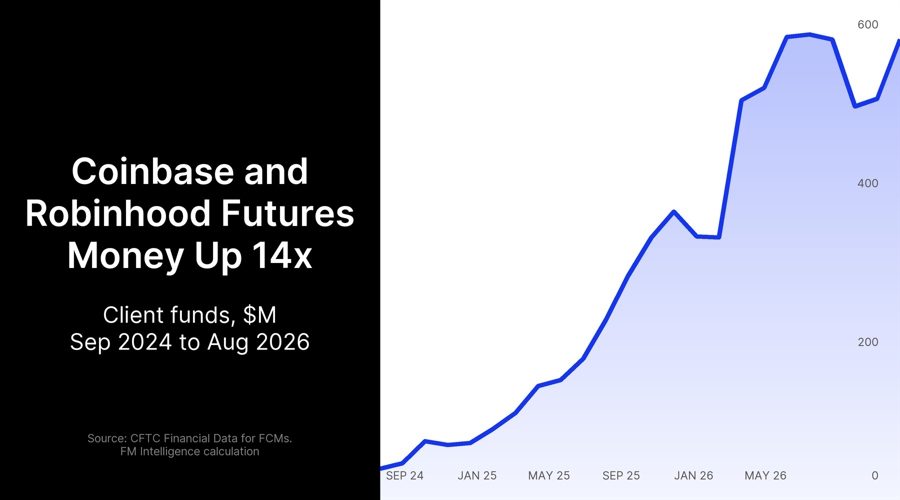
Coinbase and Robinhood Futures Arms Now Hold More Client Money Than the US Retail Forex Pool
The futures brokers of Coinbase and Robinhood held $581.4 million of segregated client money at the end of August. That is more th...

XRP’s next Wall Street expansion comes with an unexpected complication from Ripple
Evernorth is preparing to begin trading on Nasdaq on Monday, bringing approximately 473 million XRP into a publicly traded treasur...

Evernorth names Coinbase veteran Hugo Jeandesboz CIO as XRPN starts trading on Nasdaq
Evernorth's active management strategy could redefine corporate crypto treasuries, offering potential growth but introducing new r...

Kalshi traders bet inflation has peaked for 2026 but will stay sticky
Persistent inflation above the Fed's target could challenge monetary policy, impacting economic stability and investor confidence....