Coinbase Launches Simplified Wallet API v2 in Public Beta, Promising to Eliminate Key Management Headaches for Developers
Unlike the previous version that required developers to handle their own key security infrastructure, v2 automatically manages all cryptographic operations within Amazon’s Nitro Enclave Trusted Execution Environment (TEE...
Archive context
Older archive item. Useful for background and entity history, but not a fresh market-moving signal.

Unlike the previous version that required developers to handle their own key security infrastructure, v2 automatically manages all cryptographic operations within Amazon’s Nitro Enclave Trusted Execution Environment (TEE).
Key Features and ImprovementsThe v2 API introduces several major enhancements over its predecessor:
Enhanced Security: Private keys are now secured within AWS Nitro Enclave TEE, ensuring cryptographic material remains isolated from external access—including Coinbase itself.
Simplified Authentication: Developers now use a single rotatable secret to manage all accounts across multiple blockchain networks, replacing the complex one-secret-per-account system.
Multi-Chain Support: The API now supports both Ethereum Virtual Machine (EVM) networks and Solana, with EVM accounts compatible across all EVM-compatible chains.
Smart Account Features: Integration with EIP-4337 smart accounts enables advanced features like transaction batching, gas sponsorship, and spending permissions.
Developer-Friendly Integration: The API offers compatibility with Viem, a popular Ethereum development library, allowing seamless integration with existing codebases.
What CDP Wallets Do in Simple TermsA CDP (Coinbase Developer Platform) wallet is essentially a digital wallet service that developers can embed into their applications without building wallet infrastructure from scratch. Think of it like integrating a payment processor such as Stripe for traditional payments, but for cryptocurrency transactions.
Instead of users having to download separate wallet apps or manage complex recovery phrases, developers can create wallets programmatically for their users behind the scenes. The wallet handles storing crypto, sending transactions, and interacting with blockchain networks—all while the underlying complexity remains hidden from end users.
Real-World Problems This Update SolvesReduced Development Complexity: Previously, developers had to become security experts to safely store private keys. This often meant months of additional development time and specialized infrastructure setup. The new API eliminates this barrier entirely.
Lower Security Risks: Many crypto applications have been compromised due to poor key management practices. By centralizing key security in a proven TEE environment, the risk of developer-side security failures decreases significantly.
Multi-Chain Hassles: Before v2, developers wanting to support multiple blockchains had to integrate separate systems for each network. The unified API now handles multiple chains through a single integration.
User Onboarding Friction: Traditional crypto wallets require users to understand complex concepts like seed phrases and private keys. CDP wallets can abstract this complexity, potentially making crypto apps accessible to mainstream users who find traditional wallets intimidating.
Risks and Security ConsiderationsDespite the improvements, new wallet technologies introduce several risks that developers and users should understand:
Centralization Risk: By relying on Coinbase’s infrastructure, applications become dependent on a single provider. If Coinbase experiences outages or policy changes, dependent applications could be affected.
TEE Vulnerabilities: While Trusted Execution Environments are highly secure, they’re not invulnerable. Advanced attacks or undiscovered vulnerabilities in the TEE implementation could potentially compromise stored keys. Coinbase has recently been hit with a major security breach – and inside job where it’s own staff were bribed to provide secure customer information to cybercriminals.
API Key Management: The single wallet secret, while simpler, becomes a critical point of failure. If compromised, an attacker could potentially access all associated accounts across multiple blockchains.
Regulatory Risk: Centralized wallet services may face changing regulatory requirements that could impact functionality or availability in certain jurisdictions. While the United States (where Coinbase is headquartered) does appear to be moving towards more clarity in terms of crypto regulation, very little has actually progressed to actual legislation. In addition, the US’s current “America first” policy could be problematic for foreign developers looking to implement the new wallet tech in client applications.
Vendor Lock-in: Applications built heavily around CDP-specific features may find it difficult to migrate to alternative solutions if needed.
Best Practices for Risk MitigationSecurity experts recommend several strategies for developers implementing wallet APIs:
Secret Rotation: Regularly rotate wallet secrets and implement automated rotation policies where possible. Coinbase’s rotatable secret feature should be used proactively, not just reactively.
Multi-Signature Implementation: For high-value applications, consider implementing multi-signature wallets that require multiple approvals for transactions, even when using managed wallet services.
Monitoring and Alerting: Implement comprehensive logging and real-time monitoring for all wallet operations. Unusual transaction patterns should trigger immediate alerts.
Backup Strategies: Develop contingency plans for potential service disruptions, including alternative wallet solutions or manual recovery procedures.
Gradual Rollout: Test the API thoroughly in staging environments and consider phased production rollouts to identify issues before full deployment.
User Education: Even with simplified interfaces, educate users about basic crypto security principles and potential risks associated with their accounts.
Regular Security Audits: Conduct periodic security reviews of applications using the wallet API, including penetration testing and code audits.
The v2 Wallet API represents a significant step toward making cryptocurrency development more accessible, but developers should approach implementation with careful consideration of both the benefits and inherent risks in any centralized wallet solution. Coinbase is encouraging developer feedback through its Discord community as the API moves through its beta phase toward general availability.
Why this matters
This research story adds another data point to the current market tape and is useful when read alongside nearby source coverage.
Original source
Read on Brave New CoinRelated market context

Samsung Wallet Brings USDC to 82M Galaxy Devices With Coinbase, Solana and Sui Support
Key Takeaways: Samsung Wallet will support 82 million U.S. Galaxy to add transfers on USDC. Coinbase will keep USDC in their Coinb...

Brazilian police seize $1.7M in crypto from phishing ring’s wallets
The operation highlights growing regulatory scrutiny on self-custody wallets, potentially influencing crypto security practices an...

U.S. Government Sends $1 Billion in Seized Bitfinex Bitcoin to Unlabeled Wallets
A wallet holding bitcoin stolen in the 2016 Bitfinex hack sent 12,267 BTC, worth about $1.01 billion, to new addresses on Thursday...

Ripple Custody Adds Canton Network Support, Bringing CC and CIP-56 Into One Vault
Key Takeaways: Ripple Custody 1.43 adds support for Canton Network, CC and CIP-56 tokens. Institutions can be given the same custo...
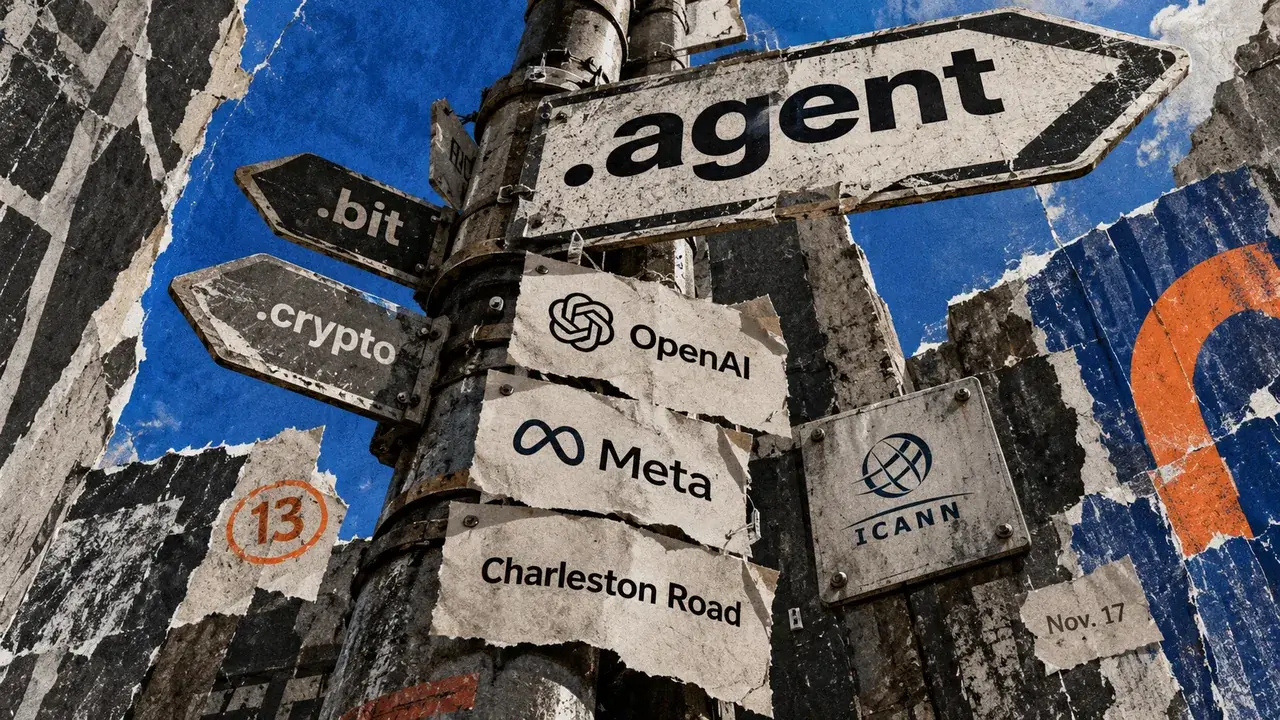
OpenAI, Google and Meta battle for AI internet domains as crypto firms target .bitcoin and .wallet
OpenAI, Google, and Meta are competing for AI-related internet domains as cryptocurrency firms pursue their own digital naming rig...

Sui’s Hashi Launches With $500M to Turn Bitcoin Into Productive DeFi Collateral Markets
Key Takeaways: With more than $500 million in locked-in tokens, Hashi will launch its phased mainnet launch. The protocol enables...