Coinbase Poised for Further Legal Showdown After Rare Court Appeal Against SEC is Granted
A federal judge granted what legal experts are calling a “rare interlocutory appeal,” effectively halting district court proceedings until the appellate court decides whether the digital assets on Coinbase qualify as sec...
Archive context
Older archive item. Useful for background and entity history, but not a fresh market-moving signal.

A federal judge granted what legal experts are calling a “rare interlocutory appeal,” effectively halting district court proceedings until the appellate court decides whether the digital assets on Coinbase qualify as securities under the landmark Howey test.
The dispute revolves around allegations that Coinbase operates as an unregistered exchange and broker-dealer, and that it engages in the unregistered sale of securities through a staking program. Coinbase contends that the SEC’s claims lack a valid legal basis, arguing that tokens on its platform do not fall under securities law. The court’s decision to permit an immediate appeal underscores the importance of clarifying whether cryptocurrency transactions constitute “investment contracts”—a core question that has long vexed both regulators and digital asset firms.
A Rare AppealA prominent lawyer involved in crypto litigation described the decision to grant the interlocutory appeal as “rare,” emphasizing that appellate courts rarely intervene before a final judgment. Another industry legal expert took to social media to hail the decision as a milestone for the broader cryptocurrency ecosystem. The pause on district court litigation ensures Coinbase will not have to simultaneously defend the SEC’s claims while presenting arguments before the Second Circuit.
Coinbase’s chief legal officer commented online, stating, “We appreciate the Court’s careful consideration. On to the Second Circuit we go.” Another legal professional publicly offered congratulations, characterizing the stay as a “big win for the whole ecosystem,” since any subsequent ruling could potentially dismiss—or at least narrow—a large portion of the SEC’s claims.
Source: X
The ruling arrives amid a broader discussion about how federal authorities apply existing securities laws to rapidly evolving blockchain technologies. Observers note that the appellate court’s guidance may significantly shape future enforcement actions, including other high-profile matters in which companies insist their crypto offerings do not meet the criteria for regulated securities. Some argue that an unfavorable decision for Coinbase could expand the SEC’s mandate over the industry, prompting exchanges and token issuers alike to overhaul operations or face similar lawsuits.
Despite the legal victory, the company’s shares have reportedly dropped more than 8% in the midst of a volatile cryptocurrency market. However, some industry analysts remain optimistic. One forecast predicts Coinbase’s stock could rise to over $700 by 2025, surpassing established brokerage firms if global appetite for digital assets continues to expand. At current share values above $300, such projections would require the stock to more than double in the coming years.
Separately, Coinbase is also contesting actions by the Federal Deposit Insurance Corporation (FDIC) over what has been described as efforts to discourage the adoption of Bitcoin and stablecoin reserves in the United States. Filings obtained under the Freedom of Information Act have led to allegations of a broader government initiative—colloquially dubbed “Operation Chokepoint 2.0”—aimed at stifling blockchain-related financial activities. Coinbase’s legal team claims that certain redacted materials reveal measures intended to discourage institutions from engaging in digital asset transactions.
While further hearings in the Second Circuit are expected to begin next year, many in the crypto industry see this as a watershed moment. If the appellate court clarifies whether digital assets on Coinbase qualify as securities, the outcome could echo through federal courts nationwide. Market participants anticipate that the resulting precedent will either tighten or loosen the regulatory framework, influencing how companies list, trade, and stake digital tokens in the United States. For now, Coinbase’s supporters are celebrating what they view as a decisive step toward a more transparent legal environment for cryptocurrency markets.
Why this matters
This research story adds another data point to the current market tape and is useful when read alongside nearby source coverage.
Original source
Read on Brave New CoinRelated market context

New York Permanently Bars Ex-Celsius CEO Mashinsky From Crypto and Securities Industries
New York Attorney General Letitia James announced on Friday a settlement with Alex Mashinsky, a co-founder and former CEO of crypt...
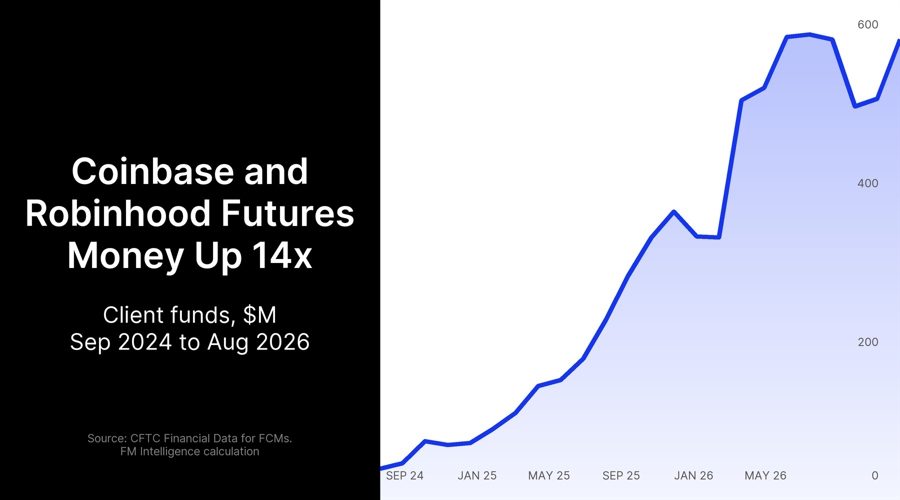
Coinbase and Robinhood Futures Arms Now Hold More Client Money Than the US Retail Forex Pool
The futures brokers of Coinbase and Robinhood held $581.4 million of segregated client money at the end of August. That is more th...

Celsius Founder Alex Mashinsky Hit With $35M Deal and Permanent Crypto Industry Ban
Key Takeaways: Under a NY settlement, Alex Mashinsky may have to pay up to $35M in conditional payments. Celsius’s previous chief...

What happens when crypto trades stocks while Wall Street sleeps?
Wall Street closes at 4 p.m., but apparently that's becoming more of a suggestion than a rule. You can now spend the evening watch...
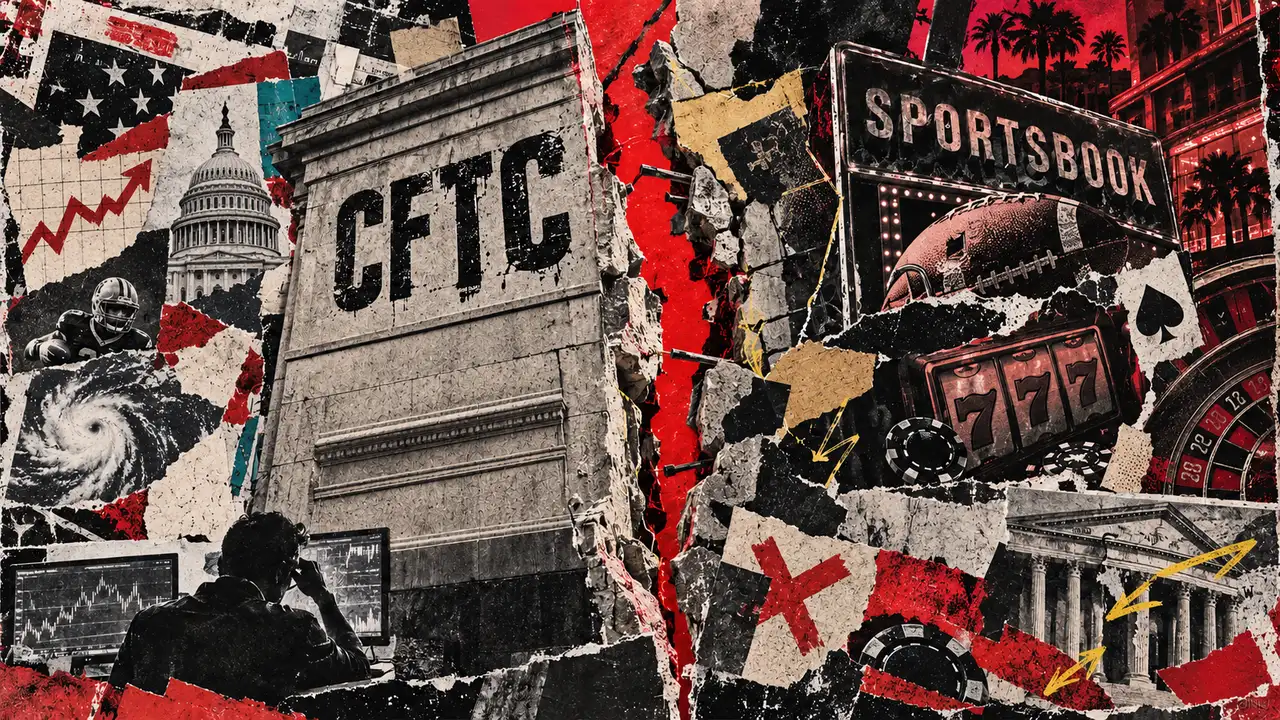
CFTC proposes a divide between prediction contracts and sportsbook wagers
The Commodity Futures Trading Commission announced two actions on Oct. 9 seeking to clarify the federal regulatory boundary betwee...

Coinbase CEO Brian Armstrong praises SEC’s proposal for private market access
The SEC's proposal could democratize private market access, potentially reshaping investment landscapes and expanding opportunitie...