Coinbase’s Account Freezing Crisis And The Hidden Dangers of Centralized Crypto Exchanges
When Brian Armstrong, CEO of Coinbase, publicly admitted on X this week that account freezing has been “a major issue for longer than is acceptable,” it wasn’t just corporate damage control, it was an acknowledgment of a...
Archive context
Older archive item. Useful for background and entity history, but not a fresh market-moving signal.

When Brian Armstrong, CEO of Coinbase, publicly admitted on X this week that account freezing has been “a major issue for longer than is acceptable,” it wasn’t just corporate damage control, it was an acknowledgment of a crisis that has left thousands of users locked out of millions in crypto assets.
Coinbase CEO Brian Armstrong on X.
The Unsettling Reality Behind Coinbase’s “Fraud Prevention”The numbers tell a disturbing story. Users aren’t being locked out for suspicious activity, they’re being punished for behaving exactly as legitimate crypto investors should.
Consider this: A 10-year Coinbase customer @v1nm4n had their entire account frozen for a week after attempting to send $10 worth of cryptocurrency. Not $10,000. Ten dollars. The restriction didn’t just affect that transaction, it locked down all their assets. Or take Eric Conner, co-founder of EthHub, whose account was frozen simply for using a VPN to access his account. In December 2024, his public complaint triggered an avalanche of similar stories from users who had been locked out for months or even years. The pattern is clear: Coinbase’s algorithm-driven “fraud prevention” system has been treating normal crypto activities as criminal behavior.
The VPN Trap: How Privacy Protection Became a Red FlagHere’s where it gets particularly troubling for privacy-conscious crypto users. Coinbase’s risk models automatically flag VPN usage, despite VPNs being standard security practice for many crypto investors. Scott Shapiro, Coinbase’s product director, defended this policy last December by claiming VPNs are “always used by miscreants.” This reveals a fundamental misunderstanding of legitimate crypto security practices and suggests the exchange views user privacy as inherently suspicious. In Coinbase wishes to expand globally (as it obviously does) it will need to get its corporate head around the fact that lots of people, in many countries, have to use a VPN to access any website that is crypto related.
For crypto investors who value privacy and security, core principles of cryptocurrency itself, this creates an impossible choice: sacrifice your privacy or risk having your account frozen indefinitely. This is a point raised by another Coinbase ‘lock out’ Michael Chen – “Please save me from this endless thread of emails I’ve been on stretching back months and months just constantly being asked to upload my most sensitive personal data into some random drives.” Chen’s comment is particularly pertinent, given Coinbase’s recent privacy ‘dump’ where its own customer service staff sold private customer information to criminal gangs.
Why Long-Term HODLers Are Particularly VulnerableThe data reveals that account tenure provides zero protection from arbitrary restrictions. In fact, established users might be at higher risk during periods of increased activity. One documented case involved a user whose daily ACH limits were raised from $250 to $5,000, only to have their account frozen for “fraud prevention” after they used those newly approved limits. The logic is baffling: Why raise limits if using them triggers a freeze? This pattern suggests Coinbase’s systems are poorly integrated, with different departments applying conflicting rules that trap users in algorithmic contradictions.
An Attempted FixIn the last couple of months the frozen account issues have seen Coinbase hire a frozen account czar @dorvonlevi. who, after nine weeks on the job, says “there’s so much more for us to do to get to a great state” (full credit for honesty). Mr Levi says Coinbase has “reduced the frequency of account locks by ~82% so far, and new changes are currently rolling out that will bring further reductions.” Despite this, the issue continues for many, as Levi’s X thread clearly shows.
Coinbase Frozen Account Czar Brian Dorvon Levi on X
What This Means for Your Crypto Investment StrategyThe Coinbase account freezing crisis exposes fundamental flaws in how centralized exchanges must prioritize legal compliance over customer rights. But it also reveals three critical investment considerations:
1. Diversification Risk Beyond Portfolios Keeping all your crypto on a single exchange, even the largest US exchange, creates unnecessary single points of failure. The “not your keys, not your crypto” principle isn’t just philosophical; it’s practical risk management.
2. Due Diligence on Exchange Policies Before choosing an exchange, investigate their account restriction policies, customer service response times, and data security track record. Coinbase’s issues aren’t unique (the writer has has similar problems with Nexo) but their scale makes them particularly concerning.
3. The Hidden Costs of “Convenience” Centralized exchanges offer convenience, but that convenience comes with the risk of arbitrary account actions that can lock you out of your assets when you need them most, particularly during volatile market conditions. Consider self custody. Yes, managing your own private keys requires more technical knowledge, but it also eliminates the risk of arbitrary account restrictions.
The Bigger Picture: Regulatory Compliance vs. User RightsCoinbase’s problems reflect broader tensions in the crypto industry between regulatory compliance and user experience. Exchanges face intense pressure from regulators to implement stringent anti-money laundering (AML) and know-your-customer (KYC) procedures. The issues at Coinbase are common across the sector – and demonstrates how regulatory fear can lead to algorithmic overreach that punishes legitimate users.
The Investment VerdictIf true, Coinbase’s 82% reduction in unnecessary account restrictions is a good start, but it’s a solution to a problem that arguably should never have existed at this scale. For crypto investors, the question isn’t whether Coinbase has improved, it’s whether you’re comfortable trusting your assets to a platform with a documented history this type of issue. Smart crypto investors will evaluate exchanges not just on fees and features, but on their track record of respecting user rights and maintaining accessible customer service.
Why this matters
This research story adds another data point to the current market tape and is useful when read alongside nearby source coverage.
Original source
Read on Brave New CoinRelated market context
Initiate ‘bunker mode’ to protect crypto from AI, says Justin Drake
Senior Ethereum Foundation researcher Justin Drake, who has spent months warning about the supposedly imminent cybersecurity threa...

What is Crypto Bunker Mode? Ethereum’s Justin Drake Warns of a Possible AI Break
What is Crypto bunker mode? Ethereum Foundation researcher Justin Drake urged the crypto industry on October 7, 2026, to plan a co...

Coinbase And Samsung Bring USDC Directly Into Samsung Wallet
TL;DR: Coinbase is powering USDC inside Samsung Wallet, with the stablecoin feature due to reach 82 million compatible Galaxy devi...
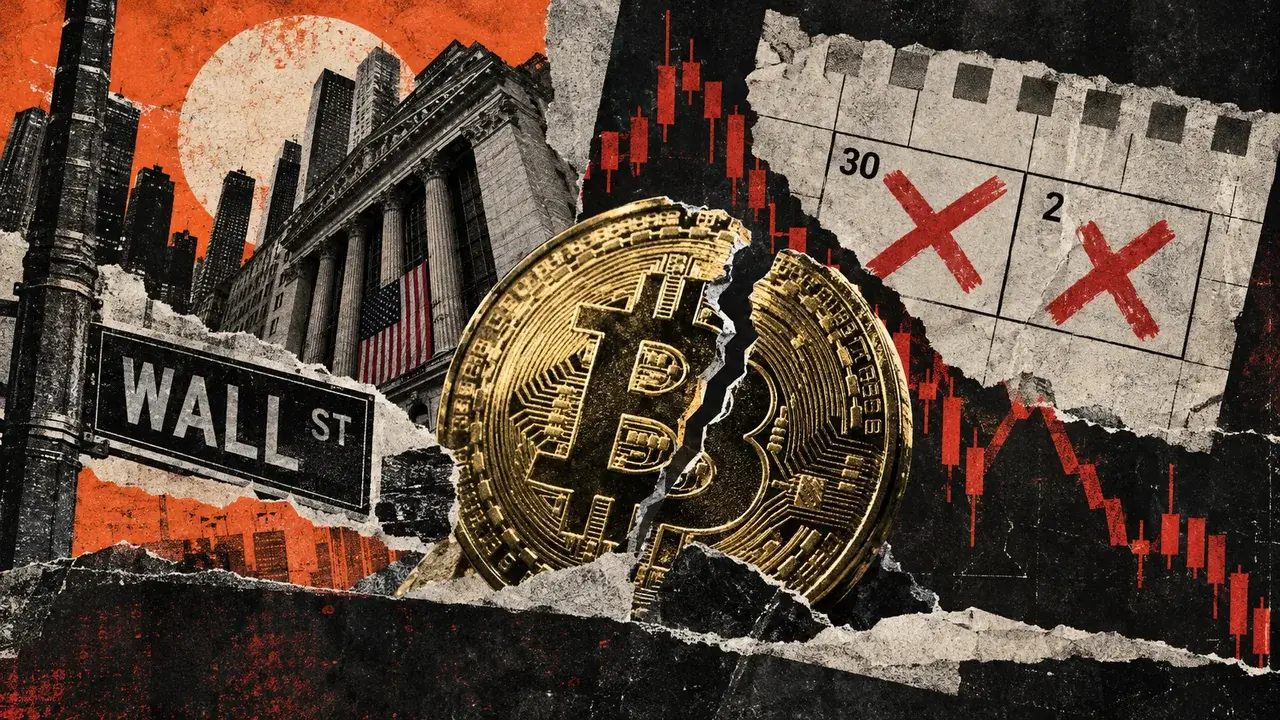
Bitcoin keeps losing ground when Wall Street opens as Coinbase discount deepens
Bitcoin’s US-session weakness is deepening as BTC prices on Coinbase trade at a $64 discount to Binance, the largest global crypto...

Ethereum Researcher’s ‘Bunker Mode’ Call Sparks Debate Over Whether AI Math Threatens Crypto Keys
Ethereum Foundation researcher Justin Drake called on Oct. 7 for the blockchain industry to “calmly begin planning” for “bunker mo...

Coinbase kicks off live trading competition with $150,000 on the line
Coinbase's trading competition glamorizes high-risk trading, potentially misleading casual viewers about the serious risks involve...