Crypto Regulations Evolving Worldwide Amid Global Policy Shifts
Morocco is preparing to regulate cryptocurrencies with a draft law currently in the process of adoption, according to central bank governor Abdellatif Jouahri. Despite a ban on cryptocurrencies since 2017, underground us...
Archive context
Older archive item. Useful for background and entity history, but not a fresh market-moving signal.

Morocco is preparing to regulate cryptocurrencies with a draft law currently in the process of adoption, according to central bank governor Abdellatif Jouahri. Despite a ban on cryptocurrencies since 2017, underground usage has persisted, prompting Bank Al-Maghrib to move toward formal oversight.
At an international conference in Rabat, Jouahri highlighted the bank’s dual focus on regulating crypto assets and exploring a central bank digital currency (CBDC). This move reflects a broader trend as countries assess how digital currencies can align with regulatory frameworks while fostering innovation.
Russia has taken significant steps by enacting a new law regarding cryptocurrencies. President Vladimir Putin signed legislation that officially recognizes digital currencies as property and allows their use in foreign commercial payments. The law exempts crypto mining and sales from value-added tax (VAT) and sets tax rates for profits made from buying, selling, or trading digital currencies.
For individuals, tax rates are set at 13% for income up to 2.4 million rubles and 15% for amounts exceeding that limit. Corporate entities will be subject to the standard corporate tax rate of 25% starting in 2025. The legislation aims to create a clear regulatory framework for digital assets, potentially strengthening Russia’s position in the global cryptocurrency market.
China’s Supreme People’s Procuratorate has emphasized strict enforcement of the revised Anti-Money Laundering Law, focusing on virtual currencies and financial crimes to safeguard national security. The revised law, introduced in November 2024 and set to take effect in January 2025, expands the scope of predicate offenses for money laundering to include crypto transactions.
Procurator-General Ying Yong stressed the importance of combating money laundering involving digital currencies and coordinating efforts across agencies to enforce the updated provisions effectively. The move underscores China’s continued crackdown on cryptocurrency activities within its borders.
In Poland, the government is preparing for the upcoming Markets in Crypto-Assets (MiCA) regulation, which will require companies providing cryptocurrency-related services in the European Union to obtain a Crypto Asset Service Provider (CASP) license. The deadline to apply for a CASP license is June 30, 2025. The Polish FinTech ecosystem is growing rapidly, making the country an attractive destination for crypto businesses seeking to navigate the new regulatory landscape.
Brazil’s Central Bank (BCB) has introduced a regulatory proposal prohibiting centralized exchanges from allowing users to withdraw stablecoins to self-custodial wallets. This move aims to tighten regulations and enable the BCB to oversee the crypto industry as part of the December 2022 crypto law. Stakeholders can submit feedback on the proposal by February 28, 2025.
Japan’s Financial Services Agency (FSA) has issued formal warnings to five overseas crypto exchanges, including KuCoin and Bybit, for operating without proper registration. The FSA emphasized that unregistered exchanges lack oversight, putting user funds at risk. Japan recently lowered the capital gains tax rate on cryptocurrency investments to 20%, aligning with stock market tax policies to stimulate the domestic crypto market.
In Taiwan, the Financial Supervisory Commission (FSC) has accelerated its Anti-Money Laundering (AML) regulations for cryptocurrency providers, moving the registration deadline up to November 30 from the previously scheduled January 1, 2025. The FSC has clarified that no operators have completed the required Money Laundering Prevention Registration under the Virtual Asset Service Provider (VASP) Registration Measures.
Why this matters
This research story adds another data point to the current market tape and is useful when read alongside nearby source coverage.
Original source
Read on Brave New CoinRelated market context

Argentina central bank director rules out crypto progress this year
Argentina's crypto ban may drive users to decentralized platforms, highlighting the tension between regulatory caution and market...
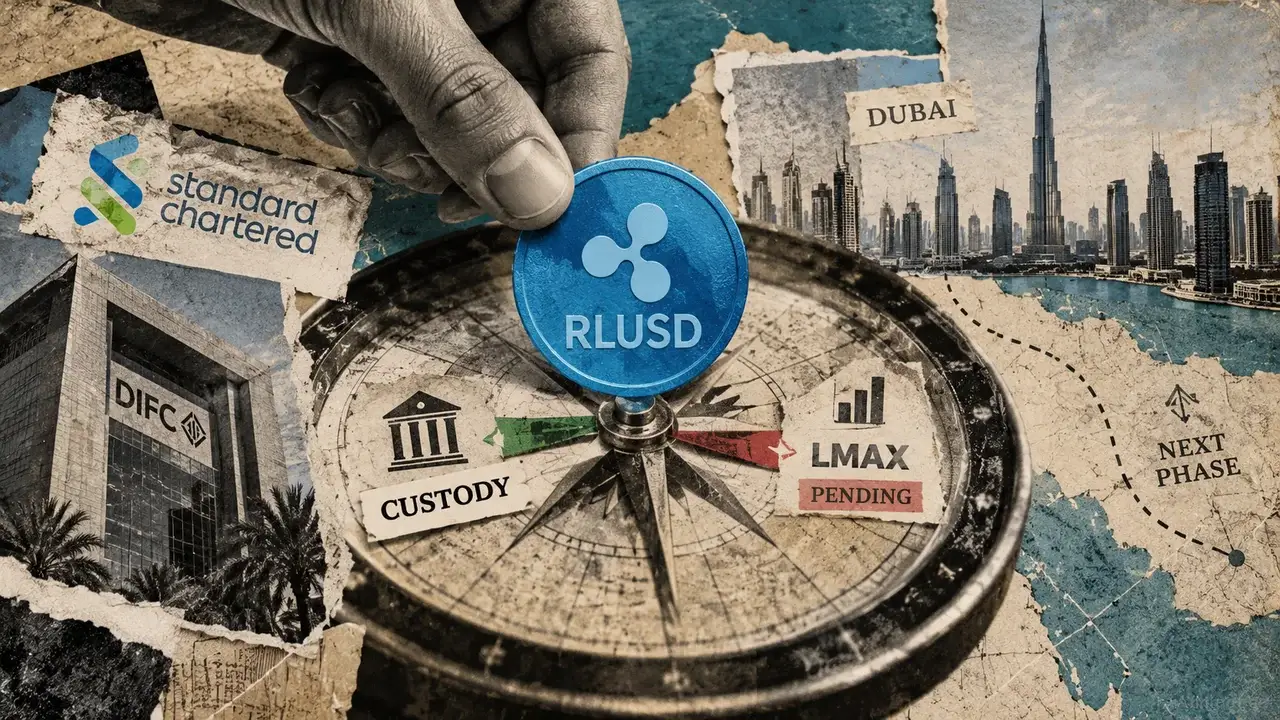
Standard Chartered brings Ripple’s RLUSD into banking custody after $765 million quarterly surge
Standard Chartered has launched custody for Ripple's RLUSD stablecoin as it prepares to expand its use as collateral for instituti...

South Korea’s Jeonbuk Bank Lends Won Against Bitcoin, Using Court Sales for Defaults
Jeonbuk Bank, a regional South Korean lender, has extended a corporate loan in won secured by Bitcoin, under a setup in which the...
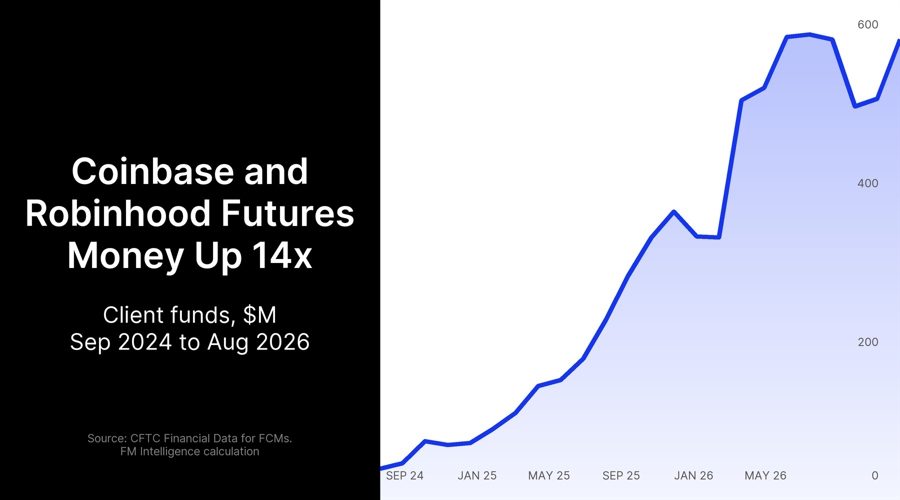
Coinbase and Robinhood Futures Arms Now Hold More Client Money Than the US Retail Forex Pool
The futures brokers of Coinbase and Robinhood held $581.4 million of segregated client money at the end of August. That is more th...
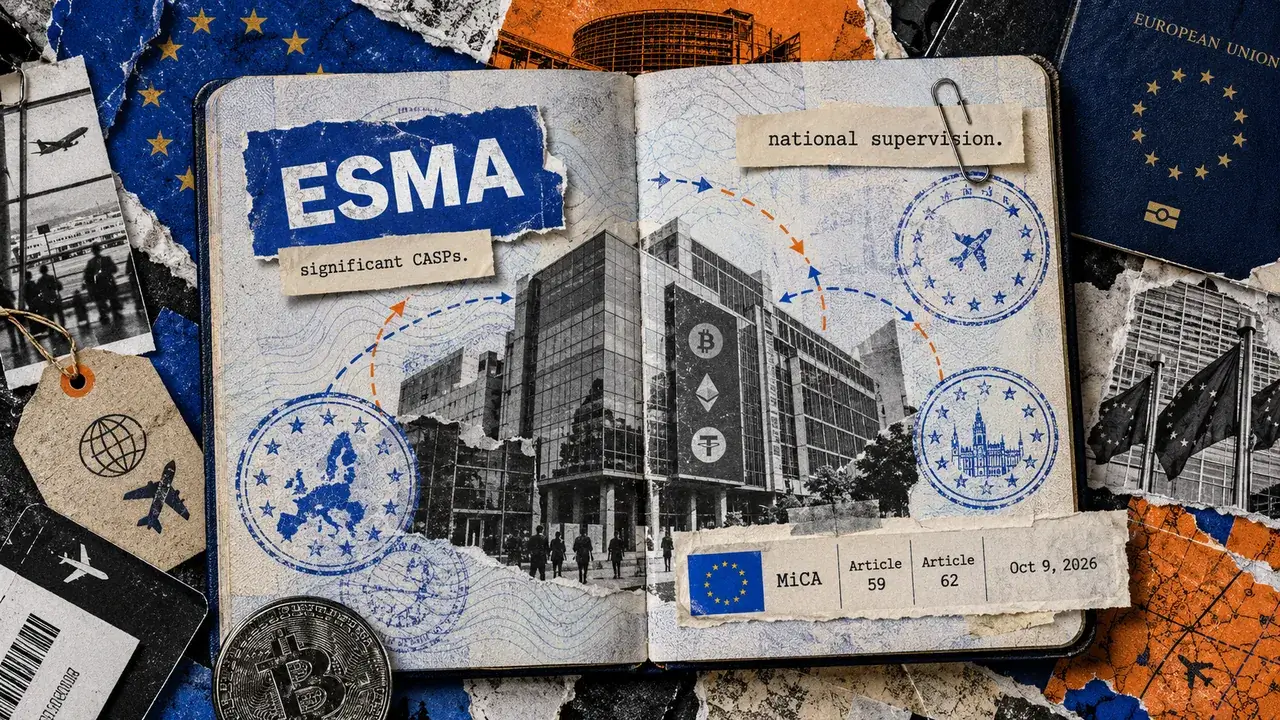
EU targets MiCA loophole that lets crypto exchanges serve 27 countries with one license
EU finance ministers agreed to shift oversight of major crypto companies to a central watchdog, reshaping supervision under MiCA....

China Crypto Strategy Expands as Beijing Backs National Blockchain Network
China announced crypto plans for a national blockchain network. The proposal appeared in a policy document from the Communist Part...