Cryptocurrency-Linked Scams Surge in 2024 as Cybercriminals Shift Tactics
This points to a worrying surge in new scams, particularly alarming when compared to 2022, the next highest year, where only 29.9% of year-to-date flows went to newly activated wallets. This dramatic rise signals that cy...
Archive context
Older archive item. Useful for background and entity history, but not a fresh market-moving signal.

This points to a worrying surge in new scams, particularly alarming when compared to 2022, the next highest year, where only 29.9% of year-to-date flows went to newly activated wallets. This dramatic rise signals that cybercriminals are aggressively adapting their strategies, creating a constant influx of new scams to ensnare unsuspecting victims. Anecdotally Brave New Coin can also confirm a marked increase in both the number of scams pitched to the company in 2024, and in their level of sophistication.
Shifting Tactics from Ponzi Schemes to Targeted ScamsWhile old favorites like ‘cloud mining’ scams are ongoing, the report also highlights a shift in scammer tactics, moving away from complex, long-running Ponzi schemes to shorter, more targeted campaigns. ‘Romance scams,’ where perpetrators build trust with victims online before defrauding them, stand out as particularly damaging. Chainalysis data suggests that this type of scam has exploded by 85x since 2020, with average payment sizes resulting in devastating financial and emotional impact on victims.
“From 2022 to 2024, just one such organization, a popular fraud shop, received $10.5 million from scammers known to perpetrate romance scams,” the report states. “With this shop selling ‘seasoned’ social media profiles for anything between $5 to $20 per account, scammers could have purchased between 525K and 2.1 million social media profiles they could then use to target victims.” This thriving black market of stolen or fake social media profiles provides scammers with the tools they need to build convincing online personas and prey on vulnerable individuals seeking connection.
Shorter Scam Lifespans Indicate Rapid Cybercrime EvolutionFurther evidence of this shift towards shorter-term scams is seen in the shrinking average lifespan of such operations. The average duration of scams has dropped dramatically, from 271 days for scams initiated in 2020 to just 42 days for scams launched in 2024. This shortened timeframe suggests that scammers are prioritizing quick profits over building elaborate schemes, likely due to increased awareness and law enforcement efforts targeting large-scale operations.
“Taken together, these two data points strongly suggest that scammers are pivoting away from elaborate Ponzi schemes that cast a wide net, to more targeted campaigns like romance scams or address poisonings,” said Eric Jardine, Cybercrime Research Lead at Chainalysis. Jardine emphasizes that this evolution in tactics requires a corresponding evolution in security measures and awareness campaigns to effectively combat these new threats.
What Is Crypto Wallet Address Poisoning?Address poisoning refers to a tactic used by scammers in which they send small, often worthless, transactions to a victim’s cryptocurrency wallet. These transactions are designed to ‘poison’ the wallet by creating a record that appears in the victim’s transaction history, often mimicking legitimate wallet addresses from an exchange or other entity a victim may be interacting with.
Scammers then hope that victims will accidentally copy the poisoned address from their transaction history when trying to send funds later. Since the malicious address looks similar to the legitimate one, victims may unknowingly send their cryptocurrency to the scammer’s address instead of their intended recipient’s address.
Investment Scams Continue to Dominate Crypto-Related FraudA recent FBI report notes a 45% surge in cryptocurrency-related fraud losses in the United States during 2023, reaching a staggering $5.6 billion. This spike coincided with a rally in cryptocurrency prices, attracting renewed attention from criminal actors eager to capitalize on the renewed public interest and potential for large financial gains.
Investment scams were the most prevalent and damaging type of crypto fraud, accounting for roughly $3.9 billion in losses. The FBI emphasized the decentralized and irreversible nature of cryptocurrency transactions as key factors exploited by scammers, enabling them to facilitate large-scale, cross-border transactions quickly and with relative anonymity. These characteristics, often touted as advantages of cryptocurrency, unfortunately also create opportunities for criminals to operate with reduced risk of detection and accountability.
Heightened Vigilance and Collaboration Needed to Combat ScamsThe FBI urges individuals to exercise caution and vigilance when dealing with cryptocurrency investments and to be wary of unsolicited offers promising unrealistic returns. Red flags to watch out for include high-pressure sales tactics, requests for personal information, and demands for payment in cryptocurrency. “Scams targeting investors who use cryptocurrency are skyrocketing in severity and complexity,” said FBI Director Christopher Wray. “The best way to help stop these crimes is for people to report them,” he added, emphasizing the need for public awareness and cooperation to combat the growing threat of crypto-related scams. Reporting suspicious activity, even if no financial loss occurred, can help law enforcement agencies track trends and develop strategies to combat these evolving scams.
Why this matters
This research story adds another data point to the current market tape and is useful when read alongside nearby source coverage.
Original source
Read on Brave New CoinRelated market context

Fraud Victims Hit Legal Wall in Britain’s $5B Bitcoin Battle
A British High Court ruling has dealt a significant setback to Chinese fraud victims seeking ownership of more than 61,000 bitcoin...

State of TRON Q3 2026 Report Highlights $2.21 Trillion in Stablecoin Settlement Amid Network Activity Growth
Geneva, Switzerland, October 12, 2026 — TRON DAO, the community-governed DAO dedicated to accelerating the decentralization of the...
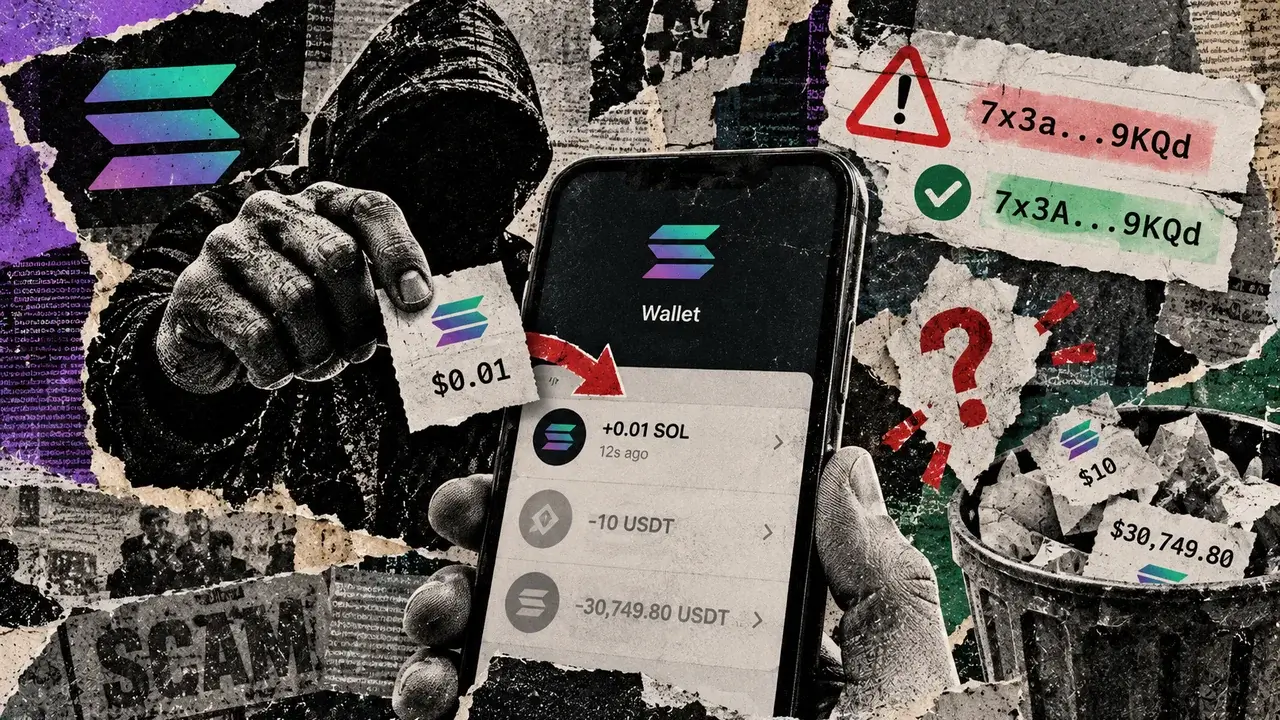
A Solana wallet tested a fake address with $10, then sent it $30,750
Lookalike payment addresses targeted nearly 4.5 million Solana wallets over 11 months, according to blockchain-data firm Bitquery’...

A $5 billion Bitcoin fortune is at stake, but UK court says being defrauded isn’t enough to claim it
A London judge rejected Chinese fraud victims' bid to use English law to claim more than 61,000 seized Bitcoin. In an Oct. 12 ruli...
Ripple Teams With Stripe-Owned Privy to Bring Wallet Tech to XRP Ledger
Ripple has partnered with cryptocurrency wallet infrastructure provider Privy to expand payment capabilities on the XRP Ledger (XR...
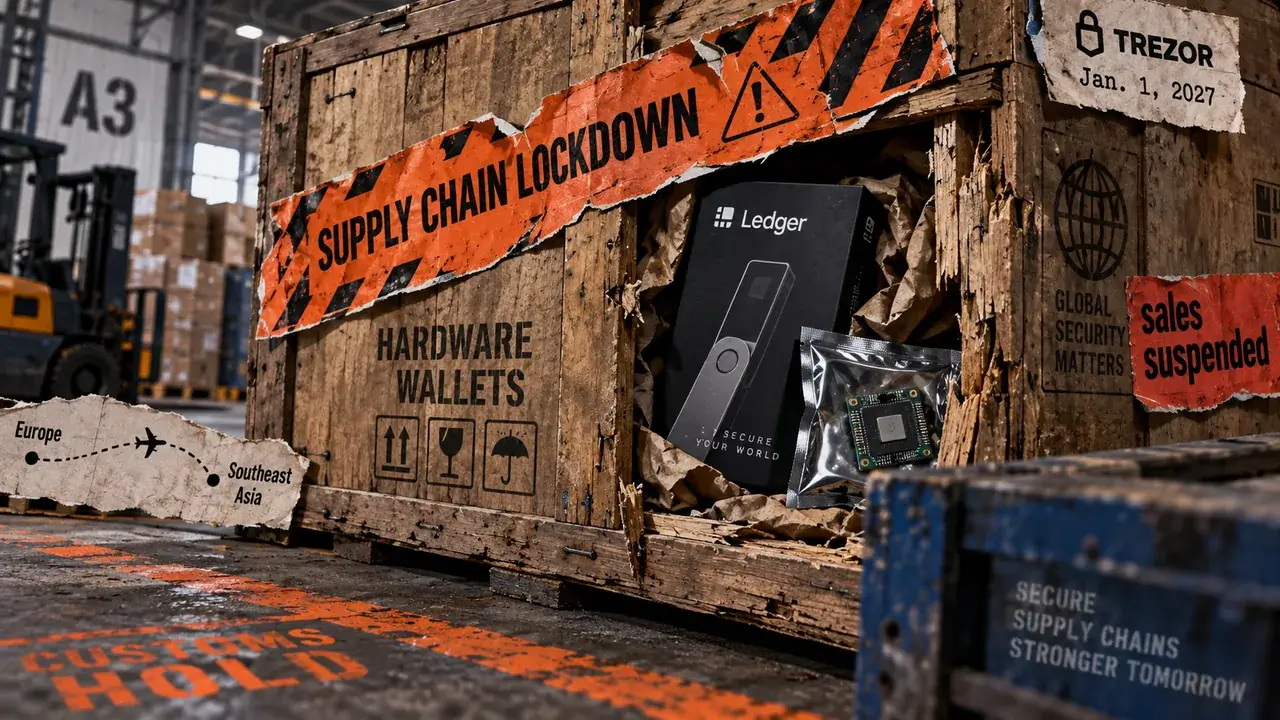
Ledger’s crypto wallet implant scare triggers Trezor reseller crackdown as security fears spread
Trezor is cutting authorized resellers after a hardware-implant attack against rival Ledger exposed vulnerabilities in cryptocurre...