Cryptocurrency Theft Remains Key Revenue Source for North Korea, UN Report Says
Cyberattacks on cryptocurrency exchanges have been a major source of funds for North Korea in the past year, a United Nations report has unveiled. According to the document, the sanctioned nation has also been developing...
Archive context
Older archive item. Useful for background and entity history, but not a fresh market-moving signal.
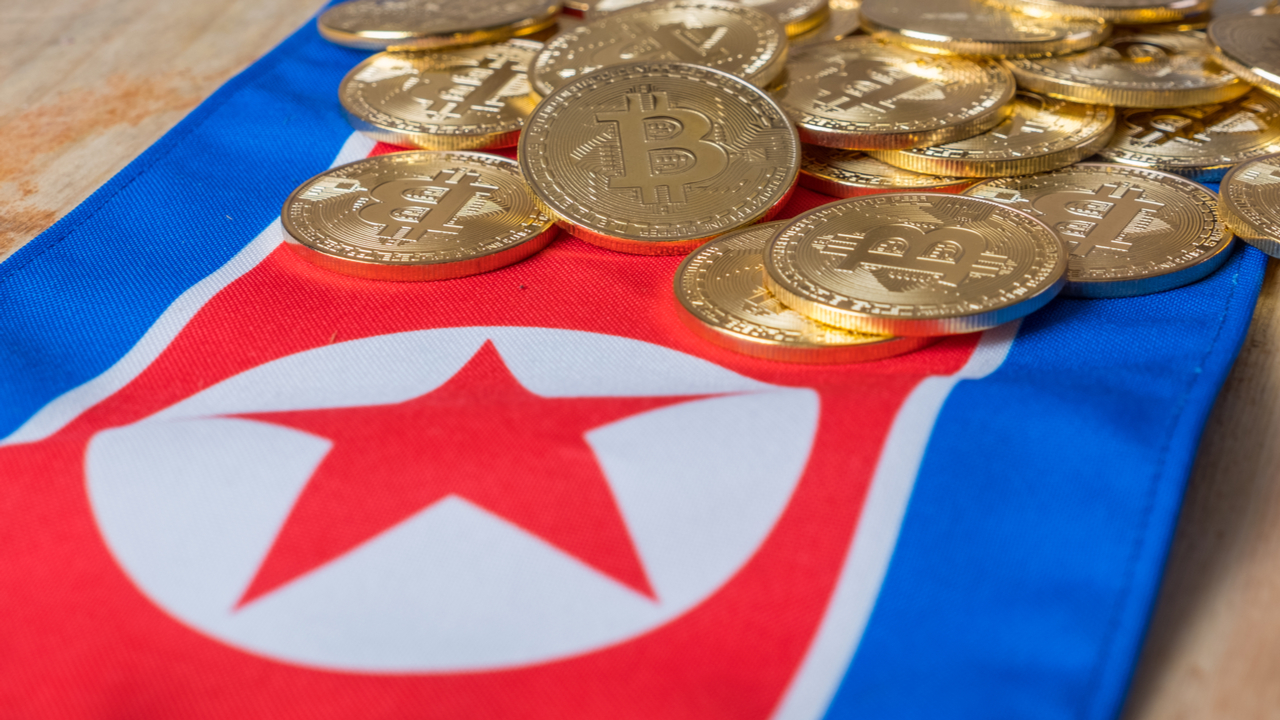
Cyberattacks on cryptocurrency exchanges have been a major source of funds for North Korea in the past year, a United Nations report has unveiled. According to the document, the sanctioned nation has also been developing its nuclear and missile programs.
North Korea Hits Cryptocurrency Exchanges, Sanctions Monitors SayHackers controlled by the Democratic People’s Republic of Korea (DPRK) have continued to target financial institutions and crypto platforms such as exchanges, Reuters reported citing a confidential U.N. report. Its annual edition, produced by independent sanctions monitors and submitted to the Security Council North Korea sanctions committee on Friday, claims:
Cyberattacks, particularly on cryptocurrency assets, remain an important revenue source [for DPRK].
The report further details that according to a member state, “DPRK cyberactors stole more than $50 million between 2020 and mid-2021 from at least three cryptocurrency exchanges in North America, Europe and Asia.”
The monitors also quote an estimate by Chainalysis which recently revealed that the regime in Pyongyang has launched no less than seven attacks on crypto companies in 2021 resulting in the theft of almost $400 million in digital assets. “These attacks targeted primarily investment firms and centralized exchanges,” the blockchain analysis firm explained in January.
Back in 2019, the U.N. sanctions monitors announced that North Korea had accumulated an estimated $2 billion through increasingly sophisticated cyberattacks. The digital money was allegedly used to finance its weapons of mass destruction programs. Their latest report notes:
Although no nuclear tests or launches of ICBMs [intercontinental ballistic missiles] were reported, DPRK continued to develop its capability for production of nuclear fissile materials.
The authors are convinced that maintenance and development of North Korea’s nuclear and ballistic missile infrastructure hasn’t stopped. They also point out that the country, which has been under U.N. sanctions since 2006, has accelerated its ballistic missile testing, having carried out nine launches in January, which is the largest monthly number to date.
Do you think North Korean hackers will continue to conduct cyberattacks against cryptocurrency exchanges? Let us know in the comments section below.
Why this matters
This research story adds another data point to the current market tape and is useful when read alongside nearby source coverage.
Original source
Read on Bitcoin NewsRelated market context

East Asia Crypto Adoption Report: South Korea’s AI Trade Comes to Crypto
Summary South Korea leads the region with a $449.1 billion crypto economy, followed by Japan ($228.3 billion), Hong Kong ($192.2…...
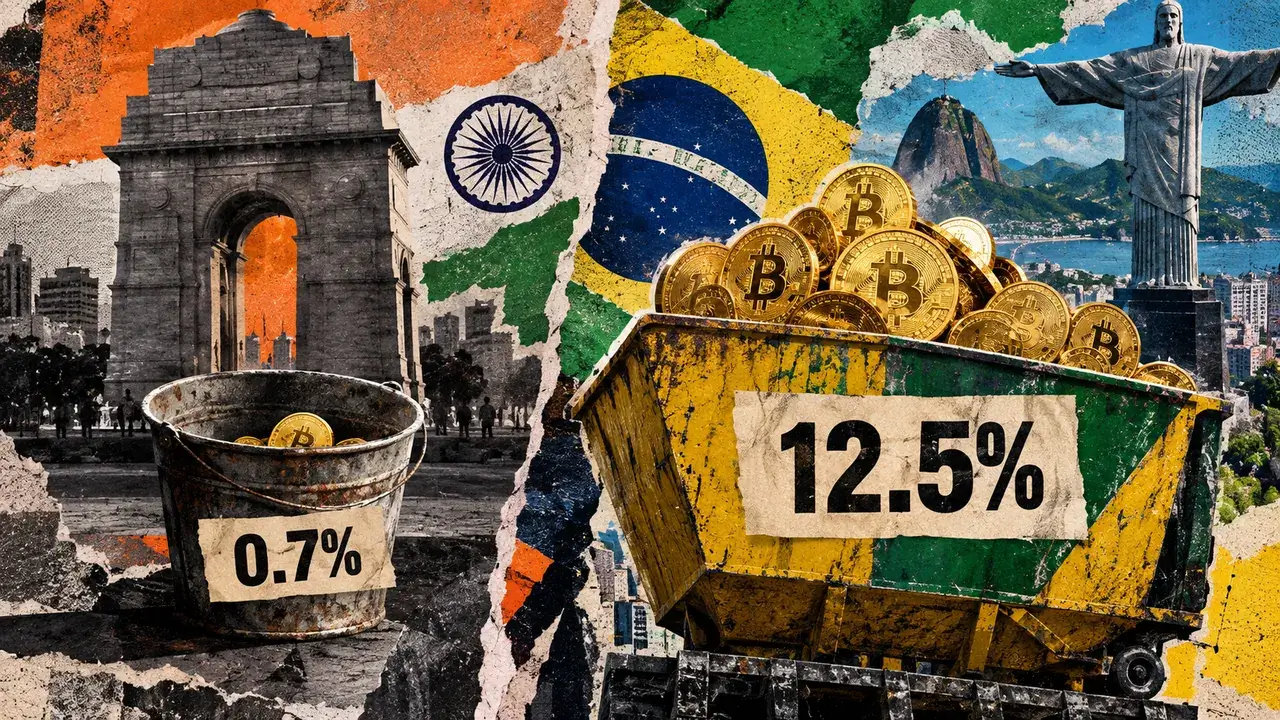
India’s local crypto exchanges get just 0.7% of inflows, Chainalysis reports
India’s crypto users send substantial value to centralized exchanges, but domestic platforms receive just 0.7% of exchange value i...

Chainalysis links most of the stolen XRP in $387M Bitget hack to North Korea
The Bitget hack highlights escalating cyber threats from North Korea, stressing the need for enhanced security measures and rapid...
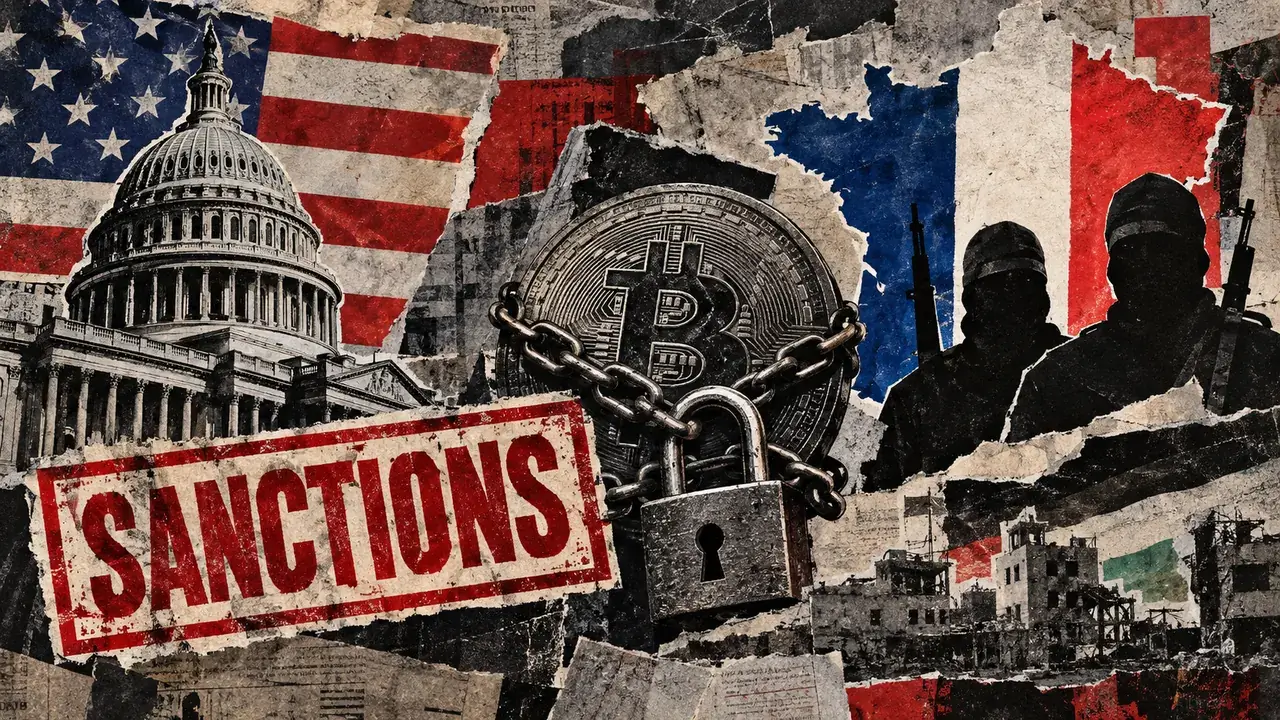
US expands Hamas sanctions after tracing crypto transfers from France
The US sanctioned two French charities and three individuals after alleging they helped channel cryptocurrency and other funds to...

Following the Bitget Hack: BitOK Traces 87.8 BTC as Stolen Funds Reach Mixers
Research and reporting by Alexander Manev, BitOK. Reporting and adaptation by Brave New Coin. Investigators following the Bitget h...

XRP Price Prediction: Ripple Teases Special Announcement in Korea Blockchain Week
XRP price is hovering at $1.52 on October 2, up 1% over 24 hours, as we look toward Ripple’s October 3 appearance in Seoul, which...