Digital Avatars and Ownership: The Future of Virtual Identities
In certain corners of the web, avatars are starting to matter just as much as how someone presents themselves in person. Owning Your Digital Identity As avatars become integral to our online presence, managing and securi...
Archive context
Older archive item. Useful for background and entity history, but not a fresh market-moving signal.

In certain corners of the web, avatars are starting to matter just as much as how someone presents themselves in person.
Owning Your Digital IdentityAs avatars become integral to our online presence, managing and securing our digital assets is more important than ever. Choosing the right tools to protect these assets is crucial. Strong authentication, encrypted storage, watermarks, DeFi tools, cryptowallets, and clear licensing help keep digital assets secure.
As digital personas evolve from playful visuals to powerful personal platforms, securing them becomes not just a safety measure—but a foundation for meaningful expression and enterprise. Backups and restricted platform access add vital long-term protection – and this includes digital wallets.
For those searching for the best crypto wallet 2025, there are many great options offering a user-friendly interface, robust security features, and support for a wide range of cryptocurrencies—making them ideal for both beginners and experienced users. Many top wallets also offer multi-platform access, allowing seamless use across devices. Some include built-in exchange features, making it easy to manage and trade assets in one place. Embracing these tools and resources empowers us to take control of our digital identities, ensuring they are secure, authentic, and truly our own.
More Than Just a SkinWe’ve all seen avatars in games and chat apps. But that’s the old version. These days, they’re morphing into fully interactive, high-res versions of people. Some are uncanny in how much they resemble the real thing. Others go in completely different directions—fantastical, stylised, surreal.
On platforms like Decentraland’s newly enhanced virtual world, digital personas do far more than just exist. They attend live events, host business meetings, showcase and sell digital art, and even build fully-fledged brands. For some users, these avatars remain a creative outlet. For others, they’ve become the core of a serious digital enterprise.
Ownership in a World That Can Copy EverythingHere’s where things get messy. Avatars might be digital, but they carry real creative value—which makes it all the more frustrating how easily they can be copied. A skilled user can clone a look, tweak a few details, and pass it off as their own. Suddenly, a unique identity turns into something anyone can replicate. So how do we prove originality in a space where duplication is so effortless?
Some platforms are trying to answer that. By embedding unique identifiers—digital signatures of sorts—into each avatar, creators are able to trace where their designs originated, when they were minted, and how they’ve been used. It’s like a virtual fingerprint, quietly confirming: “Yes, this is authentic.”
We’re starting to see creative takes on this idea. One example is the DOTphin project’s evolving avatars on Polkadot, which link each identity not just to its creator, but to its impact—tying digital expression to environmental purpose. Right now, it’s mostly being explored by early adopters and Web3 communities. But the interest? It’s spreading. Quickly.
Fluid Identity, Real StakesOne of the most captivating aspects of avatars is the freedom they offer. People reshape themselves—new aesthetics, personalities, even voices. Someone can present as a sharp-suited speaker at a virtual panel in the morning and morph into a luminous alien dancing through a digital skyline by night. That kind of expression isn’t just possible—it’s celebrated.
But freedom comes with a price. As avatars begin to carry influence and economic value, impersonation turns from harmless mimicry into something far more serious. The line between playful performance and real-world identity starts to blur.
We’re already seeing avatar projects exploring this tension more deeply. Take Psilo’s metaverse avatar initiative, which blends digital craftsmanship with a focus on emotional well-being. It highlights how identity in virtual spaces isn’t only about how we look, but how we connect—and what we’re risking.
From Persona to ProductAvatars have evolved into marketable assets—people now buy, sell, and trade digital outfits, animated features, and even full virtual identities. Major brands are entering the space, while artists and celebrities use avatars to perform, engage fans, and extend their creative presence.
But as identity becomes a product, it also becomes vulnerable. Without clear protections, creators can easily lose control—especially when platforms bury ownership clauses deep in their terms of service. Often, the damage is done before users realize what they’ve signed away.
As avatars grow more central to digital experiences and brand-consumer interaction, the need for transparency and creator rights becomes urgent.
No Longer FictionWhat once felt futuristic is now everyday reality. Digital personas are reshaping how we connect and create. From AI influencers sharing content to virtual assistants offering support and artists performing in immersive environments, avatars are becoming central to how we interact online. Many individuals now treat their digital selves like personal brands—refining style, tone, and presence across platforms.
Virtual events, exhibitions, and meetups are no longer outliers. They’ve become mainstream—accessible, engaging, and constantly evolving. And thanks to tools like generative AI, these personas are becoming more realistic, expressive, and impactful.
Of course, as realism improves, so does the need for trust. That’s why new verification solutions are key—not to limit creativity, but to empower it. Being able to confirm digital identity without sacrificing privacy fosters both security and recognition.
The Era Is Already HereVirtual identities are no longer futuristic—they’re already part of daily life. From meetings and concerts to therapy sessions, avatars are everywhere. As tech and culture evolve, so do the questions: What do we own? What deserves protection?
Our digital selves carry real value. They reflect who we are—and who we want to be. Because identity, in any form, should be ours to protect. The future won’t wait for us to catch up. It’s time to claim and safeguard what we’ve already built.
Why this matters
This research story adds another data point to the current market tape and is useful when read alongside nearby source coverage.
Original source
Read on Brave New CoinRelated market context
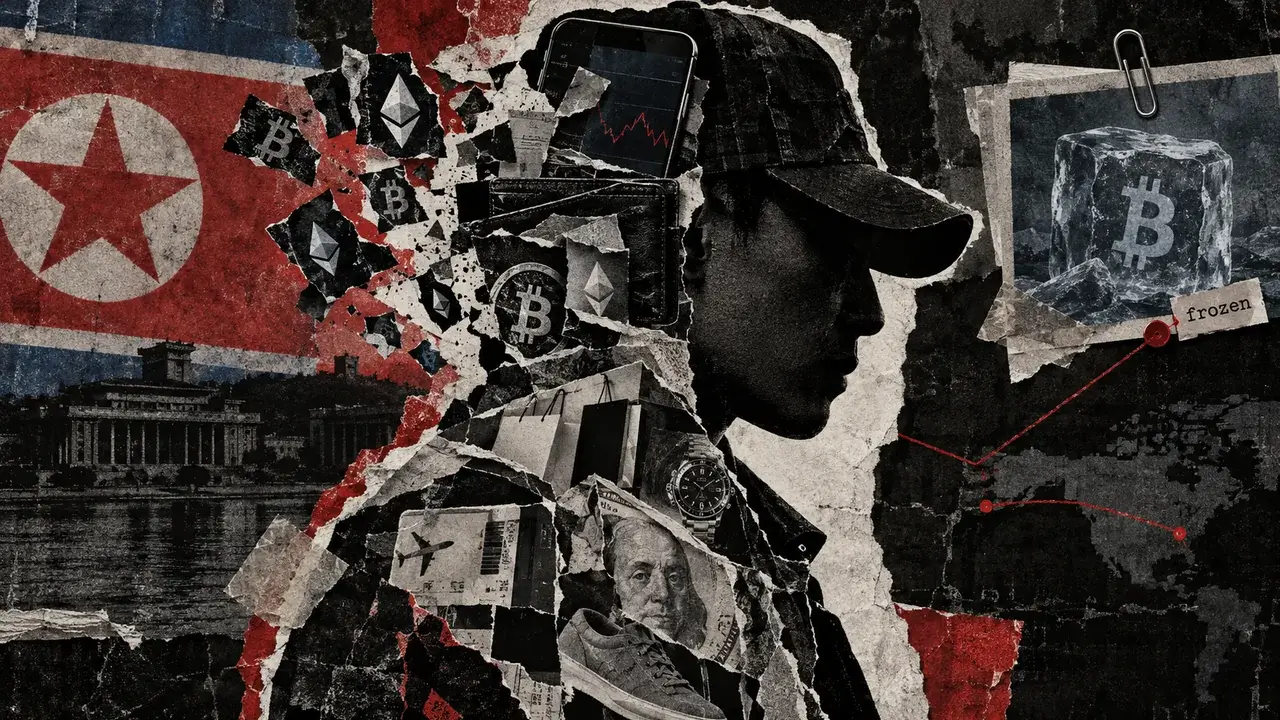
Stealing $1.5B in crypto is easy, cashing out is the trap
North Korean hackers stole around $1.5 billion from Bybit in February 2025. While the hack itself has been widely covered and anal...
Citrini Research Says Tokenized Assets and AI Agents Make Crypto a Fundamentals Trade
Citrini Research published a report on Thursday arguing that AI agents and tokenized assets have opened a new paradigm of “fundame...
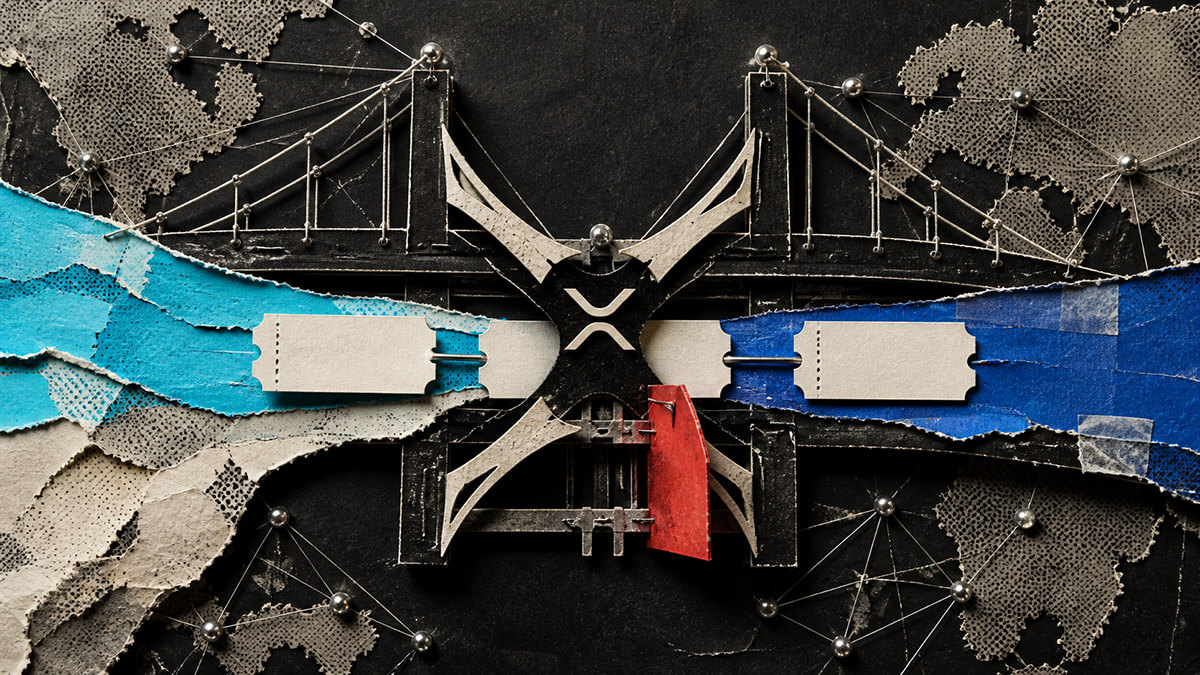
Why XRP’s 63 billion circulating tokens don’t tell buyers what’s for sale
For XRP buyers, available supply depends on the price they are willing to pay. The token's roughly 63.09 billion circulating suppl...
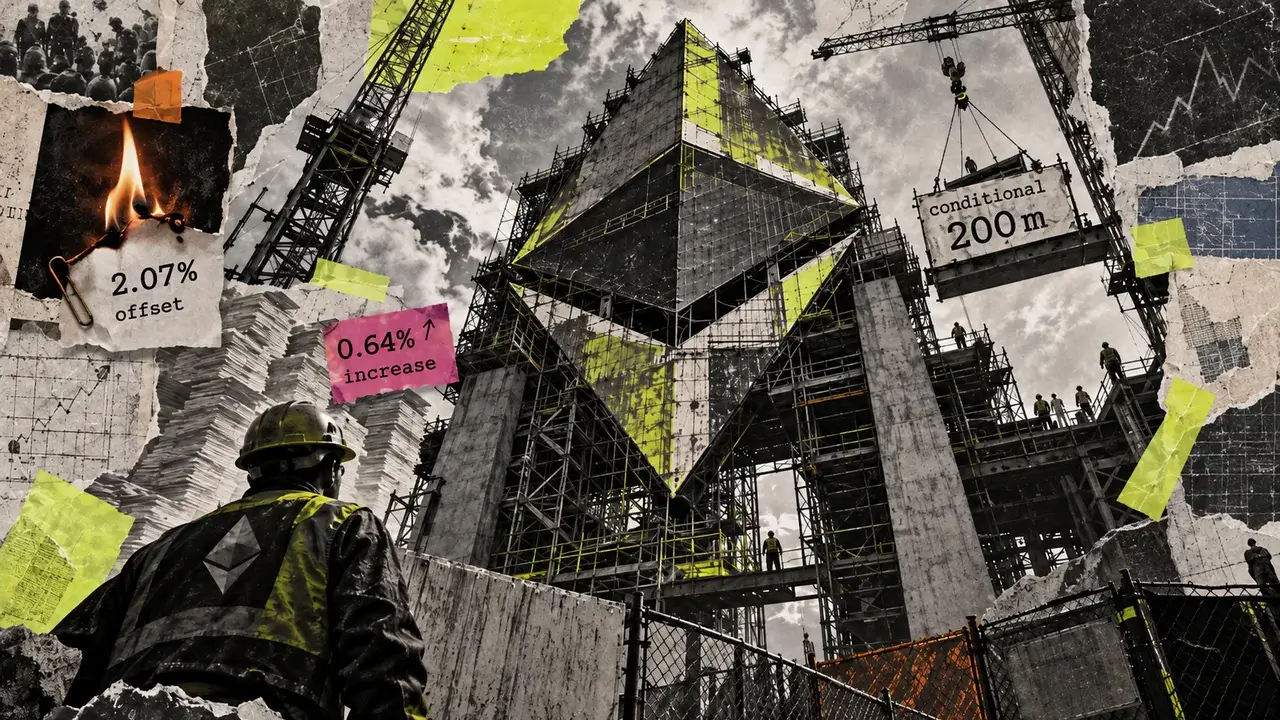
ETH fee burns cover just 2% of new coins printed in 2026
Ethereum's transaction fees have burned enough ETH to offset just 2.07% of the new coins issued in 2026, according to an Oct. 9 su...

What Is Crypto Spot Trading?
For example, a token can be up 70% and still be a terrible trade if you have no idea when to take profits. Likewise, a 30% dip can...

Bitcoin Life Insurer Meanwhile Raises $37.5M as Wealthy Families Look to Pass On Their BTC
Bitcoin Magazine Bitcoin Life Insurer Meanwhile Raises $37.5M as Wealthy Families Look to Pass On Their BTC Meanwhile, the first l...