Do Kwon Poised to Change Plea in U.S. Criminal Case, Marking Potential Turning Point in Crypto Prosecution
In an order issued Monday, Judge Paul Engelmayer of the U.S. District Court for the Southern District of New York directed Kwon and his legal team to appear in court, stating that the defendant “may enter a change of ple...
Archive context
Older archive item. Useful for background and entity history, but not a fresh market-moving signal.

In an order issued Monday, Judge Paul Engelmayer of the U.S. District Court for the Southern District of New York directed Kwon and his legal team to appear in court, stating that the defendant “may enter a change of plea.” The judge instructed Kwon to be prepared to deliver a detailed narrative allocution — a formal statement in court outlining the facts that satisfy all elements of the offenses to which he intends to plead guilty.
From Not Guilty to Possible Plea DealKwon initially pleaded not guilty in January to nine felony counts, including securities fraud, market manipulation, wire fraud, and money laundering. His indictment followed a months-long extradition process from Montenegro, where he was detained in March 2023 after attempting to travel with falsified documents.
The charges stem from the dramatic collapse of the Terra blockchain ecosystem in May 2022. Terra’s algorithmic stablecoin, TerraUSD (UST), lost its peg to the U.S. dollar, setting off a chain reaction that wiped out more than $40 billion in market value. The failure sent shockwaves through the global digital asset market, erasing fortunes overnight and accelerating calls for tighter regulation of the cryptocurrency sector.
Prosecutors allege that Kwon misled investors about the stability of UST and the health of the Terra ecosystem, while engaging in deceptive market practices to artificially support its value. His defense team has maintained that the collapse was a market failure rather than the result of fraud.
The court has been advised of a change in plea, source: X
Why Now?The timing of Kwon’s possible plea change is notable. His trial is currently scheduled for January 2026, leaving nearly a year before jury selection begins. A plea at this stage could be part of a negotiated settlement aimed at avoiding a lengthy and complex trial that would involve extensive technical evidence and testimony from blockchain experts, investors, and regulators.
Legal analysts suggest that a plea deal could result in reduced charges or a lighter sentence in exchange for cooperation, potentially including testimony in related investigations or cases. It could also spare the court — and the crypto industry — a prolonged, highly publicized trial that would revisit in detail the collapse of Terra and its ripple effects across the market.
Broader Industry ImplicationsKwon’s case is one of several high-profile prosecutions targeting crypto executives in the wake of major platform failures, including the conviction of former FTX CEO Sam Bankman-Fried. For regulators and policymakers, these cases have become rallying points in the debate over how digital assets should be policed and whether existing securities laws are adequate to govern decentralized finance.
The outcome of Kwon’s case — particularly if it involves an admission of wrongdoing — could strengthen the hand of U.S. agencies seeking to assert broader authority over the crypto sector. It may also influence legislative momentum behind proposed digital asset laws, including stablecoin-specific regulations currently under consideration in Congress.
What’s NextWednesday’s hearing is expected to clarify whether Kwon will plead guilty to some or all charges, and on what terms. Should he change his plea, the court would set a date for sentencing and outline any agreements reached with prosecutors. If not, preparations will continue for the 2026 trial, which promises to be one of the most consequential legal showdowns in the history of the cryptocurrency industry.
Regardless of the outcome, the case underscores the increasing intersection between blockchain innovation and traditional financial law — and the risks faced by those seeking to build disruptive technologies outside established regulatory frameworks.
Why this matters
This research story adds another data point to the current market tape and is useful when read alongside nearby source coverage.
Original source
Read on Brave New CoinRelated market context
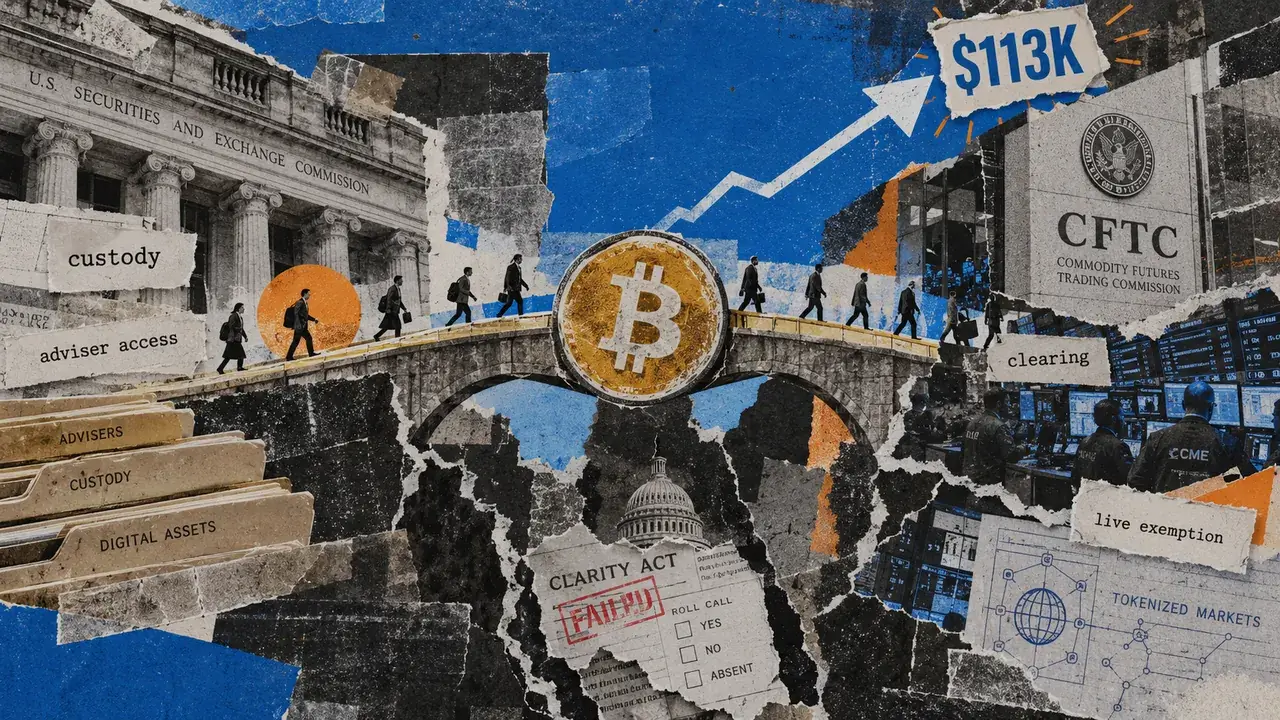
Bitcoin’s $113,000 case strengthens as US regulators push 9 crypto actions
The US Securities and Exchange Commission (SEC) proposed a custody framework on Oct. 1 that would let investment advisers and regu...
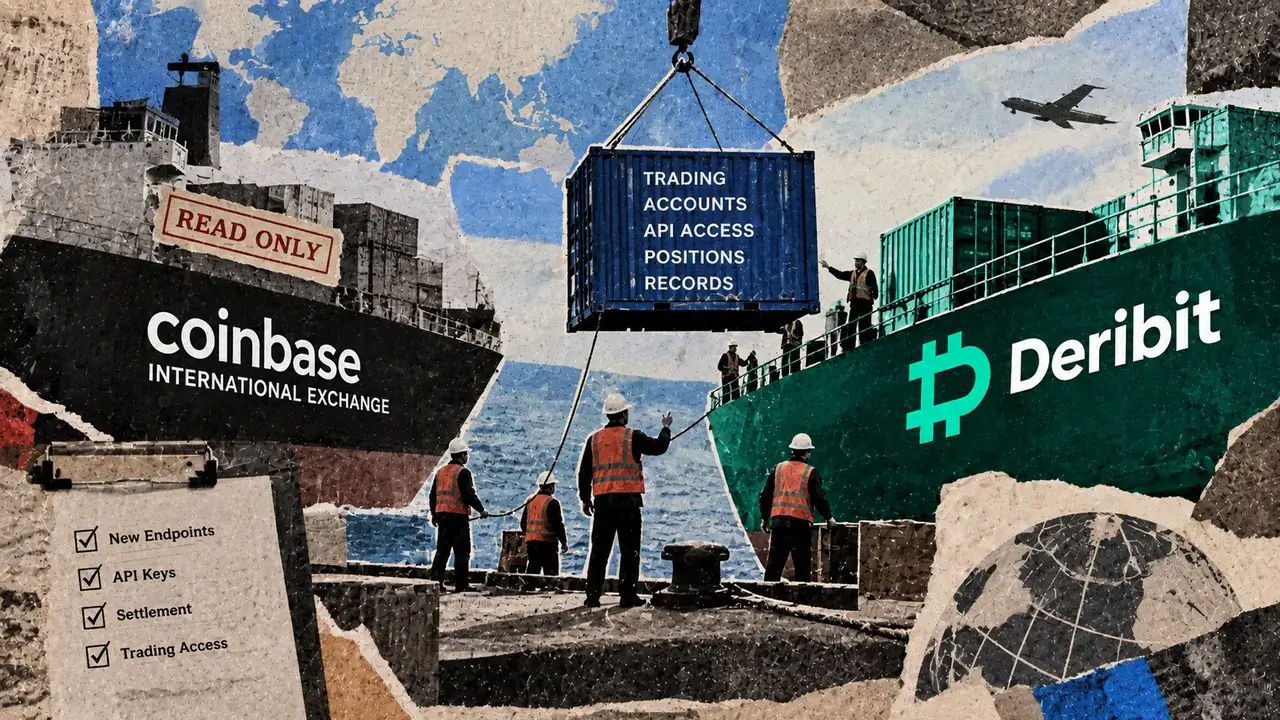
Coinbase completes Deribit switch, ending International Exchange trading
Coinbase completed the migration of Coinbase International Exchange to Deribit on Oct. 1, ending trading on its former internation...

Robinhood Wallet Can Now Route Stock Token Trades Through the Arcus Exchange
Swaps of Stock Tokens in Robinhood Wallet can now be filled through Arcus, a decentralized exchange from the team that built dYdX,...

Following the Bitget Hack: BitOK Traces 87.8 BTC as Stolen Funds Reach Mixers
Research and reporting by Alexander Manev, BitOK. Reporting and adaptation by Brave New Coin. Investigators following the Bitget h...
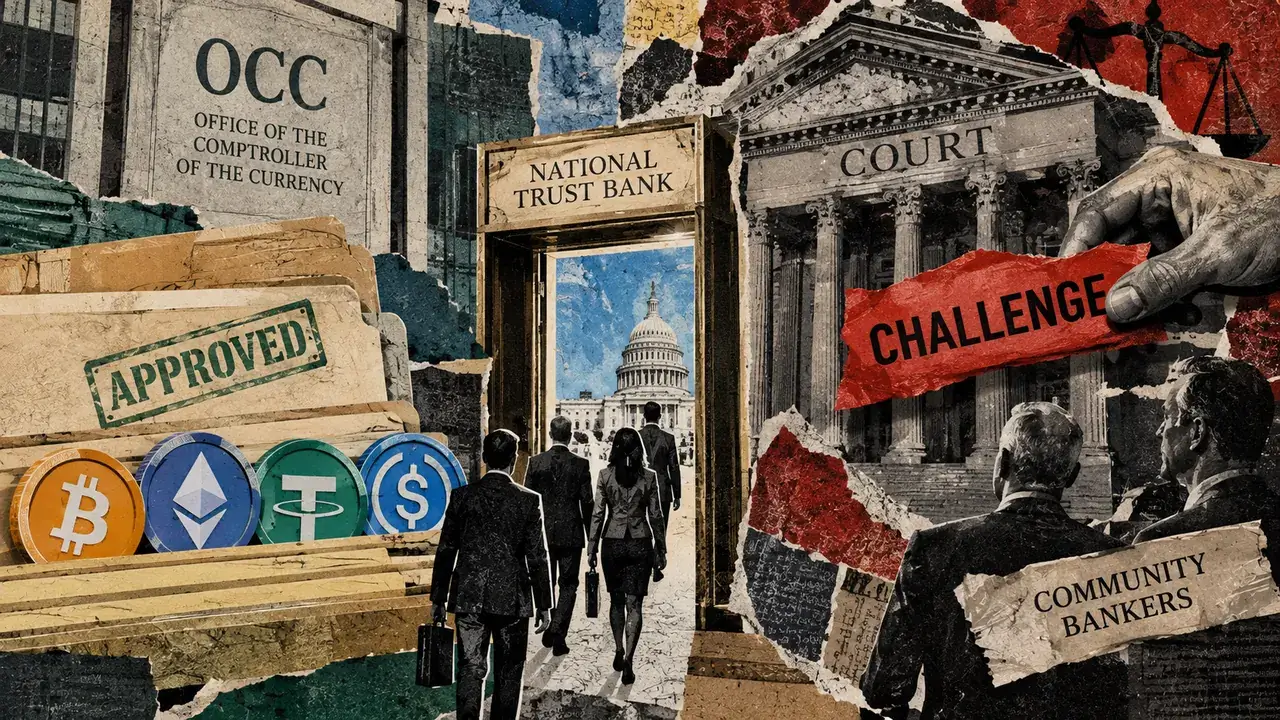
Bankers sue to overturn OCC trust-bank rule used by crypto firms
The Independent Community Bankers of America sued the OCC in federal court in Washington on Oct. 2, two weeks after the agency app...
Central Bank of Iran plans to block rial accounts tied to crypto exchanges
Iran's crypto restrictions could stifle local exchanges, complicate rial-to-crypto conversions, and heighten economic isolation am...