dRPC – All Data From Any Blockchain In One Place
Why you should listen dRPC (decentralized Remote Procedure Call) is a protocol designed to facilitate secure and efficient communication between decentralized applications (dApps) and blockchain networks. It enables dAp...
Archive context
Older archive item. Useful for background and entity history, but not a fresh market-moving signal.

dRPC (decentralized Remote Procedure Call) is a protocol designed to facilitate secure and efficient communication between decentralized applications (dApps) and blockchain networks. It enables dApps to interact with blockchain nodes in a decentralized manner, reducing reliance on centralized infrastructure and enhancing the resilience and censorship resistance of blockchain ecosystems.
Traditional RPC systems depend on centralized servers to handle requests from clients to blockchain nodes. This centralization can introduce single points of failure and potential vulnerabilities. dRPC addresses these issues by distributing the RPC infrastructure across multiple nodes, ensuring that dApps can access blockchain data and services even if some nodes become unavailable.
The dRPC protocol incorporates mechanisms for node discovery, load balancing, and failover, allowing dApps to dynamically select the most appropriate nodes for their requests. This dynamic selection enhances performance and reliability, as dApps can route requests to nodes with the lowest latency or highest availability.
Security is a core focus of dRPC. The protocol includes authentication and encryption features to protect data integrity and confidentiality during communication between dApps and nodes. By leveraging decentralized identity systems and cryptographic techniques, dRPC ensures that only authorized parties can access and interact with blockchain services.
The dRPC ecosystem is designed to be interoperable. It supports multiple blockchain networks and can be integrated with various dApp frameworks and development environments. This flexibility allows developers to build cross-chain applications and services that can interact with different blockchains through a unified interface.
dRPC provides a decentralized, secure, and efficient mechanism for dApps to communicate with blockchain networks. By eliminating centralized intermediaries and enhancing the robustness of RPC infrastructure, dRPC contributes to the scalability and sustainability of decentralized applications and services.
Supporting linksIf you enjoyed the show please subscribe to the Crypto Conversation and give us a 5-star rating and a positive review in whatever podcast app you are using.
Why this matters
This research story adds another data point to the current market tape and is useful when read alongside nearby source coverage.
Original source
Read on Brave New CoinRelated market context
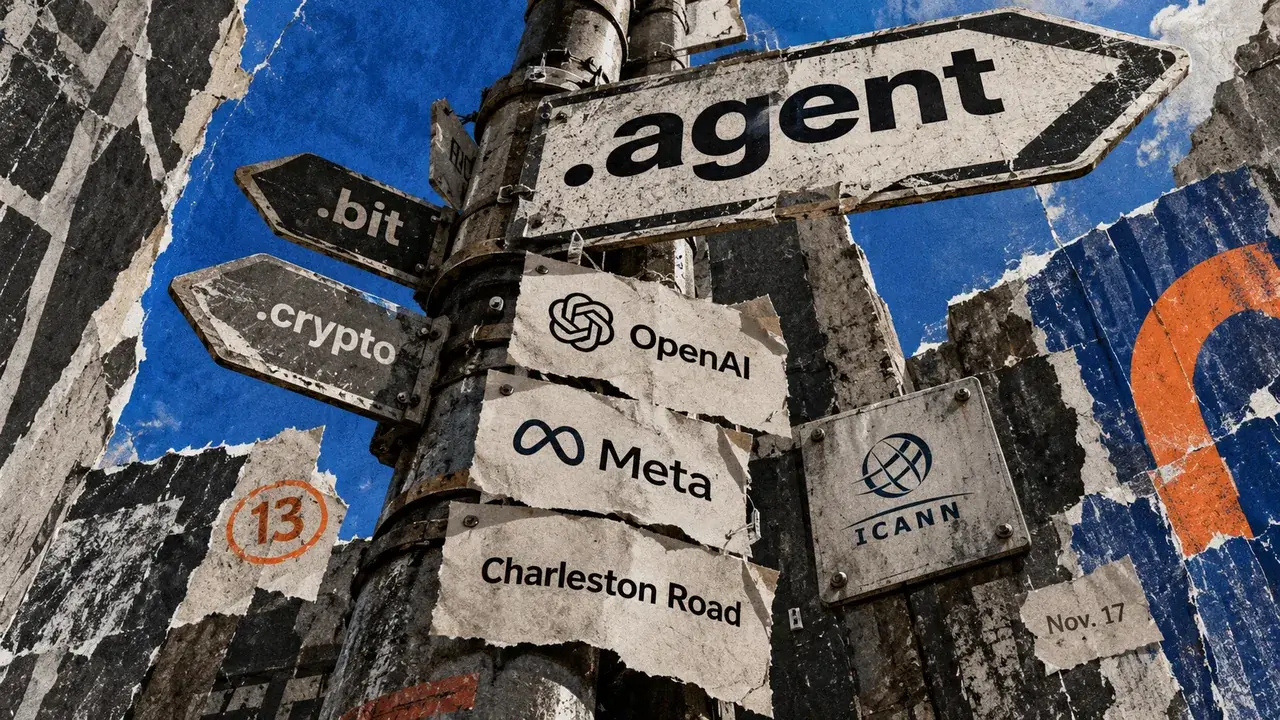
OpenAI, Google and Meta battle for AI internet domains as crypto firms target .bitcoin and .wallet
OpenAI, Google, and Meta are competing for AI-related internet domains as cryptocurrency firms pursue their own digital naming rig...

LiquidAcre Selects Uphold to Power Digital Asset Infrastructure and Future Tokenized Real Estate Offerings
LiquidAcre, a financial technology company building a platform designed to expand access to real-world assets and digital financia...

Europol says crypto’s quantum upgrade could take years and urges work to start now
Europol, the EU’s law enforcement agency, is urging the cryptocurrency industry to begin preparing wallet and protocol upgrades fo...

Sui’s Hashi Bitcoin Finance Network Launches With More Than $500 Million Committed
TL;DR: Hashi, Sui’s native Bitcoin finance infrastructure, will begin a phased mainnet rollout later this month with more than $50...

EDX Markets and VerifiedX Partner to Bring Verified Bitcoin (vBTC) to Institutional Markets
Bitcoin Magazine EDX Markets and VerifiedX Partner to Bring Verified Bitcoin (vBTC) to Institutional Markets VerifiedX (verifiedx....

Stealing $1.5B in crypto is easy, cashing out is the trap
North Korean hackers stole around $1.5 billion from Bybit in February 2025. While the hack itself has been widely covered and anal...