EU watchdogs scrutinizing OKX over $100M in Bybit laundered funds: Report
European Union regulators are reportedly looking into a service offered by crypto exchange OKX that may have played a role in the laundering of $100 million in funds from the Bybit hack, according to Bloomberg.A March 11...
Archive context
Older archive item. Useful for background and entity history, but not a fresh market-moving signal.

European Union regulators are reportedly looking into a service offered by crypto exchange OKX that may have played a role in the laundering of $100 million in funds from the Bybit hack, according to Bloomberg.
A March 11 Bloomberg report citing people familiar with the matter claims that national watchdogs from the EU’s member states discussed the issue during a March 6 meeting hosted by the European Securities and Markets Authority’s Digital Finance Standing Committee. The issue appears to be OKX’s decentralized finance platform and wallet service.
On Jan. 27, OKX announced that it had secured a full Markets in Crypto-Assets (MiCA) license to operate across all EU member states under a unified regulatory framework. The question for EU regulators is whether two OKX services fall under the MiCA framework and, if so, whether the exchange could be penalized.
According to Bybit CEO Ben Zhou, nearly $100 million, or 40,233 Ether (ETH), from the $1.5 billion hack had been laundered through OKX’s Web3 proxy, with a portion of the funds now untraceable.
OKX’s wallet service has reached 53 million addresses and is able to connect to 100 blockchains. Fully decentralized platforms may be exempt from MiCA regulation, but according to the Bloomberg report, regulators from at least Austria and Croatia said OKX’s Web3 service should fall under EU rules.
Related: Bybit hacker launders 100% of stolen $1.4B crypto in 10 days
OKX denies EU investigationIn a statement posted to X, OKX refuted the claim there were any ongoing investigations by the EU, adding that “Bybit’s statements are spreading misinformation” and defending its Web3 wallet services.
Source: OKX
Haider Rafique, OKX Global’s chief marketing officer, added his own take: “We spoke to Bloomberg today and provided our statement refuting some of the alleged claims. It is preposterous to suggest that WE as a company would be involved in laundering stolen funds.”
The theft of $1.5 billion in ETH and ETH-related tokens from Bybit is the largest crypto hack to date. Crypto investigators have said that the Lazarus Group, a North Korean hacking ring, was responsible for the attack. According to Zhou, who declared war on the Lazarus Group after the hack, 3% of the stolen funds have been frozen, while 20% have gone dark.
Magazine: Lazarus Group’s favorite exploit revealed — Crypto hacks analysis
Why this matters
This research story adds another data point to the current market tape and is useful when read alongside nearby source coverage.
Original source
Read on CointelegraphRelated market context
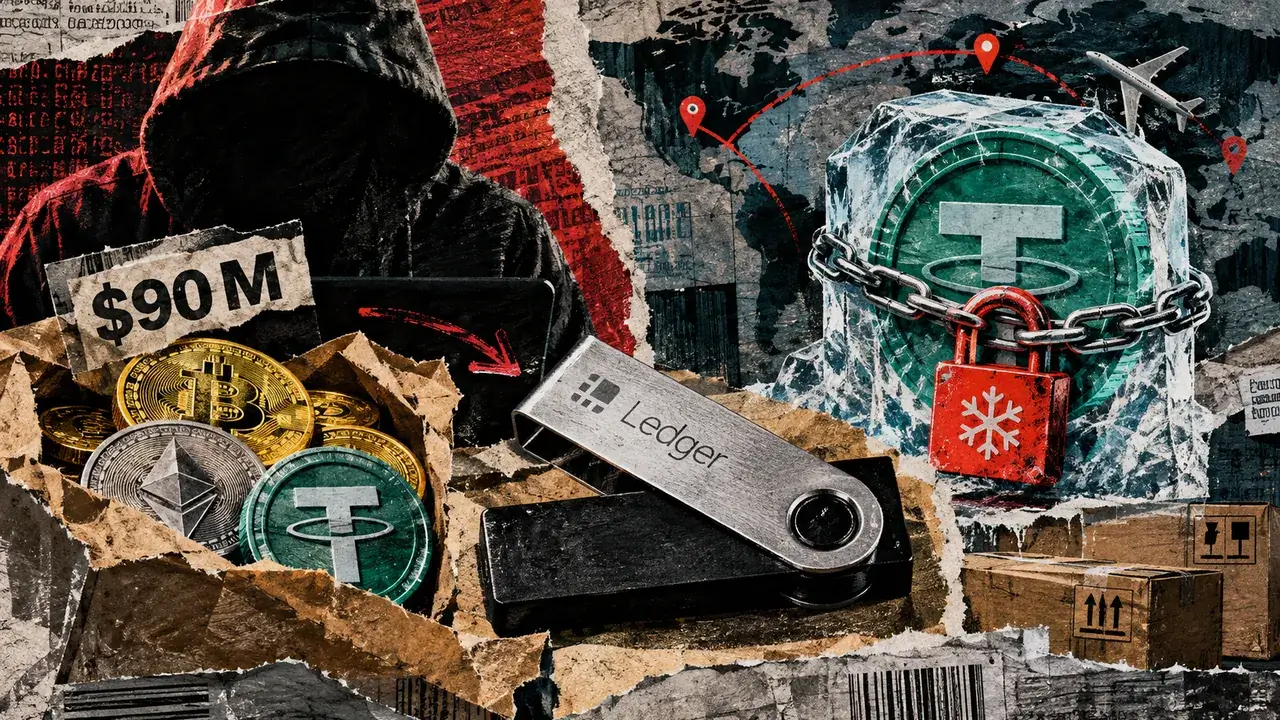
Ledger hack scare nears $90 million as Tether moves to freeze stolen USDT
Suspected Ledger wallet thefts are approaching $90 million as Tether freezes USDT stablecoin linked to the incident, according to...
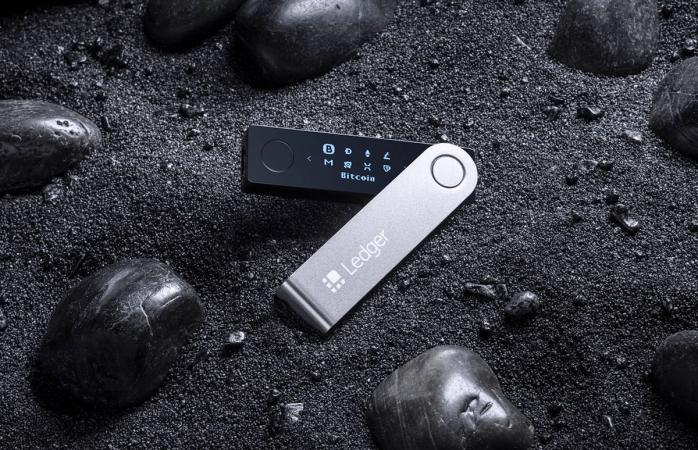
Ledger investigates potential wallet tampering after reports of $86 million in crypto stolen
The hardware wallet maker said it is investigating devices sold by a Southeast Asian reseller as social posts swirl about crypto a...

Stealing $1.5B in crypto is easy, cashing out is the trap
North Korean hackers stole around $1.5 billion from Bybit in February 2025. While the hack itself has been widely covered and anal...

Bitcoin holder loses 80 BTC worth $5.2 million after moving funds to reseller-bought Ledger
The incident underscores the critical importance of purchasing hardware wallets from official sources to ensure asset security. Th...

Locked liquidity did not stop this $14 million crypto pool drain
The PancakeSwap pool for 79AU, 79thVault’s token, lost $14.35 million in USDT on Oct. 7 through two selling wallets, according to...

U.S. Government Sends $1 Billion in Seized Bitfinex Bitcoin to Unlabeled Wallets
A wallet holding bitcoin stolen in the 2016 Bitfinex hack sent 12,267 BTC, worth about $1.01 billion, to new addresses on Thursday...