FDIC Urged Banks to ‘Pause’ Crypto Activities, Court Documents Reveal
The documents show the FDIC addressed letters to the boards of unnamed financial institutions, instructing them to “pause all crypto asset-related activity” due to regulatory uncertainty surrounding digital assets. The l...
Archive context
Older archive item. Useful for background and entity history, but not a fresh market-moving signal.

The documents show the FDIC addressed letters to the boards of unnamed financial institutions, instructing them to “pause all crypto asset-related activity” due to regulatory uncertainty surrounding digital assets. The letters assured the banks that the FDIC would issue further guidance once supervisory expectations and regulatory filings for crypto activities were clarified.
An excerpt from one of the letters reads:
“The FDIC will notify all FDIC-supervised banks at a later date when a determination has been made on the supervisory expectations for engaging in a crypto asset-related activity.”
These revelations stem from a FOIA lawsuit filed by History Associates in June 2023. The lawsuit followed the FDIC’s refusal to fulfill a FOIA request submitted on behalf of Coinbase, the largest U.S.-based cryptocurrency exchange. Coinbase sought access to information regarding alleged efforts to debank crypto firms.
Conspiracy Theory or Policy?Coinbase’s Chief Legal Officer, Paul Grewal, took to X on Dec. 6 to claim the letters provide hard evidence that the U.S. government had engaged in coordinated efforts to hinder crypto-related banking.
“The letters show Operation Chokepoint 2.0 wasn’t just some crypto conspiracy theory. The FDIC is still hiding behind way overbroad redactions,” Grewal asserted.
The term Operation Chokepoint 2.0 is used within the crypto industry to describe a perceived government campaign aimed at pressuring banks to sever ties with digital asset firms. It draws parallels to the original Operation Choke Point (2013–2017), during which U.S. regulators scrutinized financial institutions dealing with industries deemed high-risk, such as payday lenders.
Source: X
Fallout and Industry BacklashIn 2023, multiple high-profile cryptocurrency executives reported being informed by their banks that their accounts were being closed due to their associations with digital assets. These incidents fueled speculation about a coordinated effort to restrict the crypto industry’s access to traditional financial infrastructure.
Coinbase CEO Brian Armstrong highlighted the ongoing FOIA lawsuit in November, suggesting the documents could reveal whether any government officials acted unlawfully in targeting crypto-related firms.
“This is about transparency and holding regulatory bodies accountable,” Armstrong said in a public statement.
Incoming Crypto and AI Czar David Sacks says he’ll investigate.
Source: X
The Broader ImplicationsThis disclosure comes amid heightened scrutiny of the FDIC and its leadership. Martin Gruenberg, the current FDIC chair, is set to retire on January 19, 2025, just one day before the incoming administration led by Donald Trump assumes office. While Trump has yet to announce a successor, the appointment could significantly impact the FDIC’s stance on cryptocurrency-related activities.
The timing of these developments raises questions about the long-term viability of crypto businesses within the U.S. financial system. Critics argue that regulatory overreach could stifle innovation in the burgeoning Web3 and blockchain space.
ConclusionThe FDIC’s “pause letters” add fuel to the ongoing debate about the role of regulators in shaping the future of cryptocurrency. As legal battles unfold and regulatory leadership transitions, the crypto industry will closely watch how these actions influence access to financial services and the broader perception of digital assets in the United States. Whether these actions reflect necessary caution or unwarranted suppression remains a contentious issue for policymakers, businesses, and consumers alike.
Why this matters
This research story adds another data point to the current market tape and is useful when read alongside nearby source coverage.
Original source
Read on Brave New CoinRelated market context

From TOKEN2049 to Ecosystem Co-Building: HTX Advances Its Multifaceted Engagement Across the Global Crypto Industry
Singapore, October 12, 2026 – From October 6 to 8, the global crypto industry turned its attention to Singapore for TOKEN2049, a m...
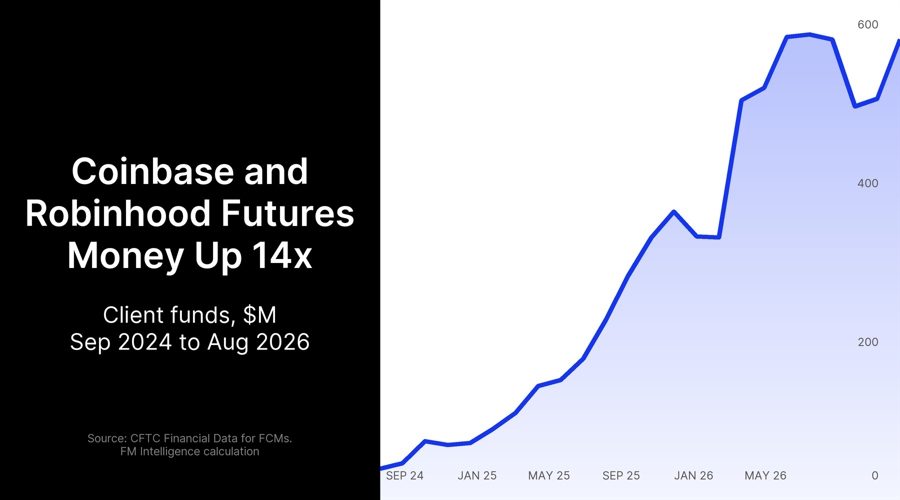
Coinbase and Robinhood Futures Arms Now Hold More Client Money Than the US Retail Forex Pool
The futures brokers of Coinbase and Robinhood held $581.4 million of segregated client money at the end of August. That is more th...

Evernorth XRP Treasury Merger Brings 473 Million XRP to Nasdaq as XRPN Debuts October 12
The transaction gives public-market investors another route to gain exposure to XRP through a company that actively manages its di...

Standard Chartered brings Ripple’s RLUSD into banking custody after $765 million quarterly surge
Standard Chartered has launched custody for Ripple's RLUSD stablecoin as it prepares to expand its use as collateral for instituti...
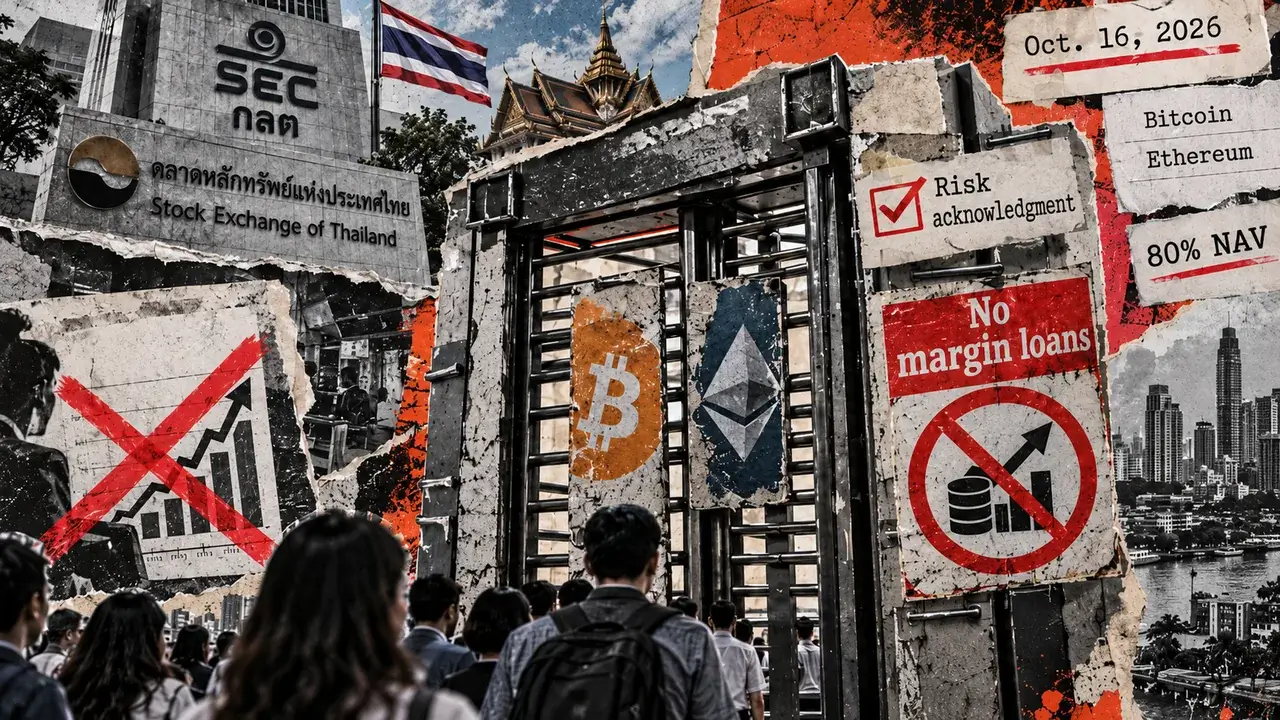
Thailand wants a piece of the $120 billion Bitcoin and Ethereum ETF market, but on its own terms
Thailand has finalized rules allowing domestic Bitcoin and Ethereum ETFs while restricting retail access to competing overseas inv...

Financial Stability Board warns of untested stablecoin risks in crises
The FSB's warning highlights the urgent need for robust global regulatory frameworks to manage stablecoin risks and ensure financi...