Federal Reserve Ends Special Crypto Oversight Program, Moves Digital Asset Supervision Back to Standard Process
The Novel Activities Supervision Program lasted just two years. The Fed created it in August 2023 to watch banks that work with crypto companies and blockchain technology. “Since the Board started its program to supervis...
Archive context
Older archive item. Useful for background and entity history, but not a fresh market-moving signal.

The Novel Activities Supervision Program lasted just two years. The Fed created it in August 2023 to watch banks that work with crypto companies and blockchain technology.
“Since the Board started its program to supervise certain crypto and fintech activities in banks, the Board has strengthened its understanding of those activities, related risks, and bank risk management practices,” the Fed said in its announcement.
What the Program DidThe special program kept close watch on four main areas of banking:
Crypto-related services – Banks that offered crypto custody, crypto-backed loans, crypto trading help, and stablecoin creation or distribution.
Tech partnerships – Complex deals between banks and non-bank companies that used automated systems to provide banking services to customers.
Blockchain projects – Banks exploring distributed ledger technology for things like digital tokens and turning traditional assets into digital form.
Crypto-focused banking – Banks that mainly served crypto companies and fintech firms with standard services like deposits, payments, and loans.
The program was “risk-focused” and worked alongside existing bank supervision teams rather than creating separate oversight groups. Banks in the program received written notice and faced regular examinations of their crypto activities.
Banks Can Now Use Normal ChannelsThe Fed’s decision means banks no longer need special approval for crypto activities. The central bank believes it now understands digital asset risks well enough to handle them through standard supervision.
Source:@federalreserve
This change removes what many saw as extra red tape. Banks previously had to prove they could safely handle crypto activities before getting the green light. Now they can proceed under normal banking rules as long as they follow existing safety and compliance requirements.
The move affects all Federal Reserve-supervised banks, including state member banks and bank holding companies. These institutions can now pursue crypto business without waiting for specialized review.
Part of Broader Policy ShiftThe Fed’s action fits into a larger change in how U.S. regulators treat digital assets. Since President Trump returned to office in January 2025, government agencies have taken a softer approach to crypto regulation.
The Securities and Exchange Commission has dropped several investigations into crypto companies. The Office of the Comptroller of the Currency removed requirements for banks to get advance approval for certain crypto activities. The Federal Deposit Insurance Corporation has also relaxed some crypto-related restrictions.
This coordinated move by banking regulators signals the end of what the crypto industry called “Operation Chokepoint 2.0” – alleged government pressure on banks to cut ties with digital asset companies.
The Trump administration has pushed to make America the global leader in digital assets. In March 2025, Trump signed an executive order creating a Strategic Bitcoin Reserve using government-seized cryptocurrency.
Legislative Progress on Digital AssetsCongress is working on new laws to provide clear rules for the crypto industry. The GENIUS Act would create federal standards for stablecoins – digital tokens tied to the U.S. dollar. The CLARITY Act aims to define which digital assets count as securities versus commodities.
Senator Cynthia Lummis now chairs the Senate Subcommittee on Digital Assets. Her Bitcoin Reserve proposal would have the government buy one million bitcoins over five years.
White House crypto advisor David Sacks said July 2025 would bring major progress on crypto legislation. The administration wants to pass both the GENIUS and CLARITY bills to provide long-awaited regulatory clarity.
Industry Response and ImpactThe crypto industry has welcomed the Fed’s decision as a sign that digital assets are becoming mainstream. Removing the special oversight program suggests regulators now view crypto activities as normal banking business rather than high-risk experiments.
Banks can now offer crypto services without facing extra scrutiny or lengthy approval processes. This should make it easier for traditional financial institutions to serve crypto companies and individual customers who want digital asset services.
The change also removes uncertainty that has kept some banks away from the crypto space. Many institutions were hesitant to work with digital asset companies due to unclear regulatory expectations and the risk of enhanced supervision.
However, banks still must follow all existing safety and soundness requirements. They need proper risk management, anti-money laundering controls, and compliance programs. The Fed will continue monitoring these activities through its standard examination process.
Looking ForwardThe Fed’s action marks a significant shift in U.S. crypto regulation. After years of strict oversight and regulatory uncertainty, the government is moving toward treating digital assets as a normal part of the financial system.
This change should boost bank participation in crypto markets and make it easier for Americans to access digital asset services through traditional financial institutions. It also positions the U.S. to compete globally as other countries develop their own crypto-friendly policies.
Why this matters
This research story adds another data point to the current market tape and is useful when read alongside nearby source coverage.
Original source
Read on Brave New CoinRelated market context

American Bankers Sue OCC Over Crypto Bank Charters, Challenging Coinbase and Circle
The lawsuit, filed October 2 in the U.S. District Court for the District of Columbia, puts the growing role of crypto firms within...
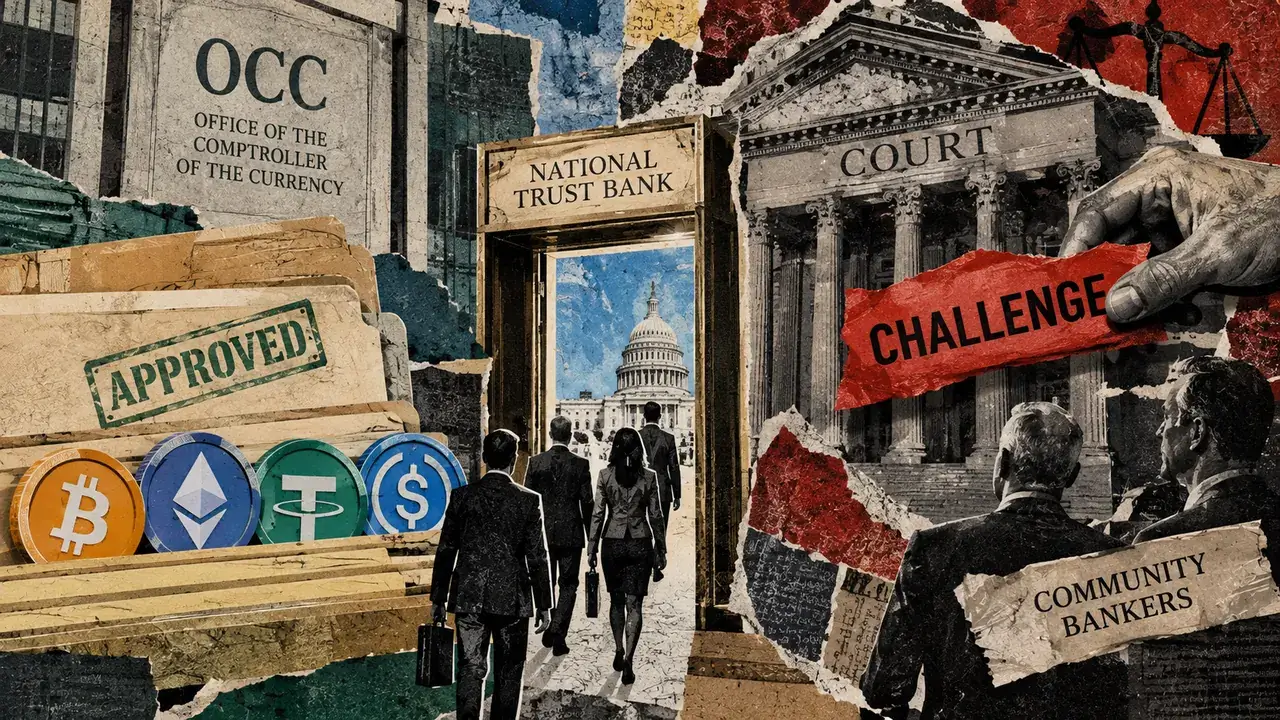
Bankers sue to overturn OCC trust-bank rule used by crypto firms
The Independent Community Bankers of America sued the OCC in federal court in Washington on Oct. 2, two weeks after the agency app...

Hester Peirce departs SEC after years of advocating for digital assets
Peirce's departure leaves the SEC with a narrowed perspective, potentially impacting future crypto regulation and innovation initi...

South Africa’s Absa Becomes First Bank on the Continent to Custody Bitcoin: Report
Bitcoin Magazine South Africa’s Absa Becomes First Bank on the Continent to Custody Bitcoin: Report South African bank Absa has be...

The Next Generation of Banking: W Group Connects Web2 and Web3
W Group is pleased to share the next stage in the development of hashbank, a fully licensed universal digital bank that combines t...

Japan sanctions Garantex, freezing assets of exchange tied to $96B in crypto transactions
Japan's sanctions on Garantex highlight global efforts to curb illicit crypto activities, emphasizing increased compliance burdens...