Gold ETF or Digital Gold? What Investors Need To Know
Alongside traditional gold ETFs like SPDR Gold Shares (GLD) or iShares Gold Trust (IAU), there is a new breed of blockchain-based gold instruments—most notably PAX Gold (PAXG) and Tether Gold (XAUT). These gold-backed cr...
Archive context
Older archive item. Useful for background and entity history, but not a fresh market-moving signal.

Alongside traditional gold ETFs like SPDR Gold Shares (GLD) or iShares Gold Trust (IAU), there is a new breed of blockchain-based gold instruments—most notably PAX Gold (PAXG) and Tether Gold (XAUT). These gold-backed cryptocurrencies offer direct exposure to physical gold while leveraging the programmability and portability of blockchain.
Choose Digital Gold Like PAXG or XAUT if;
-
You want programmable gold exposure or plan to use it in DeFi
-
You prefer 24/7 liquidity
-
You may want physical delivery of your gold
Choose Gold ETFs if;
-
You value strong regulatory oversight and simplicity
-
You want to invest through your retirement account or brokerage
-
You are unfamiliar with crypto wallet security
XAUT, issued by Tether, is backed by physical gold stored in secure vaults in Switzerland under Tether’s direct management. In contrast, PAXG, created by Paxos Trust Company, is backed by physical gold held in London vaults approved by the London Bullion Market Association (LBMA), with Paxos acting as the custodian. Both operate primarily as ERC-20 tokens on the Ethereum blockchain, although XAUT is also available on the TRON network.
Key distinctions between the two lie in their regulatory oversight, with PAXG operating under the very stringent regulation of the New York State Department of Financial Services (NYDFS) offering a level of legal oversight and monthly third-party audits.
Tether Gold (XAUT), on the other hand, is issued by TG Commodities Ltd, which is not directly regulated in the United States but includes gold holdings in Tether’s regular reserve attestations audited by BDO Italia. XAUT is licensed in El Salvador. Thus transparency differs, with PAXG undergoing monthly audits by reputable accounting firms, while XAUT provides quarterly assurance opinions. El Salvadorian President Nayib Bukele’s recent public mocking of orders from the US Supreme Court to return a prisoner held in El Salvador, may be seen by many as a cautionary tale when considering how likely El Salvador would be to assist in matters relating to XAUT.
Therefore, both tokens carry inherent risks, including counterparty and regulatory uncertainties, alongside advantages such as ease of trading, fractional ownership, and potential integration into decentralized finance (DeFi).
Traditional gold ETFs, meanwhile, are highly regulated financial instruments. Overseen by the U.S. Securities and Exchange Commission (SEC), they must publish detailed holdings, undergo frequent audits, and maintain clear custodial arrangements. For conservative investors, this regulatory pedigree offers strong peace of mind.
Gold-backed cryptocurrencies offer direct, fractional ownership of physical gold. As mentioned, each PAXG token is backed by one troy ounce of gold stored in Brink’s vaults in London, with individual bar serial numbers publicly viewable. Tether Gold (XAUT) similarly claims 1:1 backing with gold stored in Swiss vaults.
By contrast, owning a gold ETF means holding shares in a fund that holds gold on your behalf. While ETFs like GLD are backed by physical gold stored in custodial vaults (typically HSBC), most investors have no claim to a specific bar. The gold is usually unallocated, and retail investors cannot redeem ETF shares for bullion—the right to do so belongs only to institutional entities called Authorized Participants.
This makes tokenized gold more appealing to those seeking true gold ownership rather than financial exposure.
Liquidity and AccessibilityGold ETFs enjoy deep liquidity and are traded on major stock exchanges like the NYSE during regular market hours. They’re accessible through any standard brokerage account and can be bought or sold just like stocks.
Gold cryptocurrencies, on the other hand, trade 24/7 on global crypto exchanges such as Binance, Coinbase (PAXG), and Bitfinex (XAUT). They offer superior accessibility for investors in jurisdictions or time zones where traditional brokerages may not operate. However, their liquidity is exchange-dependent and may vary significantly across platforms.
Redemption: Can You Get Physical Gold?One of the strongest differentiators is redemption. PAXG allows redemption for physical gold, even in small amounts, or for cash via platforms like BullionVault. XAUT also allows redemption, but only for holders of 50 tokens or more (around 50 ounces of gold), and the process involves identity verification and custody release from Swiss vaults and delivery to an address in Switzerland.
Gold ETF shareholders generally cannot redeem their shares for gold, except in large institutional blocks (usually 100,000 shares or more), making tokenized gold a more direct pathway to physical bullion ownership.
Fees and CostsPAXG and XAUT do not charge annual custody fees, which are standard in ETFs. However, token holders must contend with Ethereum gas fees, which can be high depending on network congestion, although XAUT offers a TRON-based version with much lower costs.
Gold ETFs, by contrast, charge annual expense ratios typically between 0.25% and 0.40%, which cover storage, management, and administration. These fees are deducted from the fund’s assets, reducing returns over time.
Taxation and RegulationTax treatment varies. In the U.S., gold ETFs are usually taxed as collectibles—with a maximum long-term capital gains tax of 28%. Gold-backed tokens, treated as cryptocurrencies, fall under property taxation rules, which may offer capital gains tax advantages depending on your holding period and jurisdiction.
From a regulatory risk standpoint, gold ETFs are well-established financial products with clearly defined investor protections. Blockchain-based gold tokens, especially unregulated ones like XAUT, may face more scrutiny in the future as global regulators tighten controls on stablecoins and crypto-backed instruments.
Utility and Use CasesThis is where gold-backed tokens shine. PAXG can be used in DeFi protocols, staked as collateral, or swapped for other tokens—all while maintaining exposure to gold. For example, PAXG is integrated into MakerDAO and can be used to mint stablecoins or earn yield.
Gold ETFs, while versatile in traditional portfolios, lack utility outside of brokerage accounts. They cannot be used as collateral in on-chain lending, nor can they participate in decentralized exchanges or protocols.
Security and RisksSecurity profiles differ based on platform. With PAXG or XAUT, investors must manage private keys and crypto wallets—adding a layer of complexity and risk for those unfamiliar with self-custody. However, the underlying gold is securely stored and insured.
ETF investors benefit from traditional brokerage protections, such as SIPC coverage (for the brokerage account, not the ETF itself), and don’t need to manage wallets or keys.
Conclusion: Which Is Right for You?Gold-backed cryptos like PAXG and XAUT represent an exciting evolution in commodity investing. They offer true gold ownership, on-chain utility, and physical redemption options—features traditional ETFs lack. However, they also come with technical complexity, much less regulatory clarity, and variable liquidity.
Gold ETFs remain the standard for most institutional and conservative investors due to their regulatory strength, ease of access, and tax-sheltered compatibility with IRAs and brokerage accounts.
Why this matters
This research story adds another data point to the current market tape and is useful when read alongside nearby source coverage.
Original source
Read on Brave New CoinRelated market context

Bitcoin ETFs Shed $729M in Two Days as Investors Reverse Course
Bitcoin Magazine Bitcoin ETFs Shed $729M in Two Days as Investors Reverse Course U.S. investors this week reversed course, cashing...
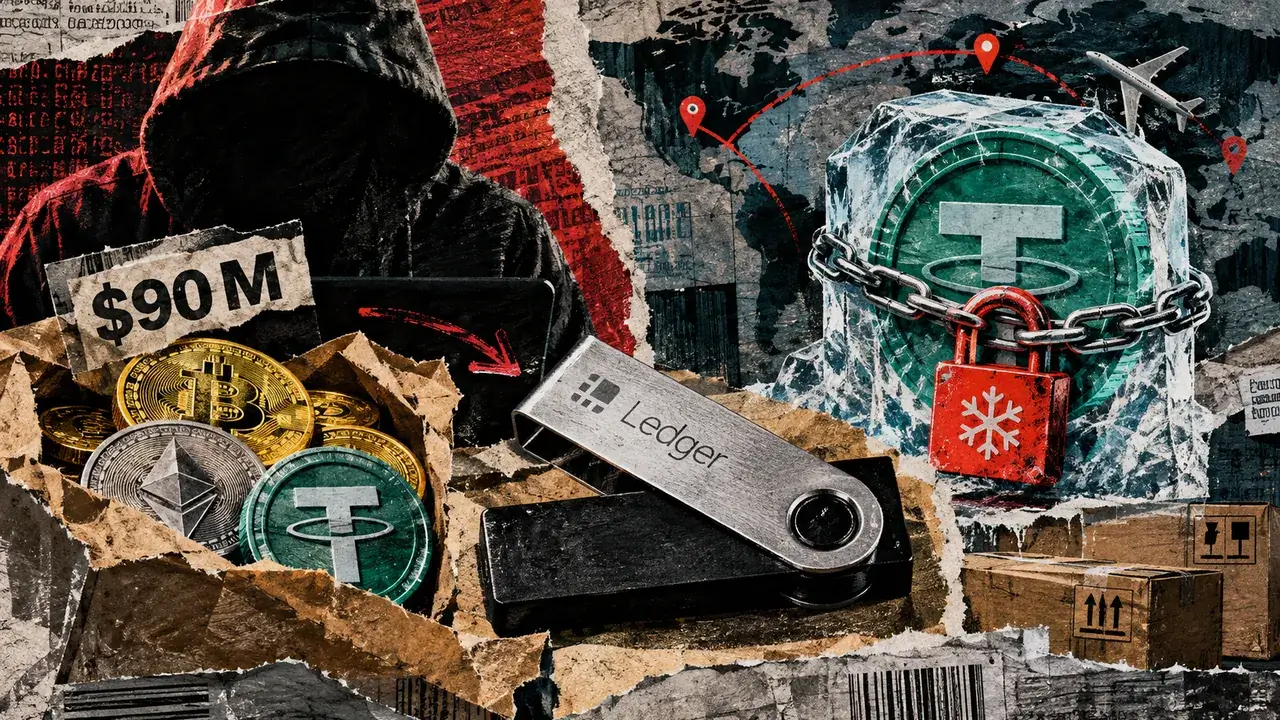
Ledger hack scare nears $90 million as Tether moves to freeze stolen USDT
Suspected Ledger wallet thefts are approaching $90 million as Tether freezes USDT stablecoin linked to the incident, according to...

OSL Brings A USDGO Market-Neutral Fund On-Chain For Hong Kong Investors
TL;DR: OSL Group has tokenized the USDGO Plus SP fund on-chain and is providing custody and distribution through its licensed Hong...
Tether Freezes $1.45M in THORChain USDT Vaults, Then Reverses Blacklist Hours Later
Key Takeaways: The amount of about $1.45 million in USDT was temporarily frozen in THORChain vault addresses. According to THORCha...

Ledger theft-linked funds shift from USDT to USDD to dodge Tether freezes
The shift from USDT to USDD underscores vulnerabilities in stablecoin freeze mechanisms, prompting scrutiny on regulatory and secu...
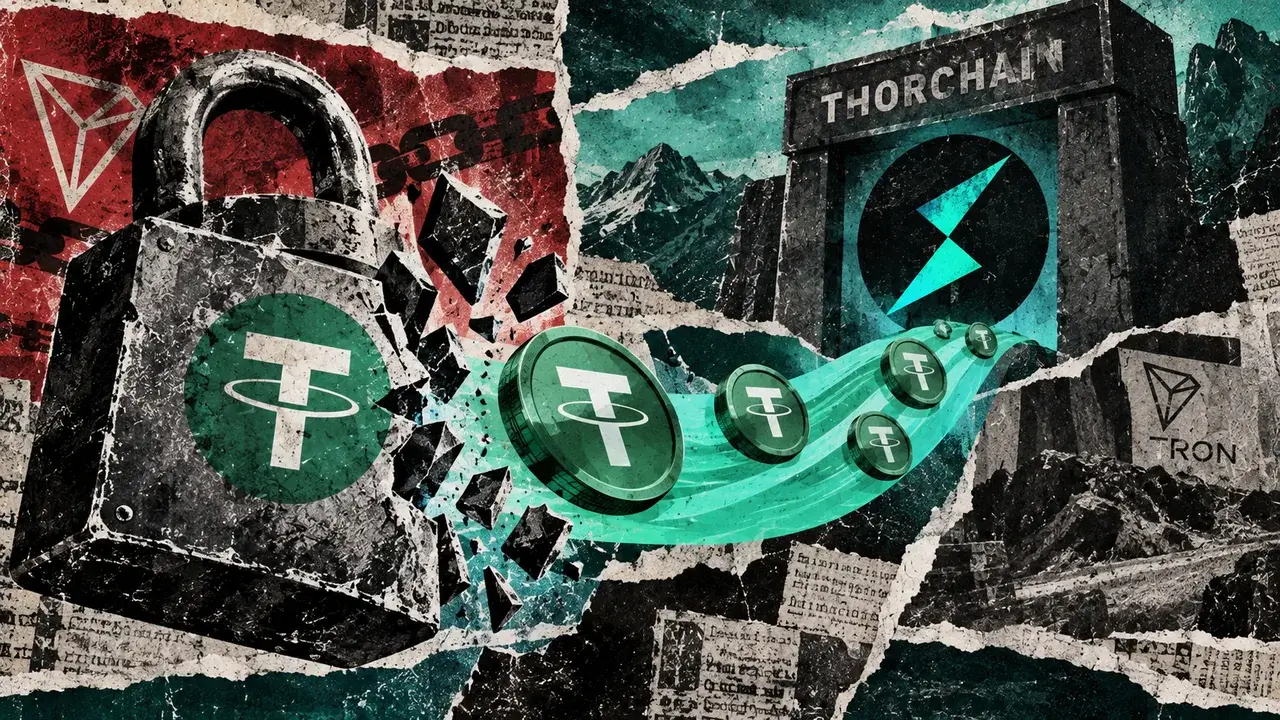
Tether freezes $1.4M in TRON vaults and THORChain stalls
THORChain's TRON operations were interrupted on Oct. 9 after a USDT vault blocklist, according to reports by its co-founder Chad B...