Goldman Sachs and BNY Launch First U.S. Tokenized Money Market Funds
Two of Wall Street’s biggest names just made history. Goldman Sachs and Bank of New York Mellon announced a new way for big investors to buy money market funds using blockchain technology. This marks the first time U.S....
Archive context
Older archive item. Useful for background and entity history, but not a fresh market-moving signal.

Two of Wall Street’s biggest names just made history. Goldman Sachs and Bank of New York Mellon announced a new way for big investors to buy money market funds using blockchain technology. This marks the first time U.S. fund managers have offered this service.
Major companies like BlackRock, Fidelity, and Federated Hermes have already signed up to use this new system.
How the New System WorksThe setup is simpler than it sounds. Investors use BNY’s LiquidityDirect platform to buy and sell money market fund shares. When they do this, Goldman Sachs creates digital “mirror” tokens on their blockchain system called GS DAP.
BNY keeps running the funds the same way they always have. The tokens just create a digital record that matches the real shares. This lets investors move money around faster and use their funds as collateral for trades.
“We created the ability for our clients to invest in tokenized money market share classes across multiple fund companies,” said Laide Majiyagbe, BNY’s global head of liquidity. The new system removes friction that happens in traditional markets.
Why This Matters for the MarketMoney market funds hold $7.1 trillion in assets. These funds are where companies and big investors park their cash to earn a small return while keeping money safe. Right now, it can take up to two business days to get money out of these funds.
The new blockchain system changes that. Trades can happen instantly, 24 hours a day. More importantly, investors won’t need to sell their fund shares to use the money as collateral. They can just transfer the digital tokens instead.
“Instead of investors selling money market funds to deliver cash collateral for a trade, they could just exchange the token,” explained Mathew McDermott, Goldman’s global head of digital assets. This could free up billions of dollars that get tied up in traditional transactions.
Legal Changes Set the StageThis launch happened because of new laws. President Trump signed the GENIUS Act on July 18, creating the first federal rules for stablecoins. The law requires companies to back their digital coins with real dollars or Treasury bills.
The new rules give banks and other financial companies a clear path to issue their own digital currencies. This cleared the way for projects like the Goldman-BNY partnership.
“This could be the greatest revolution in financial technology since the birth of the Internet,” Trump said when signing the law. The timing wasn’t accidental – Goldman and BNY had been waiting for this regulatory clarity.
Competition Heats UpGoldman and BNY aren’t the only ones jumping into tokenized funds. The competition is getting intense:
BlackRock’s BUIDL fund now holds $1.7 billion and works on seven different blockchains. Franklin Templeton started the first tokenized money market fund back in 2021 and has gathered $689 million.
Fidelity filed to create their own blockchain-based fund earlier this year. JPMorgan has been running their Tokenized Collateral Network since 2023, processing over $300 billion in transactions.
The whole tokenized Treasury market has grown almost 500% in the past year, reaching $4.77 billion in total value. McKinsey thinks the entire tokenized asset market could hit $2 trillion by 2030.
What Comes NextThis is just the start. Goldman plans to eventually spin off their GS DAP platform to become industry-owned. They want to create a system where different financial companies can work together seamlessly.
The benefits go beyond just speed. Tokenized funds could work better with new financial technology. They might connect to decentralized finance platforms or enable new types of automated trading.
But challenges remain. Some tokenized funds still can’t serve U.S. investors due to unclear regulations. Critics worry that moving too fast could create new risks for investors.
The European Union is setting clearer rules through their MiCA regulation. U.S. authorities are still working out the details.
Why this matters
This research story adds another data point to the current market tape and is useful when read alongside nearby source coverage.
Original source
Read on Brave New CoinRelated market context
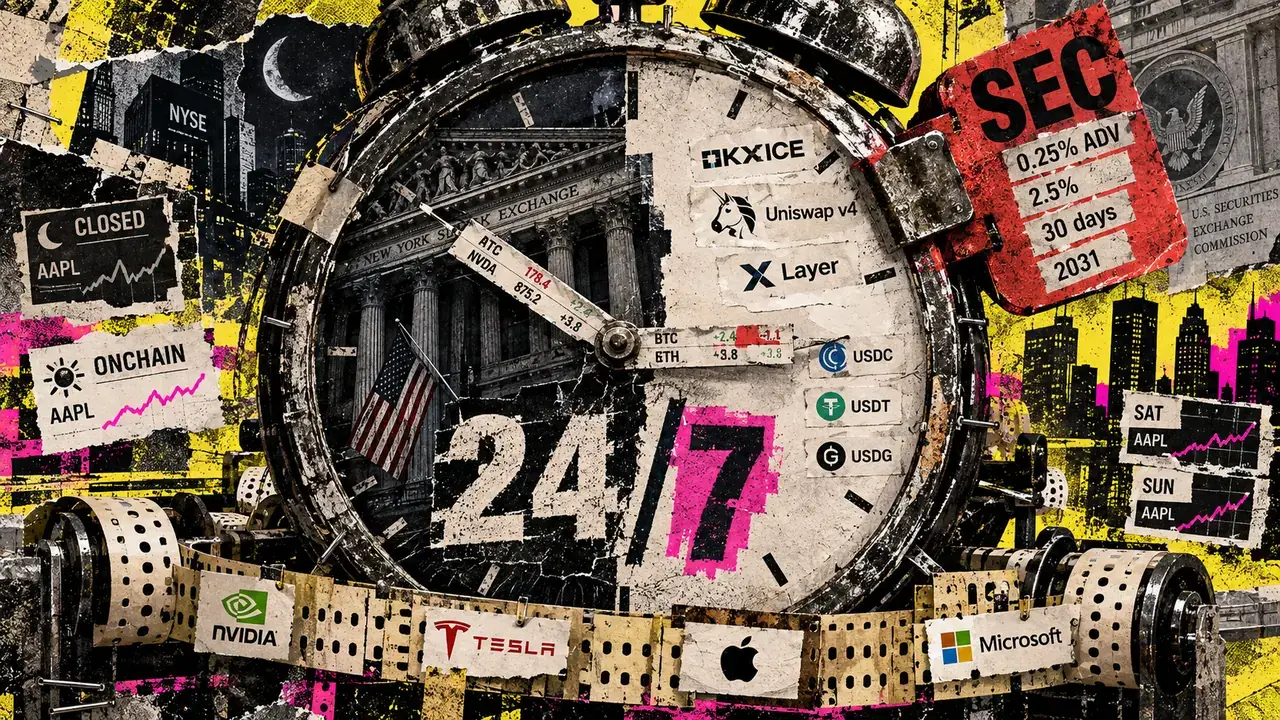
NYSE owner and OKX plan 24/7 tokenized stock trading using Uniswap
Intercontinental Exchange and OKX are preparing an always-open market where tokenized US stocks could keep repricing after Wall St...
SEC Clears Cboe to List Volatility Shares’ 3x Bitcoin and Ether Funds
The U.S. Securities and Exchange Commission approved a Cboe BZX Exchange rule change on Oct. 2 that clears the exchange to list si...
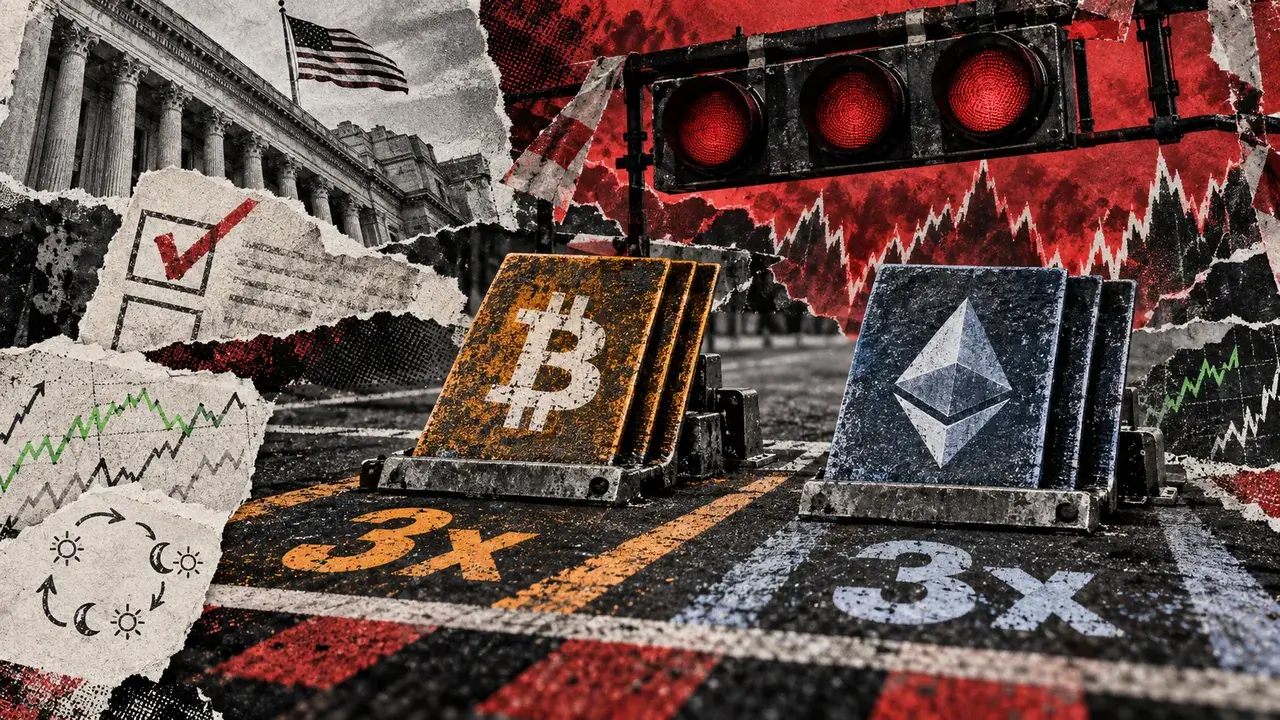
3x Bitcoin and Ether futures funds clear SEC listing hurdle
On Oct. 2, the SEC approved the Cboe BZX exchange’s listing proposal for VS Trust’s 3x Bitcoin ETF and 3x Ether ETF. The decision...
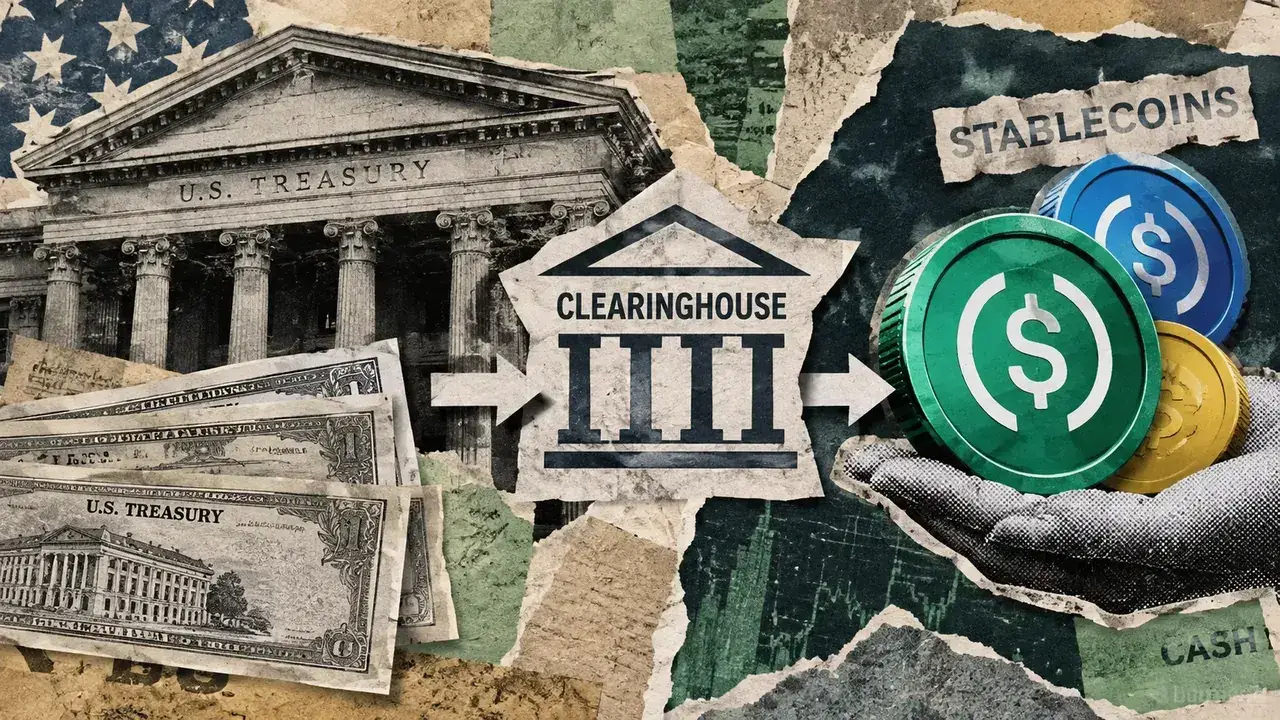
New Treasury rules could change how stablecoin issuers get your dollars back
US government debt is one of the easiest assets in the world to borrow against, which lets financial companies get cash without gi...
Bitcoin’s $85,000 recovery awaits proof that ETF investors kept buying after payrolls
Bitcoin's recovery above $85,000 faces a demand test after a sharp fall in bets on another Federal Reserve rate hike. A new post-p...
SEC Proposes New Crypto Custody Rules to Unlock Multi-Trillion Dollar Market Access
Key Takeaways: The SEC put forth a new plan for crypto asset custody of advisers and funds. More flexibility may be warranted unde...