Gotham’s Dark Underbelly Revisited: The Penguin Ascends
The Batman universe, in all its noir-inspired, gritty glory, has always been fertile ground for exploring themes of corruption, power, and moral ambiguity. Gotham is a city where heroes and villains alike blur the lines...
Archive context
Older archive item. Useful for background and entity history, but not a fresh market-moving signal.

The Batman universe, in all its noir-inspired, gritty glory, has always been fertile ground for exploring themes of corruption, power, and moral ambiguity. Gotham is a city where heroes and villains alike blur the lines of morality, making Batman and his rogues’ gallery some of the most complex characters in popular culture. Over the years, DC has attempted to spotlight these anti-heroes through various formats, and with The Penguin, the iconic villain finally gets his due. Led by Colin Farrell’s stunning transformation and performance, this series is a deep dive into the criminal mind of Gotham’s underworld, evoking the gritty allure of shows like The Sopranos, Peaky Blinders and Gangs of London.
Enter Oswald Cobblepot: The Anti-Hero We Can’t ResistThe Penguin is more than just a villain in a Batman narrative—it’s a study of ambition, survival, and, oddly enough, vulnerability in Gotham’s mob scene. Colin Farrell’s portrayal of Oswald Cobblepot, or “Oz,” is akin to James Gandolfini’s Tony Soprano; they both encapsulate the brooding power and ruthless ambition that make anti-heroes so compelling. Oz isn’t your traditional gangster, but his power grab feels relatable, even sympathetic at times, particularly when his backstory reveals his hardships. This complexity is part of what makes The Penguin so appealing to fans—he’s not just a cartoonish villain, but a nuanced character shaped by the brutality of Gotham’s world.
Farrell is unrecognisable, Source: HBO
The Grit and Realism: Gotham Like We’ve Never Seen ItWith Farrell’s Penguin, viewers get a different lens into Gotham. Where Batman’s story is marked by heroism and vengeance, The Penguin brings us into a world of power struggles, where characters don’t fight for justice—they fight for survival. The success of the show lies in its raw approach to depicting the dark politics of Gotham’s underbelly. Unlike the slick, stylish gangsters of yore, The Penguin offers a grounded, unpolished look at the criminal world.
The show’s appeal is amplified by its stark, noir-inspired visuals and its focus on realism. Gotham is not just a backdrop; it’s a living, breathing character in itself, its shadowy alleyways and dilapidated buildings a visual extension of the bleak stories unfolding within. This vibe is reminiscent of early crime dramas where the city’s grime and grit reflect the lives of its inhabitants. Farrell’s character comes alive within this world, not as a caricature but as a fully developed personality—calculative, ruthless, and oddly likable in his ambition.
A Falcone rises in The Penguin, Source: HBO
The Soprano ConnectionColin Farrell’s Oswald Cobblepot owes much of his dark charisma to the path paved by Tony Soprano. Both men are brutal, manipulative, and often violent, yet each has moments of vulnerability that endear them to the audience. In The Penguin, Cobblepot’s rise mirrors Tony’s journey of juggling crime and family life, personal flaws, and insecurities while building an empire. There’s a human element in both characters, one that makes viewers root for them despite knowing they’re deeply flawed individuals. This shared complexity is what makes The Penguin such a standout in today’s TV landscape.
Two Dons, Source: HBO
Looking Ahead: The Future of The Penguin and Gotham’s RoguesThe Penguin offers a blueprint for future villain-centered spin-offs. By grounding Oz in relatable struggles, The Penguin reminds audiences that Gotham’s villains are as much a part of its fabric as its heroes. With its gritty atmosphere, powerhouse performances, and complex characters, this series has firmly placed itself in the pantheon of well-loved anti-hero dramas, proving that Gotham’s criminals have stories worth telling. If DC continues to take such risks, we could see a renaissance of storytelling that reshapes how we view villains.
Why this matters
This research story adds another data point to the current market tape and is useful when read alongside nearby source coverage.
Original source
Read on Brave New CoinRelated market context

Bitcoin’s rebound approaches the $85,000 zone where past buyers may sell
Bitcoin and Ethereum extended their weekend recovery, although on-chain indicators and derivatives positioning suggest the rebound...

LiquidAcre Selects Uphold to Power Digital Asset Infrastructure and Future Tokenized Real Estate Offerings
LiquidAcre, a financial technology company building a platform designed to expand access to real-world assets and digital financia...

FTX’s old Bitcoin-mining infrastructure gets a second life powering AI
The shift from crypto mining to AI workloads highlights the evolving landscape of digital infrastructure, emphasizing connectivity...
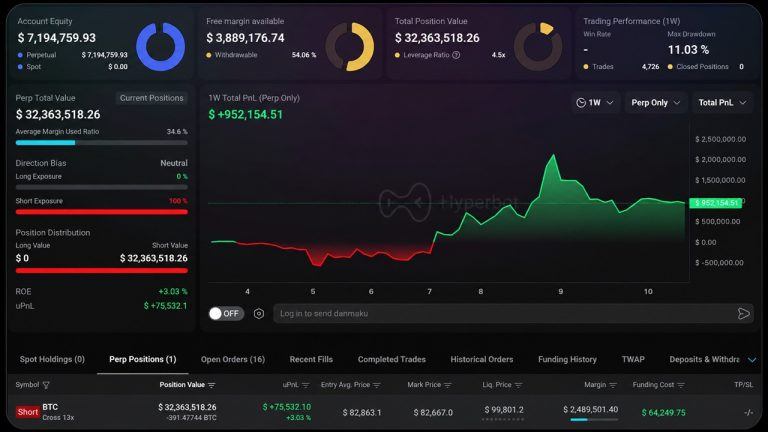
Does This $32M Whale Know Where Bitcoin’s Price Goes After $82.5K
A Hyperliquid trader is sitting on a $32.36 million bitcoin short exactly one year after the 10/10 crash that erased over $19.1 bi...
‘We Know Where It Is’: Treasury Secretary Threatens To Freeze $1B of Iran’s Crypto
Bitcoin Magazine ‘We Know Where It Is’: Treasury Secretary Threatens To Freeze $1B of Iran’s Crypto U.S. Treasury Secretary Scott...

Circle Brings USDC and EURC Into SAP Workflows Powering 84% of Global Commerce
Key Takeaways: Circle and Tereina are introducing USDC and EURC to the SAP payment flow. USDC will process eligible dollars while...