How to Choose the Right Crypto Exchange in 2025: A Practical Guide
The trouble is that, according to CoinGecko, there are 211 crypto exchanges operating today, and separating the wheat from the chaff can be a long and arduous process. Each of these exchanges offers a different set of fe...
Archive context
Older archive item. Useful for background and entity history, but not a fresh market-moving signal.

The trouble is that, according to CoinGecko, there are 211 crypto exchanges operating today, and separating the wheat from the chaff can be a long and arduous process.
Each of these exchanges offers a different set of features, fees, and security levels, designed for a different target audience. We will help you consider them all, and hopefully, by the end of this article, you will have enough knowledge to make an informed decision.
What is a Crypto Exchange?At the most basic level, a crypto exchange is a platform that lets you buy and sell digital assets like Bitcoin, Ethereum, Solana, and thousands of altcoins. Some offer more advanced features, like incorporated wallets, but more on that later. In general, crypto exchanges come in two flavors:
Centralized Exchanges (CEXs): These are traditional platforms like Coinbase, Binance, Kraken, and Bitstamp. They function like banks for crypto—easy to use, highly liquid, and often regulated.
Decentralized Exchanges (DEXs): These are peer-to-peer platforms like Uniswap, PancakeSwap, or dYdX. They offer more privacy and control but often come with a steeper learning curve.
For beginners, starting with a centralized exchange is probably a better choice, as they offer simplicity and a wide range of features. Once you learn the ropes, you can start considering DEX platforms, if there is a need.
Security FeaturesHacks, like the one that crippled ByBit in February, are an unfortunate side effect of the crypto exchange business. That is why considering safety features before choosing a crypto exchange is a must. A minimal list of features includes two-factor authentication (2FA), cold storage, insurance funds, and regulatory compliance. Consider only platforms that offer all of these. You can read Webopedia’s recommendations on crypto exchanges to quickly glance at which platforms meet these terms. You should also google exchange’s name followed by “hack” or “scam” to see whether they have experienced security breaches in the past.
Understanding the FeesCrypto exchanges make money by charging fees to their users, and they vary a lot. The most common ones are trading fees, charged for each transaction. They are usually between 0.1% and 1.5%. Next, we have deposit and withdrawal fees. Finally, there are spread fees used by exchanges that don’t charge fees directly but rather through a difference in buy and sell prices. Different platforms charge different fees, so make sure to read the fine print, as this is a classic example of the Devil in the details.
Supported Coins and PairsCrypto exchanges list only a fraction of all cryptocurrencies available on the market today, which is no wonder considering that there are over 18,000 altcoins in existence. If you are looking to buy or sell Bitcoin, Ethereum, and a few other big ones, you don’t have to worry about that, as most platforms list major tokens. But if you are looking for something exotic, you will need to research which exchanges list your favorite cryptos. Also our editorial team asks not to gamble, as you will loose all your money. Say thank to us later.
Another thing to consider is trading pairs. For selected pairings, exchanges allow direct conversions, like BTC/ETH or ETH/SOL. For others, you will need to sell crypto for fiat and then buy the desired altcoin.
Liquidity MattersLiquidity determines how easily and at what price you can sell your assets on an exchange. Higher liquidity allows for stable prices and fast transactions, and vice versa. That is why most people prefer major exchanges like Binance, Coinbase, and Kraken. Smaller platforms often struggle with liquidity, forcing users to wait for longer periods before realizing their sell orders, especially during high-volume periods.
ConclusionIt is important to remember that crypto exchanges come in many shapes and forms and that there is no one-size-fits-all solution. The choice will mostly depend on your personal preferences and needs. It is up to you to decide which features are most important. If you are looking for beginner-friendly and secure, you should try Coinbase, Gemini, or Bitstamp. If low fees and deep markets are your priorities, then Binance, Kraken, or Bybit are your safest bets. And finally, it is perfectly OK to use more than one exchange and swap platforms to best suit your needs.
Why this matters
This research story adds another data point to the current market tape and is useful when read alongside nearby source coverage.
Original source
Read on Brave New CoinRelated market context

Non-Custodial Crypto Exchanges: How Self-Custody Is Changing the Way Users Swap Digital Assets
For many users, the distinction comes down to custody. A centralized platform may hold assets on behalf of its customers, while a...

THORChain Co-Founder Will Ask Its Treasury About Refunding Fees From Stolen Crypto
THORChain co-founder Chad Barraford said he will ask the protocol’s Treasury about sending part of what its developer fund earned...

BTCC Exchange Launches Refreshed Trust Center: Alex Hung on 15 Years of Earning Traders’ Trust
GEORGE TOWN, Cayman Islands, October 7th, 2026, Chainwire BTCC, the world’s longest-serving cryptocurrency exchange and Platinum S...
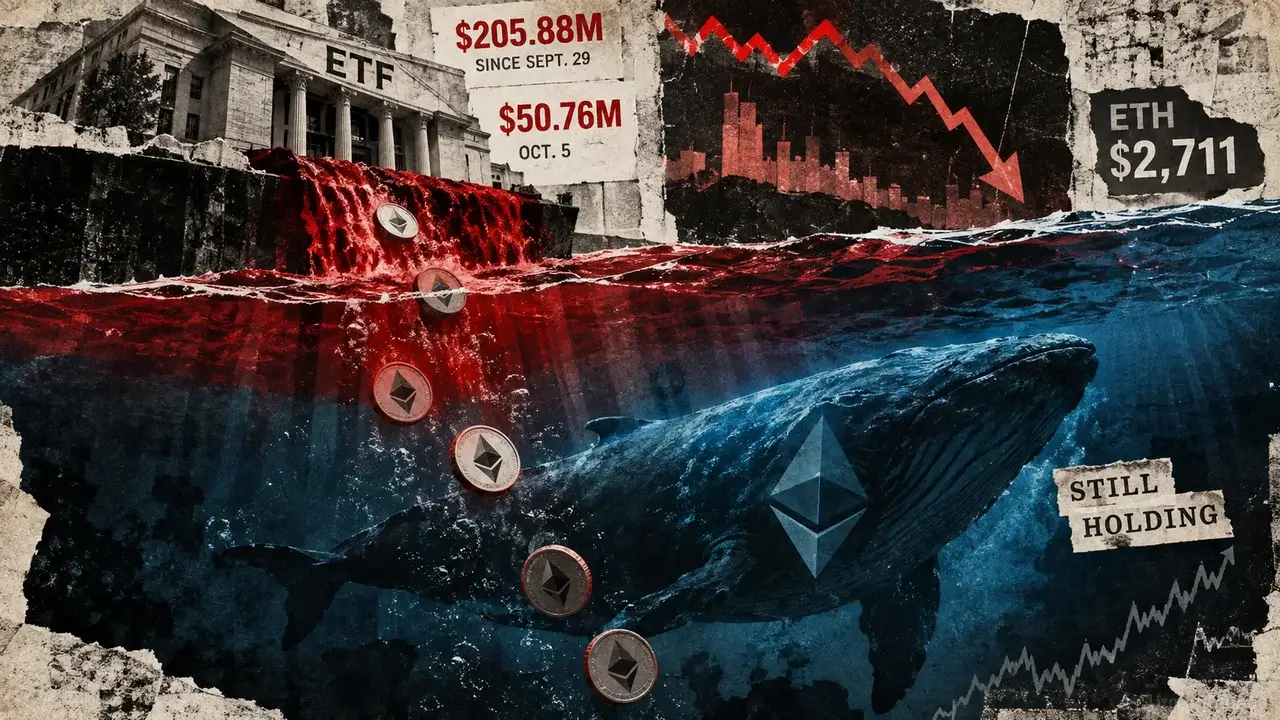
Ethereum bears keep selling but ETH price stays near $2,700 as US spot ETFs record $206M in outflows
Ethereum’s institutional demand is weakening around the same time derivatives positioning shows traders are selling aggressively w...

CFTC Lets Exchanges Convert Index Futures Into True Perpetual Contracts
TL;DR CFTC staff has issued temporary no-action relief allowing designated contract markets to convert certain broad-based securit...

CFTC proposes federal registration for crypto exchanges offering leverage
The proposed CFTC regulations could reshape U.S. crypto markets by reducing high-leverage options, aligning them with traditional...