Janus Henderson Launches Tokenized Nasdaq-100 Fund JQQQ on Stellar
TL;DR: Janus Henderson and Centrifuge have launched JQQQ, an issuer-sponsored blockchain-native fund seeking exposure to the Nasdaq-100 Index through the Stellar network. The official source also identifies specific limi...
High signal
Published in the last two hours. 6 independent sources are tracking the same story.
TL;DR: Janus Henderson and Centrifuge have launched JQQQ, an issuer-sponsored blockchain-native fund seeking exposure to the Nasdaq-100 Index through the Stellar network. The official source also identifies specific limits or future steps, so implementation and market impact should not be assumed.
Janus Henderson and Centrifuge have launched JQQQ, an issuer-sponsored blockchain-native fund seeking exposure to the Nasdaq-100 Index through the Stellar network. For digital-asset markets, the important issue is less the announcement in isolation than the channel through which it could affect users, capital or network activity. The latest development deserves attention, but its relevance depends on the facts published by the organisation behind it and the work still required to make it matter.
What the primary announcement establishesThe October 27 announcement says Janus Henderson manages the strategy and Centrifuge provides the infrastructure for public-blockchain issuance and fund operations. The Nasdaq-100 index is licensed from Nasdaq, making this a fund strategy sponsored by its issuer rather than an unrelated synthetic token claiming a stock-market link.
JQQQ is structured as a British Virgin Islands segregated portfolio with Anemoy Asset Management as investment manager and Janus Henderson Investors US as sub-investment manager. The issuer says JQQQ is available only to eligible investors where lawful and is not available to US persons; the holdings do not grant shareholders direct rights in the underlying Nasdaq-100 securities.
Why this could matter for crypto marketsOffering familiar benchmark exposure through a digital share register tests whether asset managers can use blockchain systems to serve qualified investors while preserving portfolio management, transfer rules and disclosures. The public-chain element may allow new distribution and collateral arrangements, but those possibilities depend on third parties and law. It is important to distinguish exposure to an index from ownership of the index constituents.
For financial institutions, a technical link is only the beginning. They must also settle liability, account for funds, control access and recover from a failed transfer. That is why announced partnerships are best judged by operating detail rather than by the number of logos appearing in a release. That distinction matters to investors trying to separate a plausible structural change from a headline that may not immediately move price or onchain activity.
The limits of the headlineTokenization does not remove investment risk, and future lending or collateral uses are not services automatically provided by Janus Henderson. The fund can deviate from the reference index and may not trade as freely as an exchange-listed ETF.
Consider the difference between holding a token and using it in an everyday business process. Treasury teams and trading desks need reconciliation, internal approvals, liquidity at the point of conversion and an auditable record. Projects that solve those edges may have more practical impact than projects that simply shorten onchain confirmation times.
The wider contextJanus Henderson and Centrifuge launch JQQQ sits within a wider shift toward tokenized index funds. This area has a recurring challenge: the benefits are easiest to describe before the operational details are complete. Different stakeholders measure success differently. A user wants clarity and predictable access; an operator wants reliable controls and manageable costs; an institution wants accountability if something fails. Those perspectives can be in tension, and the source announcement should be read with that in mind.
The distinction also shapes how to read future updates. A new partnership, proposal or software version is a verifiable milestone. Adoption, consistent performance and financial effects require additional evidence. That is why follow-up reporting should distinguish released features, planned features and measured use rather than combining them into one claim.
What to watch nextLook for actual subscriptions, approved distribution channels, custody arrangements and whether onchain investors can redeem reliably through market stress.
Adoption is rarely a single launch moment. It typically moves from a commercial agreement to limited implementation, onboarding, real transaction volume and eventually routine usage. Keeping those stages separate matters when evaluating institutional blockchain announcements. The next evidence should come from official implementation updates and measurable outcomes, not from assuming that a news release guarantees adoption or a token-price response.
Primary source: Janus Henderson and Centrifuge launch JQQQ (published 2026-10-27).
This article was written by the News Desk and edited by Samuel Rae.
Why this matters
Janus Henderson is showing up inside the Institutional Adoption theme, so this story is worth tracking for follow-through rather than treating it as a one-off headline.
Original source
Read on NewsBTCSame story, other sources
Cross-source coverage
6 sources
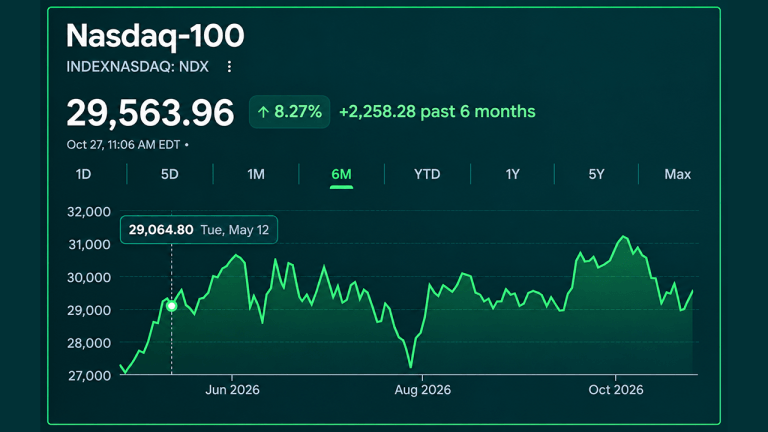
Nasdaq-100 Enters Tokenized Fund Era With Janus Henderson JQQQ
Janus Henderson and Centrifuge launched JQQQ on Tuesday, introducing what the companies describ...

Janus Henderson, Centrifuge launch tokenized Nasdaq-100 fund on Stellar
The blockchain-based fund offers eligible non-US investors exposure to the Nasdaq-100 as Janus...

Janus Henderson Launches Onchain Nasdaq-100 Fund With Centrifuge, Exclusively on Stellar
Janus Henderson, the London-headquartered asset manager with roughly half a trillion dollars un...
Janus Henderson Announces Tokenized Nasdaq-100 Fund on Stellar
JQQQ targets non-US professional investors with a 100,000 USDC minimum, while Centrifuge's inve...

Janus Henderson launches first tokenized fund licensed to track the Nasdaq-100
The launch of JQQQ could accelerate institutional adoption of blockchain in finance, enhancing...
Related market context
SEC Flags Tokenization and Market Infrastructure in 2027 Exam Priorities
TL;DR: The US Securities and Exchange Commission has identified tokenization and evolving market infrastructure among risks for it...

Aviva Investors tokenizes £50 million share class of Sterling Liquidity Fund on XRP Ledger
Aviva's move to tokenize funds on the XRP Ledger could set a precedent for institutional adoption of blockchain in traditional fin...

Galaxy Research says hedge funds cut 68,000 BTC of spot ETF exposure
Hedge funds' BTC ETF sell-off highlights a strategic shift towards yield optimization, impacting market sentiment and institutiona...
Ripple targets $900M annualized revenue as institutional adoption triples in 2026
Ripple's growth in institutional adoption and revenue targets highlights the increasing integration of digital assets in tradition...
SEC Crypto Custody Proposal Could Expand Options for Advisers and Funds
TL;DR: The SEC has proposed a tailored custody framework for investment advisers and registered funds that handle crypto assets. T...

Stellar Lands Securitize as It Climbs the Tokenized-Asset Rankings
Securitize, the tokenization firm that works with BlackRock on its BUIDL fund, announced on Wednesday that it plans to integrate w...