Japan Transforms Crypto Regulation with Securities Law Integration and 20% Tax Rate
The changes could position Japan as Asia’s leading crypto hub and open doors for Bitcoin exchange-traded funds. Major Tax Relief for Crypto Investors The most significant change involves taxation. Currently, crypto profi...
Archive context
Older archive item. Useful for background and entity history, but not a fresh market-moving signal.

The changes could position Japan as Asia’s leading crypto hub and open doors for Bitcoin exchange-traded funds.
Major Tax Relief for Crypto InvestorsThe most significant change involves taxation. Currently, crypto profits in Japan face rates up to 55% when combined with local taxes. Under the new proposal, cryptocurrency gains would be taxed at a flat 20% rate, matching how stocks and bonds are treated.
This represents a massive reduction that could save investors thousands of dollars annually. The current system treats crypto as “miscellaneous income” with punishing tax rates that discourage investment. The new structure would also allow investors to carry losses forward against future profits, a benefit not available today.
The Financial Services Agency argues this change will attract more retail investors and encourage domestic institutions to create crypto products. With over 12 million active crypto trading accounts holding assets worth $34 billion, Japan’s crypto market has already grown larger than traditional retail investments like foreign exchange trading and corporate bonds.
Securities Framework Opens ETF PathwayThe proposal would move cryptocurrencies from the Payment Services Act to the Financial Instruments and Exchange Act. This law already governs stocks, bonds, and traditional ETFs, giving crypto the formal status of “financial products.”
This regulatory shift creates a clear path for spot Bitcoin and Ethereum ETFs in Japan. The FSA noted that over 1,200 global financial institutions now hold U.S.-listed Bitcoin ETFs, including pension funds and major banks like Goldman Sachs. Japan wants to capture similar institutional investment flows domestically.
The agency believes the crypto market has outgrown its current framework and needs the same disclosure rules, insider trading protections, and custody requirements that apply to securities. Market participants expect the first Japanese crypto ETFs to launch in fiscal year 2026 after rules are finalized and exchanges complete testing.
Stablecoin Infrastructure AdvancesBeyond ETFs, Japan is building comprehensive digital asset infrastructure. Major financial institutions are exploring partnerships to issue dollar and yen-backed stablecoins for settling tokenized assets.
In March 2025, SBI VC Trade became the first firm licensed to handle offshore stablecoins in Japan, allowing Circle’s USDC to enter the Japanese market. These developments show Japan’s commitment to integrating digital assets across its financial system.
Timeline and Implementation ProcessThe proposal faces several approval stages before becoming law. The Cabinet Office must first approve the draft, followed by review from the Financial System Council. If successful, a bill would likely reach the Diet (Japan’s parliament) in early 2026.
The FSA will work with the Tokyo Stock Exchange to develop detailed listing and custody guidelines for crypto products during the legislative process. This regulatory framework aims to balance investor protection with market innovation.
Japanese crypto ETFs could begin trading sometime in 2026, assuming the legislative process moves smoothly and technical infrastructure is completed on schedule.
Strategic Economic GoalsThe regulatory overhaul supports Prime Minister Fumio Kishida’s “New Capitalism” agenda, which aims to transform Japan into an investment-driven economy. Officials believe aligning crypto taxation with traditional securities will prevent capital flight to regional competitors like Singapore and Hong Kong.
Japan has watched other Asian financial centers attract crypto businesses with favorable regulations. By creating a comprehensive framework that balances investor protection with innovation, Japan hopes to reclaim its position as the region’s financial leader.
The changes also reflect growing political support for cryptocurrency. Japanese lawmakers have called for the country to consider adding Bitcoin to its foreign exchange reserves, joining a global conversation about crypto’s role in national financial strategies.
Key TakeawayJapan’s proposed crypto regulations represent integration rather than restriction. The dramatic tax reduction from 55% to 20%, combined with a clear path to ETFs and enhanced investor protections, signals Japan’s commitment to legitimizing digital assets within its traditional financial system.
If enacted, these changes would mark the most significant overhaul of Japan’s crypto rules since the 2018 Coincheck hack that initially sparked stricter regulations. The shift from restrictive oversight to strategic integration shows how rapidly the global regulatory landscape is evolving in favor of cryptocurrency adoption.
Why this matters
This research story adds another data point to the current market tape and is useful when read alongside nearby source coverage.
Original source
Read on Brave New CoinRelated market context

Tokenized Stocks, Investor Rights, and Their Crypto Role
Tokenized stocks could give crypto-native investors access to equity exposure through crypto platforms, but a token that tracks a...

Coinbase completes Deribit switch, ending International Exchange trading
Coinbase completed the migration of Coinbase International Exchange to Deribit on Oct. 1, ending trading on its former internation...
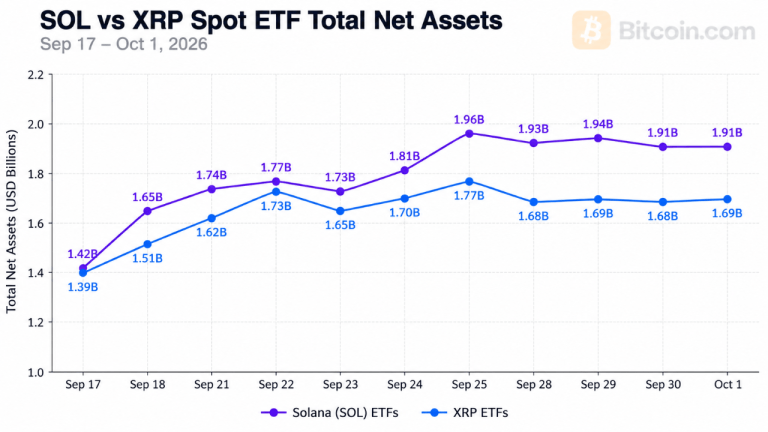
Solana ETFs Overtake XRP Funds With $1.91 Billion in Assets
Solana ETFs have overtaken XRP products in total net assets after an eight-day inflow streak brought in nearly $254 million. The s...

XRP Price Prediction: Ripple Range-Bound at $1.50, Breakout Soon?
XRP price prediction shows Ripple entering October still trading within a broad range. XRP is currently around $1.50, with key res...

Stablecoin issuers have replaced 40% of China’s lost US Treasury demand
Stablecoin issuers are emerging as a new source of demand for US government debt as foreign official holdings lose ground. Tether...

Ripple Partner SBI Completes Takeover of Japanese Exchange Bitbank
SBI Holdings has taken full ownership of Bitbank on Oct. 1, folding one of Japan’s busiest XRP markets into one of Ripple’s oldest...