Kenya Has Highest Proportion of Crypto Owning Citizens in Africa UNCTAD Data Shows
The latest data from the United Nations Conference on Trade and Development (UNCTAD) suggest that Kenya has the highest proportion of crypto-owning inhabitants than any other African country. To counter the growing use o...
Archive context
Older archive item. Useful for background and entity history, but not a fresh market-moving signal.
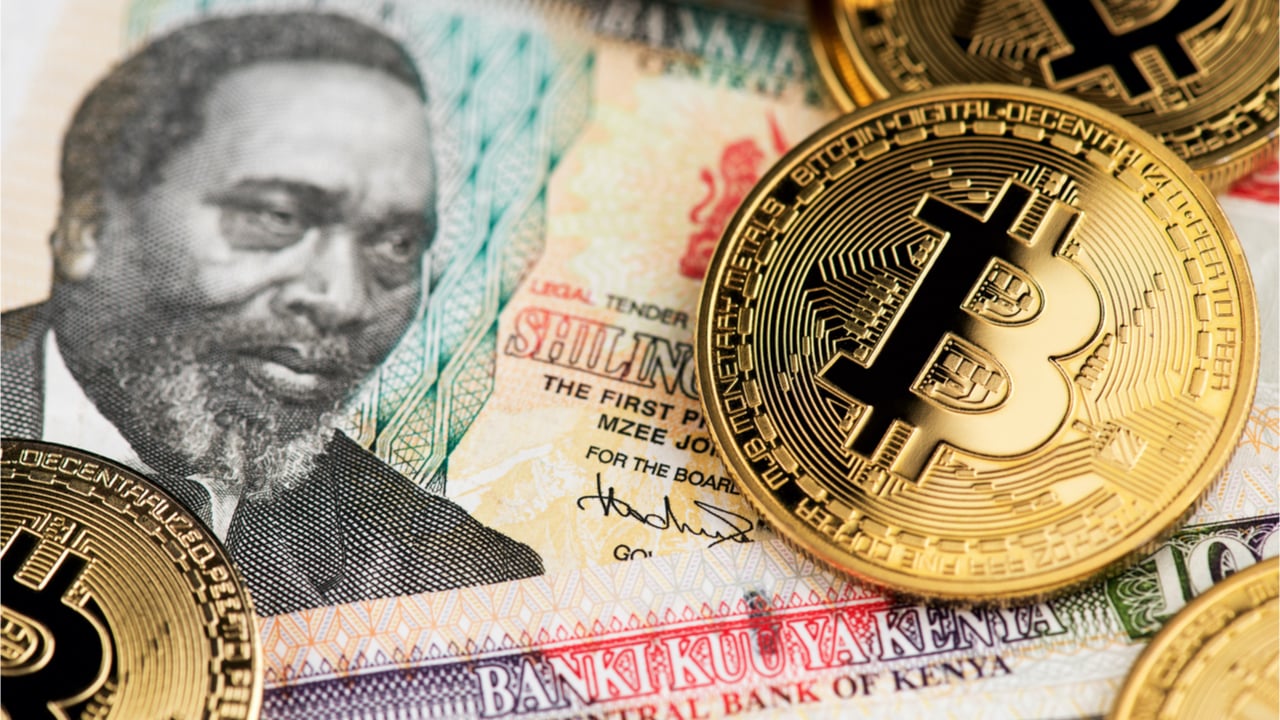
The latest data from the United Nations Conference on Trade and Development (UNCTAD) suggest that Kenya has the highest proportion of crypto-owning inhabitants than any other African country. To counter the growing use of cryptocurrencies, UNCTAD said it recommends the imposition of taxes that discourages crypto trading.
‘A Way to Protect Household Savings’According to the data in the latest (UNCTAD) policy brief, Kenya’s digital currency ownership as a share of the population of 8.5% is the highest in Africa and the fifth-highest globally. Only Ukraine with 12.7%, Russia (11.9%), Venezuela (10.3%), and Singapore (9.4%) have a higher proportion of crypto-owning residents than Kenya.
As the data shows, South Africa is the second-ranked country in Africa and eighth globally, with 7.1% of the population that owned or held cryptocurrencies in 2021. In Nigeria, which is one of the biggest cryptocurrency markets globally, about 6.3% of the population own or hold cryptocurrencies. Using the UNCTAD data, this means from the country’s population of 211 million inhabitants, just over 13 million were owners of digital currencies in 2021.
Out of the 20 countries that were surveyed, Australia was found to have the least percentage of its population (3.4%) that owned cryptocurrency in the said period.
Meanwhile, in a report on its findings, UNCTAD acknowledged that cryptocurrencies have grown in their popularity because they are “an attractive channel through which to send remittances.” The UN agency also said it found that middle-income individuals from inflation-hit developing countries own or hold cryptocurrencies because these are seen “as a way to protect household savings.”
Mandatory Registration of Crypto ExchangesHowever, based on its findings, the UNCTAD said it determined that “the use of cryptocurrencies may lead to financial instability risks.” In addition, their use potentially opens “a new channel for illicit financial flows.”
“Finally, if left unchecked, cryptocurrencies may become a widespread means of payment and even replace domestic currencies unofficially [a process called cryptoization], which could jeopardize the monetary sovereignty of countries. The use of stablecoins poses the greatest risks in developing countries with unmet demand for reserve currencies,” UNCTAD noted in the policy brief.
To minimize some of these risks, UNCTAD said it recommends “the mandatory registration of crypto-exchanges and digital wallets.” The agency also recommended imposing “entry fees for crypto-exchanges” or levying taxes on cryptocurrency trading. Doing this would make the use of cryptocurrencies less attractive, UNCTAD said. Other recommendations include restricting cryptocurrency advertisements and the issuing of a central bank digital currency (CBDC).
What are your thoughts on this story? Let us know what you think in the comments section below.
Why this matters
This research story adds another data point to the current market tape and is useful when read alongside nearby source coverage.
Original source
Read on Bitcoin NewsRelated market context

Hot Inflation Data Puts Bitcoin Under Pressure, but ‘Difficult’ Isn’t ‘Bearish’: CoinShares
Bitcoin Magazine Hot Inflation Data Puts Bitcoin Under Pressure, but ‘Difficult’ Isn’t ‘Bearish’: CoinShares Bitcoin’s price has d...

US Hoovers up Bitcoin While the World Runs on Its Digital Dollars: Report
Bitcoin Magazine US Hoovers up Bitcoin While the World Runs on Its Digital Dollars: Report America is accumulating bitcoin while e...

Morgan Stanley’s Amy Oldenburg: The Digital Gold Investment Case for Bitcoin
Bitcoin Magazine Morgan Stanley’s Amy Oldenburg: The Digital Gold Investment Case for Bitcoin Bitcoin’s digital gold case is “a pr...

Fidelity Digital Assets finds Bitcoin now moving with US Treasury real rates
Bitcoin's correlation with US Treasury real rates suggests a shift in investor sentiment, potentially altering traditional portfol...

Bitcoin Briefly Slides Below $80,000 On More Hot Inflation Data
Bitcoin Magazine Bitcoin Briefly Slides Below $80,000 On More Hot Inflation Data Bitcoin’s price momentarily dipped below $80,000...

Ethereum, XRP and Solana slide as hot inflation data rattles crypto
Rising inflation pressures could prolong high interest rates, dampening risk appetite and impacting crypto market stability and in...