New OpenAI Models On the Way
This update marks a pivotal moment in the evolution of AI systems, as it signals a transition away from the fragmented model selection process toward a more unified approach. “We want AI to ‘just work’ for you; we realiz...
Archive context
Older archive item. Useful for background and entity history, but not a fresh market-moving signal.
This update marks a pivotal moment in the evolution of AI systems, as it signals a transition away from the fragmented model selection process toward a more unified approach.
“We want AI to ‘just work’ for you; we realize how complicated our model and product offerings have gotten,” said Altman on X.
“We hate the model picker as much as you do” said Altman on X.
The Transition: From Model Picker to Unified IntelligenceOne of the most significant changes in this roadmap is the elimination of the traditional model picker. OpenAI’s internal discussions reveal a shared frustration with the need for users to navigate multiple models—a process that often complicates rather than clarifies the user experience. Altman candidly states, “We hate the model picker as much as you do,” encapsulating the drive to merge disparate functionalities into a single, cohesive system. This shift is designed to usher in what Altman describes as “magic unified intelligence.”
GPT-4.5: The Last of Its KindThe next step in this transformation is the introduction of GPT-4.5, internally known as Orion. Notably, this model represents the final iteration of the non-chain-of-thought designs. In contrast to chain-of-thought models—which simulate a step-by-step reasoning process—GPT-4.5 is poised to serve as a bridge between current capabilities and the next-generation systems. By phasing out non-chain-of-thought approaches, OpenAI is setting the stage for more sophisticated, context-aware models that can dynamically adjust their reasoning processes.
Unifying the o-Series and GPT-Series ModelsFollowing the release of GPT-4.5, OpenAI’s primary objective is to merge the o-series models with the GPT-series models. The goal is to develop systems capable of leveraging a comprehensive suite of tools, determining when to perform deep analytical thinking and when rapid responses are sufficient. This unified framework is expected to vastly expand the range of tasks that the AI can handle, effectively blending the best of both worlds into a single, adaptive system.
In practice, this means that the forthcoming GPT-5 will integrate technologies—including those previously available in standalone models like o3—into one consolidated product. By doing so, OpenAI aims to eliminate the need for users to manually select or switch between models, thereby delivering a seamless experience across its API and ChatGPT interfaces.
GPT-5: A Technologically Integrated SystemGPT-5 is set to represent a major leap forward. It will be released simultaneously across both ChatGPT and OpenAI’s API, embodying an architecture that integrates multiple technologies such as voice, canvas, search, and deep research functionalities. The integration of these features will allow GPT-5 to handle a broader spectrum of tasks—from natural language processing to complex, research-intensive queries—without compromising on performance.
A key technical advantage of this unified model is its ability to adjust its “intelligence level” based on user needs. For the free tier of ChatGPT, users will have unlimited access to GPT-5 at a standard intelligence setting (subject to abuse thresholds). Meanwhile, Plus and Pro subscribers will be able to utilize GPT-5 at higher levels of sophistication, ensuring that both casual users and power users have access to the performance they require.
Tiered Access and ScalabilityOpenAI’s tiered approach to GPT-5 access is a strategic move designed to balance broad accessibility with the need for high-performance options. The free tier’s standard intelligence setting ensures that everyday users can benefit from advanced AI without significant barriers. At the same time, premium tiers are designed to cater to users with more demanding needs, such as enterprise clients or intensive research applications. This model not only democratizes access to cutting-edge AI but also provides a scalable framework that can evolve alongside technological advancements.
From a technical perspective, OpenAI’s roadmap reflects a broader industry trend toward simplification and integration. By eliminating redundant choices and consolidating multiple capabilities into a single platform, OpenAI is paving the way for AI systems that are both more powerful and more intuitive. This approach is likely to influence future AI developments, prompting other organizations to rethink how they design and deploy AI technologies.
Moreover, the move toward unified intelligence could enhance the reliability and consistency of AI outputs, as the system will be better equipped to balance various tasks without the need for manual intervention. This has profound implications for fields ranging from natural language processing to data analysis, where seamless integration and real-time adaptability are increasingly in demand.
OpenAI’s updated roadmap for GPT-4.5 and GPT-5 is not just a technical upgrade—it’s a strategic reimagining of how AI should be delivered. By phasing out the old model picker in favor of a unified, integrated system, OpenAI is addressing both the complexity of its current offerings and the future demands of a diverse user base. As these changes roll out, we can expect AI to become more accessible, adaptable, and ultimately, more “intelligent” in the holistic sense that modern applications require.
This roadmap not only solidifies OpenAI’s position at the forefront of AI innovation but also sets a benchmark for the industry as a whole.
Why this matters
This research story adds another data point to the current market tape and is useful when read alongside nearby source coverage.
Original source
Read on Brave New CoinRelated market context
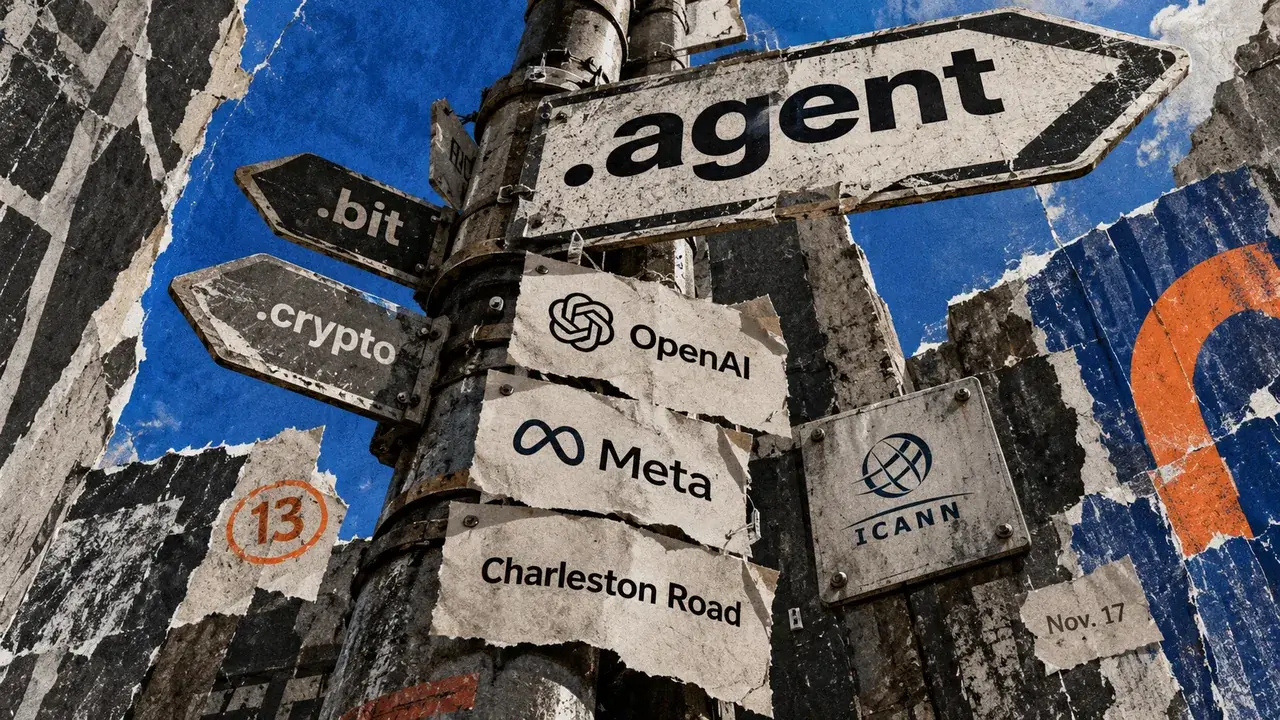
OpenAI, Google and Meta battle for AI internet domains as crypto firms target .bitcoin and .wallet
OpenAI, Google, and Meta are competing for AI-related internet domains as cryptocurrency firms pursue their own digital naming rig...

AI Could Weaken Ethereum Security as Cryptographic Risks Grow, Vitalik Buterin Warns
Buterin urged developers to prepare for potential AI vulnerabilities in both conventional and quantum-resistant cryptography, whil...

Vitalik Warns AI Math Could Threaten Crypto Keys Before Quantum Computing Arrives
Key Takeaways: Vitalik Buterin states that the rise of today’s cryptography is outpaced by AI-accelerated mathematics. In addition...

XRPL’s $1.34 billion stablecoin base doesn’t tell us how much XRP users need
Tracked stablecoins on the XRP Ledger totaled $1.338 billion on Oct. 7. For XRP holders, the critical question is how much activit...

Stealing $1.5B in crypto is easy, cashing out is the trap
North Korean hackers stole around $1.5 billion from Bybit in February 2025. While the hack itself has been widely covered and anal...

Ethereum Price Prediction: Is Tom Lee’s $25K ETH Target Too Ambitious?
Tom Lee’s $10,000 Ethereum price prediction implies a 1000% move from ETH’s current price at around $2,500. BitMine’s accumulation...