Not Just Crypto: Why True Decentralization Demands Personal Data Autonomy
Decentralization has become almost a buzzword in the tech world, thanks to the rise of crypto. People are drawn to the idea because it promises more freedom – freedom from central banks, freedom from outdated systems, an...
Archive context
Older archive item. Useful for background and entity history, but not a fresh market-moving signal.

Decentralization has become almost a buzzword in the tech world, thanks to the rise of crypto. People are drawn to the idea because it promises more freedom – freedom from central banks, freedom from outdated systems, and freedom to control your own money. But if decentralization is truly about individual power, why is it only discussed in financial terms?
While we’ve been celebrating decentralized finance (DeFi), headlines about DeFi attacks, scams and data leaks have been piling up. People worry about losing their crypto to hackers, but what about everything else we’ve already given away for free?
Every app we download, every online purchase we make and every website we visit leaves behind a trail of personal information. That information doesn’t just stay where we left it. It gets collected, analyzed, sold and stored in ways most of us never agreed to and can’t easily undo.
So if we’re talking about real decentralization, it shouldn’t stop at finance. It should also mean having control over your data. That’s why services like Incogni exist to help you take back some of that control. With a few clicks, you can start removing your personal information from shady data broker sites and take a simple step toward protecting yourself.
Decentralization Beyond FinanceThe decentralized ethos stretches far beyond coins and tokens. In fact, decentralization is slowly reshaping other major digital domains:
- Identity: New systems, such as self-sovereign identity, are making it possible for people to prove their identity without relying on government or Big Tech login. It’s a way to keep control of your personal details.
- Communication: Some messaging apps are designed to allow users to communicate securely without being tied to a single company. Messages stay private, and you’re not stuck on a single platform.
- Data ownership: Instead of handing everything over to apps and websites, new tools now let people keep their data and decide when and if they want to share it.
Here’s how decentralized approaches compare with centralized ones:
Function Centralized Model Decentralized Alternative Identity Government-issued ID Blockchain-based digital ID (SSI) Messaging WhatsApp, Messenger Matrix, Session Data Storage Google Drive, iCloud IPFS, Filecoin Personal Data Use Sold to advertisers or retained forever User-owned, with permission-based sharingIn each case, the decentralized option gives individuals more choice and control, the cornerstones of digital freedom.
Why Data Autonomy MattersWe’re at a turning point. Digital services have brought convenience, but they’ve also reshaped how information flows. The average person has little to no idea how many companies have access to their data or what’s being done with it.
The current model has three major problems:
- People usually have little idea when or how their data is being collected and shared.
- Most of our personal information ultimately falls under the control of just a few large companies, which determine how it’s used.
- Even if you delete an account, your data is often not completely gone; it can still be retained by other companies behind the scenes.
Real-world impact?
- Targeted scams based on leaked info
- Robocalls and spam emails
- Price manipulation and digital discrimination
True decentralization empowers users to decide what stays and what gets erased. It’s about giving back informational agency, not just financial sovereignty.
Tools and Technologies for Data AutonomyWhile cryptocurrencies popularized decentralization, new tools are driving personal data control:
- Decentralized Identity (DID): Users can verify themselves using blockchain-based credentials without relying on centralized databases.
- Personal Data Vaults: These systems enable individuals to store their information locally or utilize encrypted cloud solutions. Access is granted only when necessary.
- Blockchain-Based Data Storage: Platforms like Arweave or Filecoin enable users to store data in decentralized networks, which can be encrypted and access-controlled.
Key Benefits of These Tools:
- No single point of failure
- Selective data sharing
- Enhanced user consent mechanisms
Moving to personal data control isn’t easy. Many of the tools available are still tricky to use, so most people find them confusing. Keeping data safe is another challenge; if the systems aren’t properly set up, information can still be at risk. For decentralization to really work, it needs to be built with real-world problems in mind, not just big ideas.
Guiding Principles for Ethical Decentralization:
- Build with accessibility in mind
- Ensure informed consent
- Provide off-ramps (like data removal tools)
- Avoid creating systems that replace one gatekeeper with another
Historically, moments of uncertainty push investors toward decentralized assets. Whether during economic downturns, inflation spikes, or banking instability, many turn to Bitcoin and other cryptocurrencies as a perceived safe haven.
Conclusion: Decentralization is PersonalDecentralization began with changing how money works, but now it’s about something more personal: our identities, choices, and control over our data. Financial freedom and control of personal information are closely connected and can’t be separated.
Having real control isn’t just about managing your crypto wallets. It’s about being able to decide who has your data and for how long. With new tools like decentralized ID systems and personal data vaults becoming more common, we’re getting closer to a future where people aren’t just using technology but truly shaping how it works.
In the future, decentralization won’t just be a tech buzzword. It will be a fundamental right everyone deserves.
Why this matters
This research story adds another data point to the current market tape and is useful when read alongside nearby source coverage.
Original source
Read on Brave New CoinRelated market context

Top Bitcoin Blockchain Visualizers For Your Home And Office
Bitcoin Magazine Top Bitcoin Blockchain Visualizers For Your Home And Office Bitcoin is often talked about in very abstract terms:...

Binance Launches Retail AI Assistant, Repackages Existing Trading Tools
Binance has grouped its artificial intelligence products under a new Binance Intelligence brand, combining a newly launched retail...

Hyperliquid Data Now Live on Bloomberg Terminal as Trump Working to Bring The Platform to The US
Hyperliquid perpetual contracts are now available through the Bloomberg Terminal, bringing data from the decentralized exchange in...

THORChain cofounder argues protocol is more decentralized than Bitcoin and Ethereum
THORChain's governance model highlights the need for DeFi investors to scrutinize decentralization claims and assess actual contro...
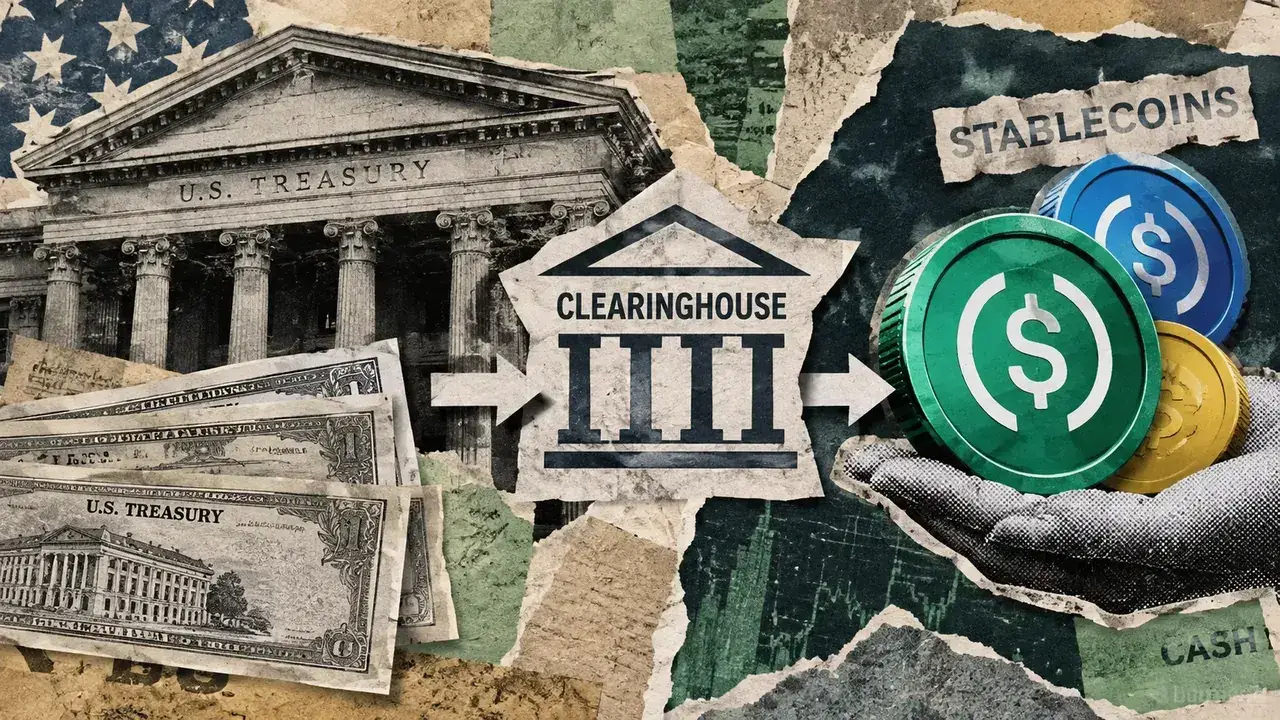
New Treasury rules could change how stablecoin issuers get your dollars back
US government debt is one of the easiest assets in the world to borrow against, which lets financial companies get cash without gi...

US Midterms Polymarket Odds: What a 66.5% Democratic Sweep Price Means for Crypto Policy
US Midterms Polymarket odds currently price a Democratic sweep of Congress at 66.5% on October 5, with $17.81M in event volume and...