Overview of Zero Knowledge Proof and Data Verification
In some emerging data markets, personal information, research, and datasets can be treated as reusable digital assets. Zero Knowledge Proof (ZKP) supports this concept through cryptographic verification, blockchain infra...
Archive context
Older archive item. Useful for background and entity history, but not a fresh market-moving signal.
In some emerging data markets, personal information, research, and datasets can be treated as reusable digital assets. Zero Knowledge Proof (ZKP) supports this concept through cryptographic verification, blockchain infrastructure, and decentralized storage systems commonly used in decentralized finance (DeFi) ecosystems. Users can verify ownership of data and grant access while retaining control over the underlying files.
For students and technology learners, understanding this system provides useful context. It addresses a longstanding digital challenge: verifying information without disclosing sensitive details. By enabling verification between data owners and buyers, ZKP allows information to be exchanged in controlled ways. This architecture supports privacy-focused data exchanges while allowing creators to retain ownership rights.
Tokenization and Off-Chain Data RepresentationOne foundational component of this ecosystem is tokenization. When a user owns a dataset, such as weather records or research logs, the underlying files are not stored directly on the blockchain. Instead, a digital token is created to represent access or ownership rights associated with the data. The actual files remain off-chain and may be stored using decentralized storage solutions such as IPFS.
A Content Identifier (CID) links the token to the file, providing a reference point without requiring on-chain storage. Zero Knowledge Proof can be used to verify that a token corresponds to specific data attributes. This approach allows creators to grant access without transferring the original dataset, helping preserve intellectual property rights. Tokenization is a core feature for projects that focus on privacy and controlled data access.
Tiered Access Models for Controlled Data UseAccess to datasets can be managed through tiered permission levels. This system is designed to balance privacy and usability by offering multiple access levels:
- Tier 0: Metadata layer providing free previews or descriptions.
- Tier 1- 4: Partial datasets or sample subsets.
- Tier 5: Full access for verified token holders.
Zero Knowledge Proof is used to verify authorization before higher access levels are granted. Buyers can verify tokens without disclosing personal identities, supporting privacy-focused access control. This code-based permission system ensures data access is both safe and transparent. Tiered access models are commonly used in privacy-focused data marketplaces.
DAO-Based Governance in Data MarketplacesTo support quality control, the ZKP Data Marketplace incorporates a Decentralized Autonomous Organization (DAO). This community-led group reviews new submissions using Zero Knowledge Proof to vote on which datasets should be listed. Members assess metadata and quality scores to ensure only accurate, valuable datasets appear.
This governance model is intended to support independent evaluations by distributing decision-making authority. Combining human oversight and automated verification, the DAO establishes a professional and trustworthy marketplace. The system is designed to filter submissions based on community review and predefined criteria.
Privacy-Focused Transaction VerificationOne of the biggest challenges in digital sales is trust. Buyers want assurance that datasets contain the promised content without exposing sensitive files. Zero Knowledge Proof addresses this challenge through cryptographic verification. Sellers generate a mathematical proof verifying key facts, like the number of records or the date range, without revealing the actual data.
Buyers can validate proofs on the blockchain and exchange tokens according to predefined smart contract rules. This acts as a digital escrow, protecting both parties and ensuring fair, private transactions. This mechanism supports data transactions while maintaining privacy and controlled access.
Summary of Key Concepts and Use CasesThe ZKP Data Marketplace presents an alternative approach to digital data ownership. By combining tokenization, tiered access, DAO governance, and Zero Knowledge Proof technology, the system empowers creators and researchers alike. It removes dependence on large intermediaries, returning control to the individuals who produce valuable information.
For students and emerging professionals in tech, these concepts represent the foundation of the next digital economy. Privacy-preserving mathematics and blockchain-based verification allow information to become a reusable, tradeable asset. Data monetization models are becoming more common in digital ecosystems. With ZKP, data owners can safely monetize their work while participating in a fair and secure ecosystem.
Additional official Zero Knowledge Proof resources:
Website: https://zkp.com/
Presale Auction: https://auction.zkp.com/
Telegram: https://t.me/ZKPofficial
DisclaimerPlease be advised that all information, including our ratings, advice and reviews, is for educational purposes only. Crypto investing carries high risks, and CryptoNinjas is not responsible for any losses incurred. Always do your own research and determine your risk tolerance level; it will help you make informed trading decisions.
The post Overview of Zero Knowledge Proof and Data Verification appeared first on CryptoNinjas.
Why this matters
This maps to the DeFi hub, so it can help confirm whether that theme is gaining breadth across the crypto news cycle.
Original source
Read on CryptoNinjasRelated market context

IMF finds over half of tokenized US stock trading happens after Wall Street closes
More than half of sampled tokenized US stock trading occurs outside Wall Street's regular hours, the International Monetary Fund (...

South Korea blocks access to 27 unregistered overseas crypto exchanges
South Korea's crackdown on unregistered crypto exchanges highlights the growing global trend towards stricter regulatory oversight...
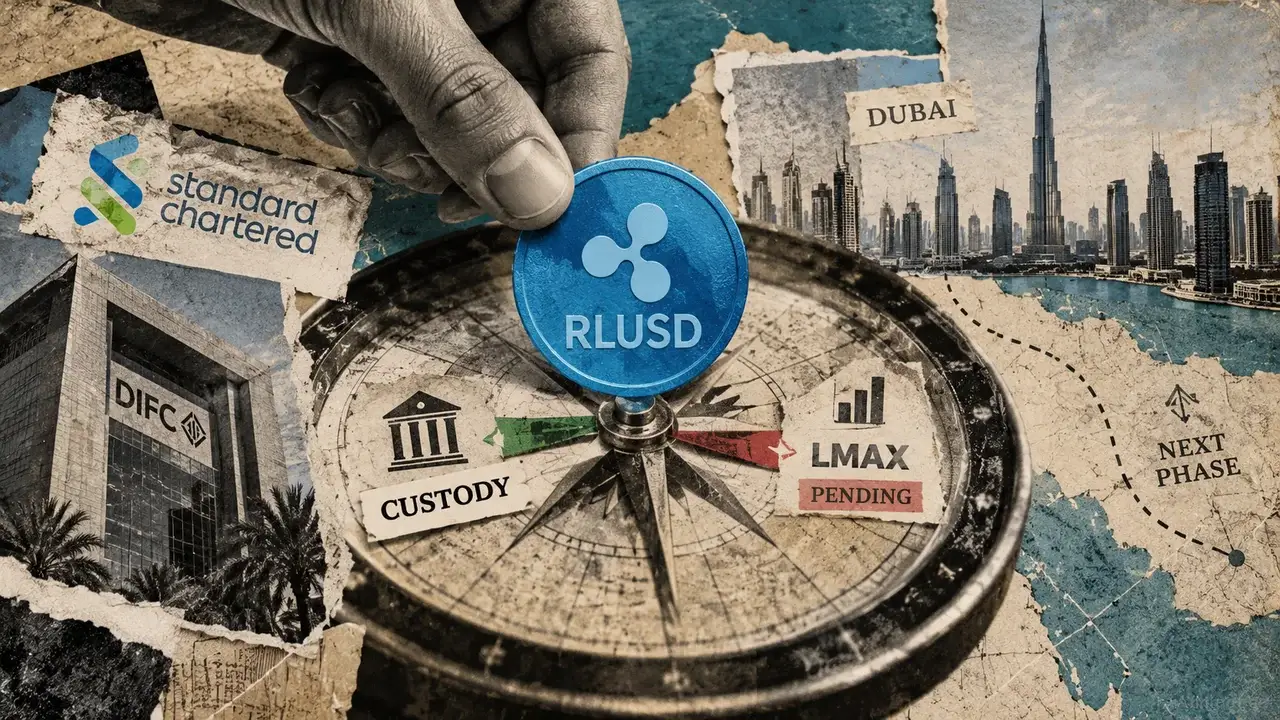
Standard Chartered brings Ripple’s RLUSD into banking custody after $765 million quarterly surge
Standard Chartered has launched custody for Ripple's RLUSD stablecoin as it prepares to expand its use as collateral for instituti...

State of TRON Q3 2026 Report Highlights $2.21 Trillion in Stablecoin Settlement Amid Network Activity Growth
Geneva, Switzerland, October 12, 2026 — TRON DAO, the community-governed DAO dedicated to accelerating the decentralization of the...
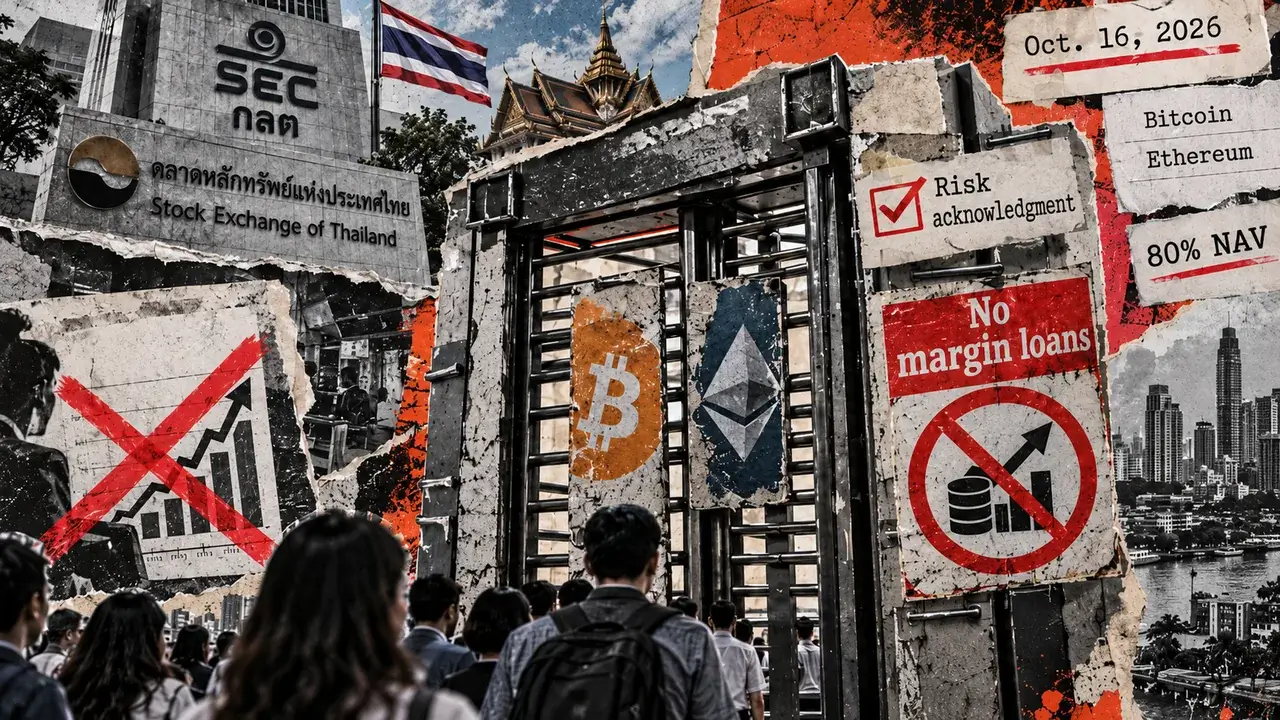
Thailand wants a piece of the $120 billion Bitcoin and Ethereum ETF market, but on its own terms
Thailand has finalized rules allowing domestic Bitcoin and Ethereum ETFs while restricting retail access to competing overseas inv...

Citi says Galaxy Digital stands to gain as crypto rebounds
Galaxy Digital could see significant growth as crypto market conditions improve, driven by increased fund inflows and clearer regu...