Pangea CEO Highlights the Need for Better Data Indexing to Speed Up DApps
Pangea CEO Max Legg addressed this issue, emphasizing the need for efficient data indexing solutions to eliminate bottlenecks and enhance the user experience for Web3 applications. Slow DApp Performance: A Major Obstacle...
Archive context
Older archive item. Useful for background and entity history, but not a fresh market-moving signal.

Pangea CEO Max Legg addressed this issue, emphasizing the need for efficient data indexing solutions to eliminate bottlenecks and enhance the user experience for Web3 applications.
Slow DApp Performance: A Major Obstacle for Web3 AdoptionOne of the most significant challenges facing DApps today is speed. Unlike traditional Web2 applications, DApps rely on blockchain data, which is spread across various decentralized networks. This decentralized structure causes delays in data retrieval, often resulting in slow load times. In fact, users are generally unwilling to wait more than three seconds for an application to load, but many Web3 apps take up to 20 seconds, driving potential users away.
Diagram highlighting the key factors behind blockchain data latency. Source: Pangea
According to Legg, indexing blockchain data could be the key to solving these performance issues. “Data from RPC nodes, smart contracts, and other blockchain infrastructure can amount to hundreds of terabytes on high-throughput chains,” he said. “Indexing is the process of organizing this raw blockchain data so it can be retrieved efficiently when needed.” Proper indexing allows Web3 apps to function at speeds comparable to Web2 counterparts, making them more viable for mainstream adoption.
Many Web3 developers are currently forced to build custom indexing solutions to address this problem. However, these in-house solutions tend to be inefficient, overly complex, and require a significant amount of development time. Legg pointed out that this approach is not sustainable. “This is not something you want your developers to be dealing with. This is a real infrastructure problem that needs to be solved once and for all, not repeatedly by every DApp developer,” he said.
Ethereum and Layer Two Solutions: Paving the Way for Increased ThroughputAs blockchain throughput grows, the necessity for effective data indexing becomes increasingly crucial. Throughput, measured in transactions per second (TPS), is directly proportional to the amount of data that must be indexed. Ethereum, the most popular blockchain for DApps, has ambitious ambitions to increase its throughput to accommodate more transactions.
In October, Ethereum co-founder Vitalik Buterin announced intentions to boost the Ethereum base layer’s capacity to exceed 100,000 transactions per second (TPS) in conjunction with Ethereum’s layer-2 solutions. Legg’s comments are in line with these goals, as higher throughput demands faster data indexing and retrieval systems.
Source: Pangea
Layer-2 solutions, such as Starknet and ZKsync, are also working toward improving throughput. StarkWare CEO Ben Sasson revealed at the DevCon 2024 conference that Starknet plans to quadruple its TPS within the next few months, aiming to rival Solana’s throughput. ZKsync is also targeting 10,000 TPS by 2025 and aims to reduce transaction fees to as low as $0.0001. These advancements will result in massive data generation, which will require efficient indexing solutions to maintain app performance.
Solana’s Model: A Benchmark for High ThroughputWhile Ethereum and its layer-2 solutions focus on scaling up, Solana’s blockchain has already achieved high throughput. Solana’s non-voting throughput currently ranges between 800 and 1,050 TPS. The network’s unique monolithic design has attracted significant developer interest, positioning it as one of the top ecosystems for blockchain development in 2024.
Solana’s impressive throughput serves as a benchmark for other blockchains, with many developers looking to replicate its success. However, even with high-throughput blockchains like Solana, the issue of indexing remains crucial. As more data is processed, the need for effective indexing solutions becomes even more apparent.
The Path Forward for DApp Speed and ScalabilityThe key to realizing the full potential of Web3 apps is to improve data indexing. As blockchain technology advances, decentralized applications must be able to handle increased data loads while maintaining speed. With firms like Pangea striving to address these difficulties, the future of DApp development appears bright.
Legg’s insights highlight the urgency of solving this problem. Efficient indexing solutions will not only make DApps faster and more reliable but also pave the way for wider adoption of decentralized technologies. As blockchain throughput increases, the ability to process and retrieve data efficiently will be essential for Web3’s success.
Why this matters
This research story adds another data point to the current market tape and is useful when read alongside nearby source coverage.
Original source
Read on Brave New CoinRelated market context
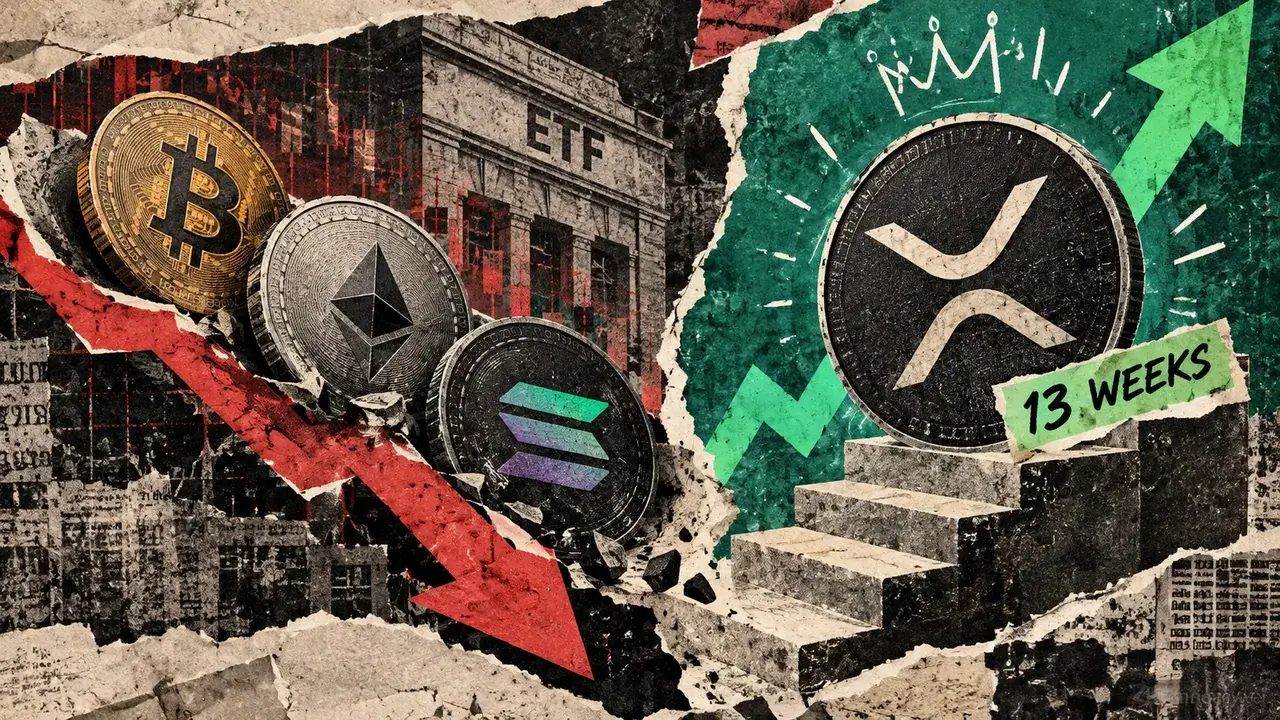
XRP ETFs extend a 13-week inflow streak as Bitcoin, Ethereum and Solana funds shed $1.25 billion
US-listed XRP ETFs extended their inflow streak to 13 weeks as Bitcoin, Ethereum and Solana funds suffered nearly $1.25 billion in...
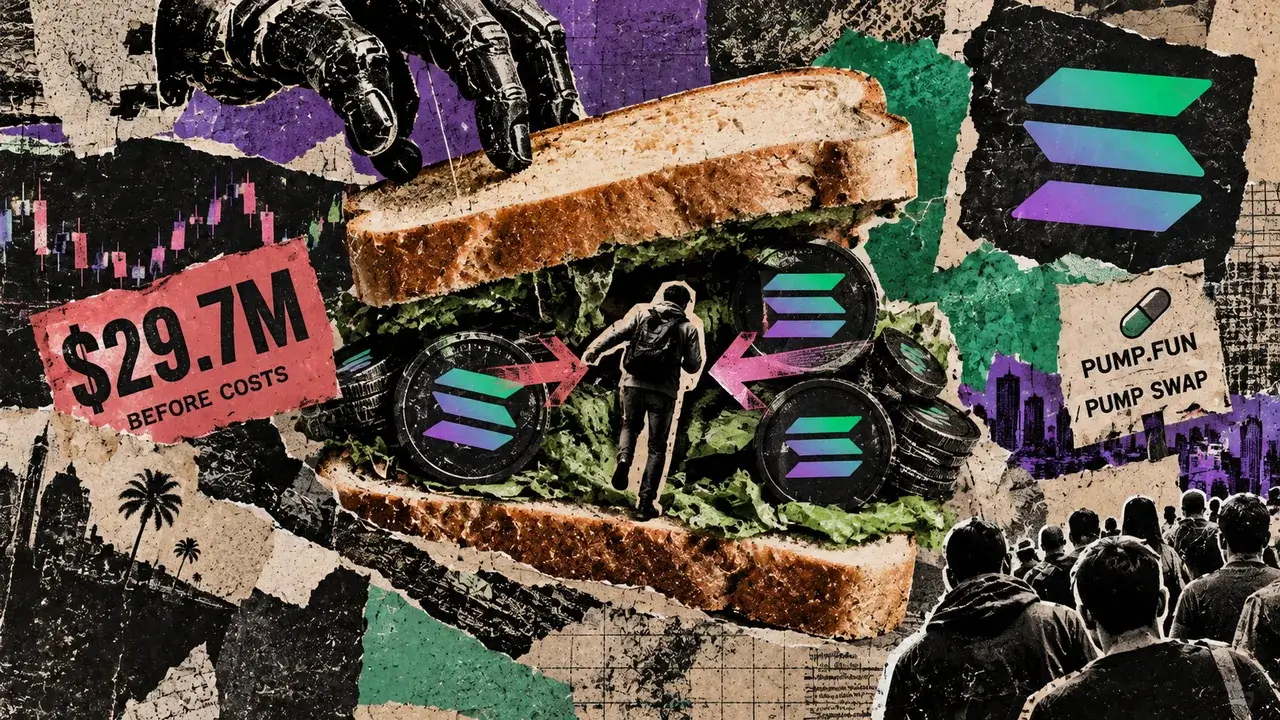
Solana sandwich bots took $29.7 million before costs, mostly targeting Pump.fun
Sandwich bots extracted about $29.7 million before costs from Solana trades over an 11-month period, according to blockchain data...

Bitcoin, Ethereum and Solana ETFs All in the Red for October
Bitcoin ETFs have seen $386.3 million in net outflows through the first seven trading days of October, while Ethereum funds have n...

Thailand wants a piece of the $120 billion Bitcoin and Ethereum ETF market, but on its own terms
Thailand has finalized rules allowing domestic Bitcoin and Ethereum ETFs while restricting retail access to competing overseas inv...
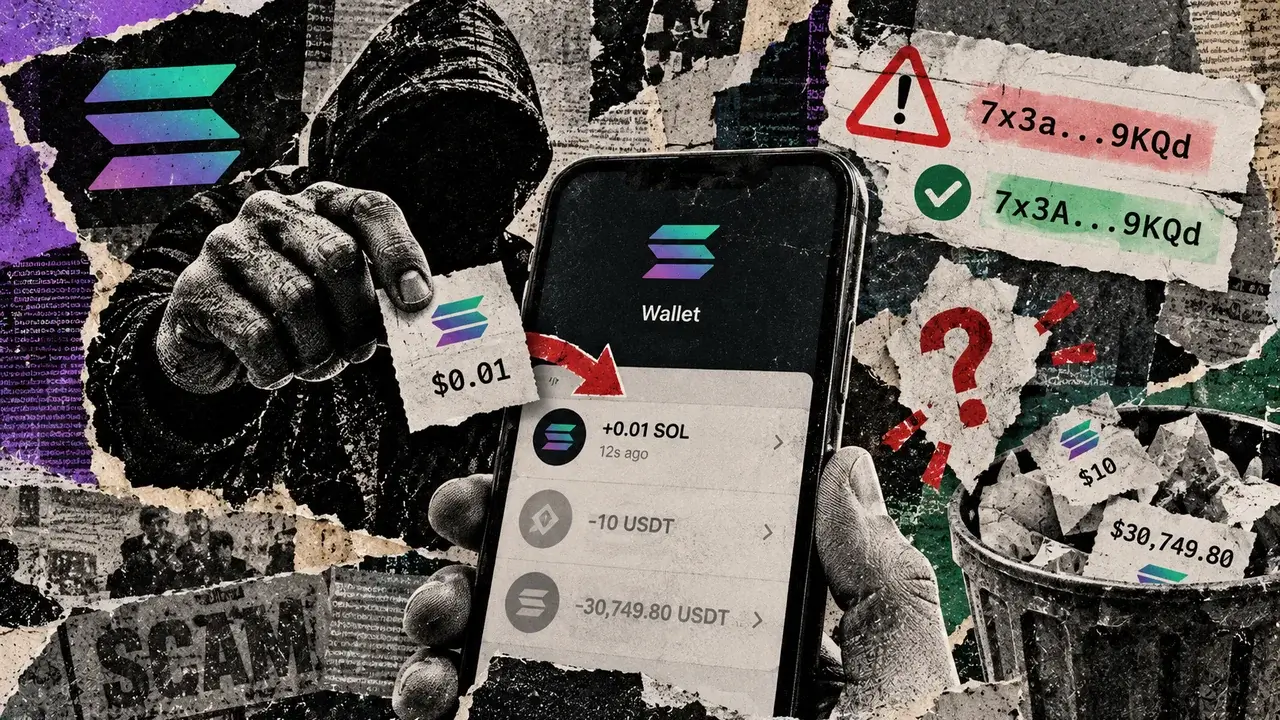
A Solana wallet tested a fake address with $10, then sent it $30,750
Lookalike payment addresses targeted nearly 4.5 million Solana wallets over 11 months, according to blockchain-data firm Bitquery’...

SUI Crypto Up +2% Following $30M DATA Network Investment
SUI crypto trades at $1.12, up +2.2% over 24 hours, as traders weigh a sharp recent rebound against overhead resistance. The Sui F...