Report: Estonian Prime Minister Calls for Restriction of Cryptocurrencies
The Prime Minister of Estonia has said cryptocurrencies must be restricted in order to address loopholes that may be used by sanctioned Russian entities to evade the punitive measures. In addition, the premier wants all...
Archive context
Older archive item. Useful for background and entity history, but not a fresh market-moving signal.
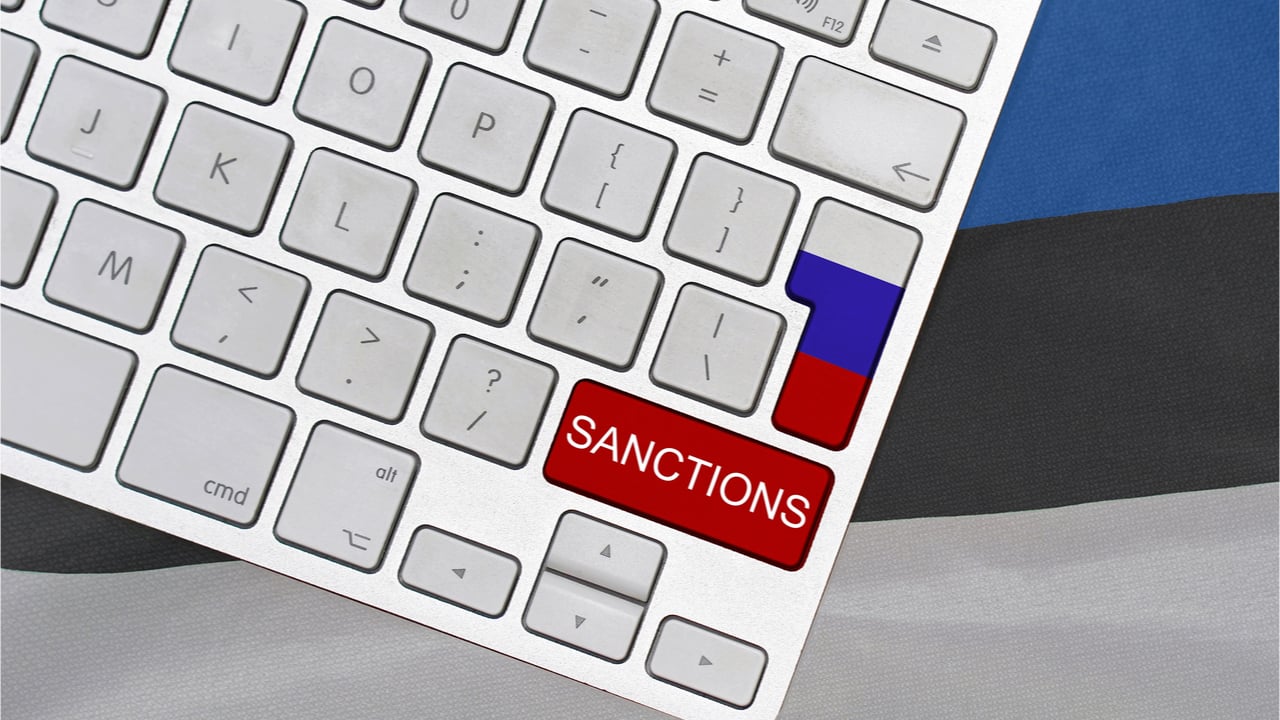
The Prime Minister of Estonia has said cryptocurrencies must be restricted in order to address loopholes that may be used by sanctioned Russian entities to evade the punitive measures. In addition, the premier wants all Russian as well as Belarusian banks to be removed from the global payment network.
Sanction Evasion ConcernsThe Estonian prime minister, Kaja Kallas, has told U.S. Secretary of State Antony Blinken that cryptocurrencies must be “restricted” in order to deny Russia the opportunity to evade recently imposed sanctions.
Prime Minister Kallas’ comments, published by Reuters, came a day after the Financial Crimes Enforcement Network (FinCEN) asked financial institutions to be on the lookout for Russian attempts to evade sanctions.
The comments were made as the Biden Administration is expected to sign an executive order that directs U.S. agencies to study the legal as well as economic implications of creating a central bank digital currency (CBDC).
Besides calling for restrictions on cryptocurrencies, the Estonian premier also told the visiting Blinken that all Russian and Belarusian banks must be removed from the Society for Worldwide Interbank Financial Telecommunication (SWIFT) messaging system.
Kallas, explained why such action against Russia is necessary, emphasized:
Our focus must be on [the] full isolation of Russia from the free world.
Elizabeth Warren’s ProposalSince the beginning of Russia’s military action against Ukraine, the U.S. and EU have responded by removing some Russian banks from the SWIFT messaging system. In addition, allied governments have barred Russia from using the U.S. dollar, the euro, the British pound and the Japanese yen.
However, some in the U.S. and Europe continue to argue that cryptocurrencies may be used by blacklisted Russian entities to evade sanctions. Such concerns have reportedly prompted U.S. Senator Elizabeth Warren to begin working on a draft, which if it becomes law, would make it harder to evade sanctions using cryptocurrencies.
What are your thoughts on Prime Minister Kaja Kallas’ call? You can share your views in the comments section below.
Why this matters
This research story adds another data point to the current market tape and is useful when read alongside nearby source coverage.
Original source
Read on Bitcoin NewsRelated market context

US targets $17 billion Russia-linked crypto payment network using USDT as an escape route
The US sanctioned the Russia-linked A7 Network and proposed new restrictions to cut its crypto intermediaries off from global mark...
Circle can delay European USDC redemptions if reserves cannot cross borders
European USDC holders seeking dollars from Circle could have to wait if reserves cannot move between its French and U.S. issuers,...
US expands Hamas sanctions after tracing crypto transfers from France
The US sanctioned two French charities and three individuals after alleging they helped channel cryptocurrency and other funds to...

Ethereum surges nearly 70% in Q3, but its order books thin out against Bitcoin
Ethereum's liquidity challenges could lead to increased market volatility, impacting traders' strategies and potentially amplifyin...

Binance will require Brazilian users to explain cross-border crypto transfers from Nov. 1
Brazil's new crypto transfer rules may increase regulatory compliance costs and impact cross-border crypto activity efficiency. Th...

Japan sanctions Garantex, freezing assets of exchange tied to $96B in crypto transactions
Japan's sanctions on Garantex highlight global efforts to curb illicit crypto activities, emphasizing increased compliance burdens...