Report: Nigerian CBDC Wallet Update to Enable Utility Payments, USSD Functionality to Be Added
The Nigerian central bank digital currency (CBDC) wallet app is set for an update that will see users given the ability to pay for utilities like pay television and for topping up airtime. The addition of the unstructure...
Archive context
Older archive item. Useful for background and entity history, but not a fresh market-moving signal.
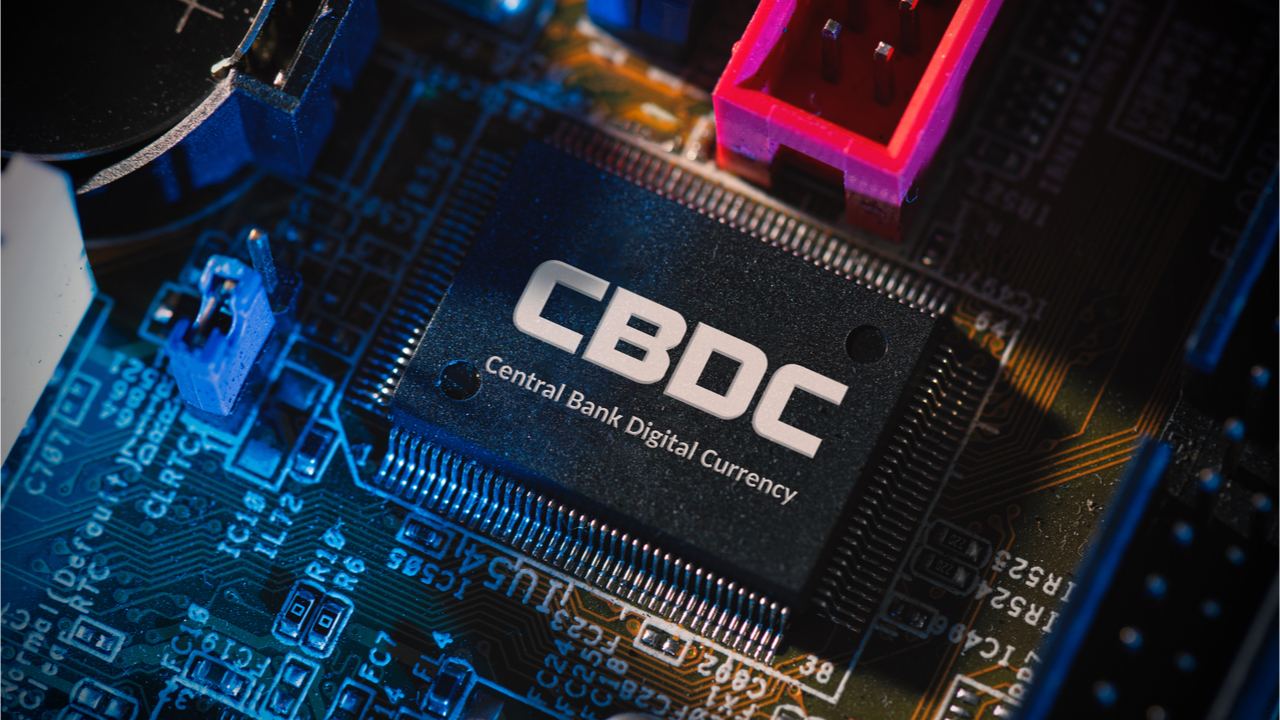
The Nigerian central bank digital currency (CBDC) wallet app is set for an update that will see users given the ability to pay for utilities like pay television and for topping up airtime. The addition of the unstructured supplementary service data (USSD) functionality to the wallet app means people without bank accounts will be able to make payments using the CBDC.
The Update Process
The wallet app for Nigeria’s central bank digital currency, the e-naira, is set to undergo an update that will see users being able to pay for regular utilities like pay television and airtime top-up, an official with the bank has reportedly said.
According to a Nairametrics report that quotes the official — Yusuf Abdul Jelil — the Central Bank of Nigeria (CBN) will initiate the upgrade process by sending a message to users asking them to update the wallet app. Designated the CBN’s e-naira presentative, Jelil made the remarks while attending an event at Kairo Market in Oshodi, Lagos.
“Any moment from now, there is an update coming, you will get a message on your app directing you to update your eNaira speed wallet. Once you update, those services you are asking for will be there whereby you can pay for DSTV, buy a recharge card, pay for airfare and so on,” the CBN representative said.
In the meantime, Jelil also is quoted in the report revealing how the CBN’s plan to add the USSD functionality to the wallet opens the door for non-account holders to use the CBDC. According to one financial specialist and blogger, USSD may be the best available technology that can be used to deliver mobile financial services to low-income customers.
Despite the CBN’s initial claims that the e-naira would be beneficial to the financially excluded, the central bank’s CBDC did not come with the USSD functionality. Having no USSD functionality means the e-naira is being used by those with access to financial services already. However, by adding the USSD code 997, the CBN is making it possible for those without bank accounts to use the CBDC.
Meanwhile, Obinna Umeh, the secretary of the Oshodi Market Union, is quoted in the report commending the central bank’s decision to inform Nigerians about the upcoming update. He said prior to Jelil’s latest communication, traders had been inundated with fake wallet app alerts.
“The CBN couldn’t have come at a better time to educate us about e-Naira; there’s almost no day we don’t have to settle disputes about fake alerts, times that we could channel into more productive things,” Umeh is quoted explaining.
What are your thoughts on this story? Tell us what you think in the comments section below.
Why this matters
This research story adds another data point to the current market tape and is useful when read alongside nearby source coverage.
Original source
Read on Bitcoin NewsRelated market context
Samsung Wallet is getting native stablecoins – and it could make one token the default for 800M users
Some crypto investors raised an eyebrow this week when Samsung, in its official Galaxy Unpacked recap, said updates to Wallet “wil...
Bitcoin mining giant Poolin files for bankruptcy owing 11,700 users $164 million
Bitcoin mining pool Poolin Technology filed for Chapter 11 with $163.7 million in IOUs owed to wallet users. Its two Texas affilia...

Elliptic Report Shows How Bitcoin ATM Scams Move From Cash To On-Chain Wallets
Elliptic has published a new report explaining how Bitcoin ATM scams work, and the most useful part is not the usual warning that...
Samsung Says Wallet Will Add Stablecoin Support
Samsung Wallet will support stablecoins, Samsung product manager Lee Dinham said at the company's Galaxy Unpacked event in London...
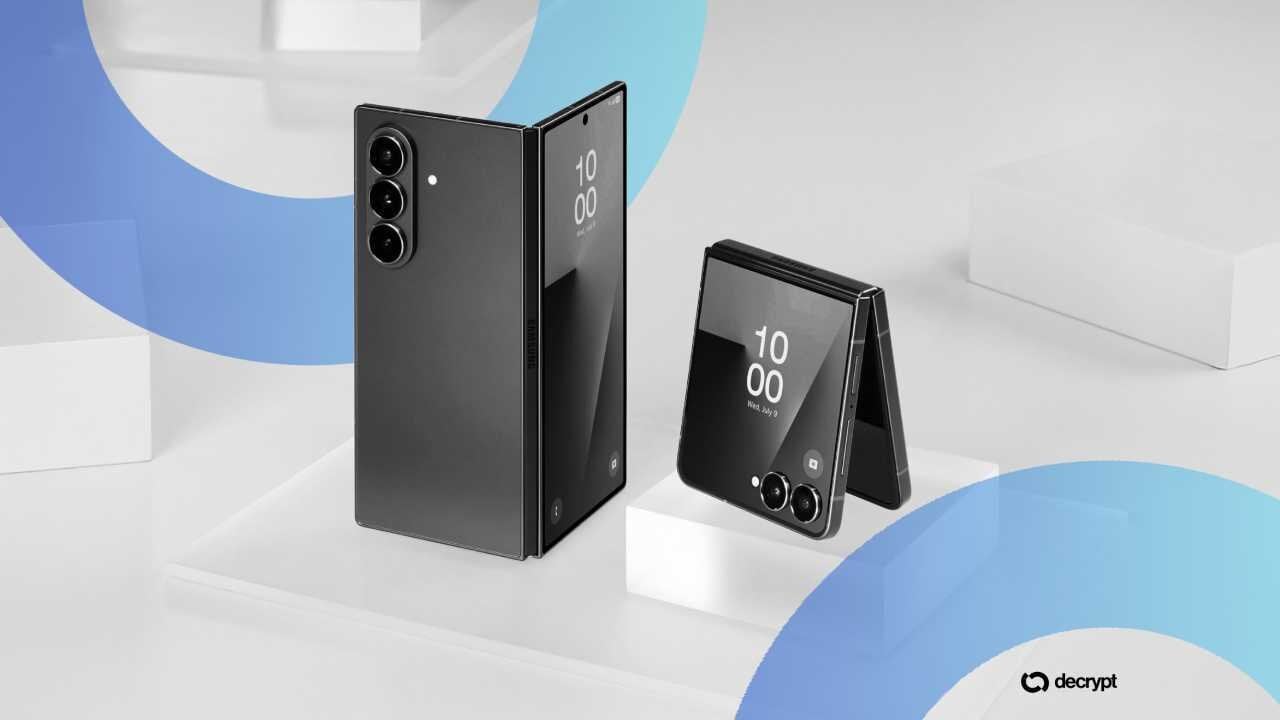
Samsung Wallet Will Add Stablecoin Support, Including USDC
Samsung showed a wallet mockup holding Circle's USDC at Galaxy Unpacked. But details are scarce.

Poolin, Once-Dominant Bitcoin Mining Giant, Announced Bankruptcy
Key Takeaways: Poolin has filed for Chapter 11 bankruptcy protection in the U.S., representing about 20% of Bitcoin’s global hashr...