Report: Nigerian Crypto Restrictions and Twitter Ban Have ‘Crippled Foreign Direct Investment in the Fintech Industry’
A new report has concluded that restrictions on cryptocurrency trading, as well as the banning of Twitter by Nigerian authorities, may have “crippled foreign direct investment in the fintech industry.” Foreign Direct Inv...
Archive context
Older archive item. Useful for background and entity history, but not a fresh market-moving signal.

A new report has concluded that restrictions on cryptocurrency trading, as well as the banning of Twitter by Nigerian authorities, may have “crippled foreign direct investment in the fintech industry.”
Foreign Direct Investment ‘Crippled’
A new report has found that restrictions imposed by Nigerian authorities on crypto trading may have contributed to the reduced foreign direct investment that goes to the fintech industry. The same restrictions, as well as the banning of Twitter, have also adversely affected young Nigerians who were earning money via crypto trading.
The report, which is titled Africa’s Urbanisation Dynamics 2022: The Economic Power of Africa’s Cities, was jointly published by the secretaries-general of the Organisation for Economic Co‑operation and Development (OECD) and the United Nations (UN).
“The restrictions on cryptocurrency transactions and the outright ban of Twitter in Nigeria have crippled foreign direct investment in the fin‑tech industry and negatively impacted millions of young Nigerians who earn a living from the sector,” the report concluded.
However, an excerpt from the report published by Business Insider Africa suggested some Nigerian youths may have found ways to “lawfully bypass these restrictions and continue the business.” This fact is also backed by a Bitcoin.com News report which stated that peer-to-peer crypto trading in Nigeria had surged shortly after the central bank asked financial institutions to stop facilitating crypto-related transactions.
By switching to alternative yet legal ways of transacting, the report opined that traders were “effectively denying Nigeria the taxes and transaction fees that would otherwise come into the system.”
What are your thoughts on this story? Tell us what you think in the comments section below.
Why this matters
This research story adds another data point to the current market tape and is useful when read alongside nearby source coverage.
Original source
Read on Bitcoin NewsRelated market context

Bitcoin Miners Are Becoming AI Landlords. But Which Leases Are a Positive Investment Signal?
The best story in bitcoin mining hasn’t had anything to do with bitcoin in a long time. Years ago, this business (which long lived...

SEC Sets 24-Hour Trading Roundtable As Markets Move Toward Always-On Finance
The SEC is preparing to hold a public roundtable on 24-hour trading, and while the announcement is focused on US equity markets ra...
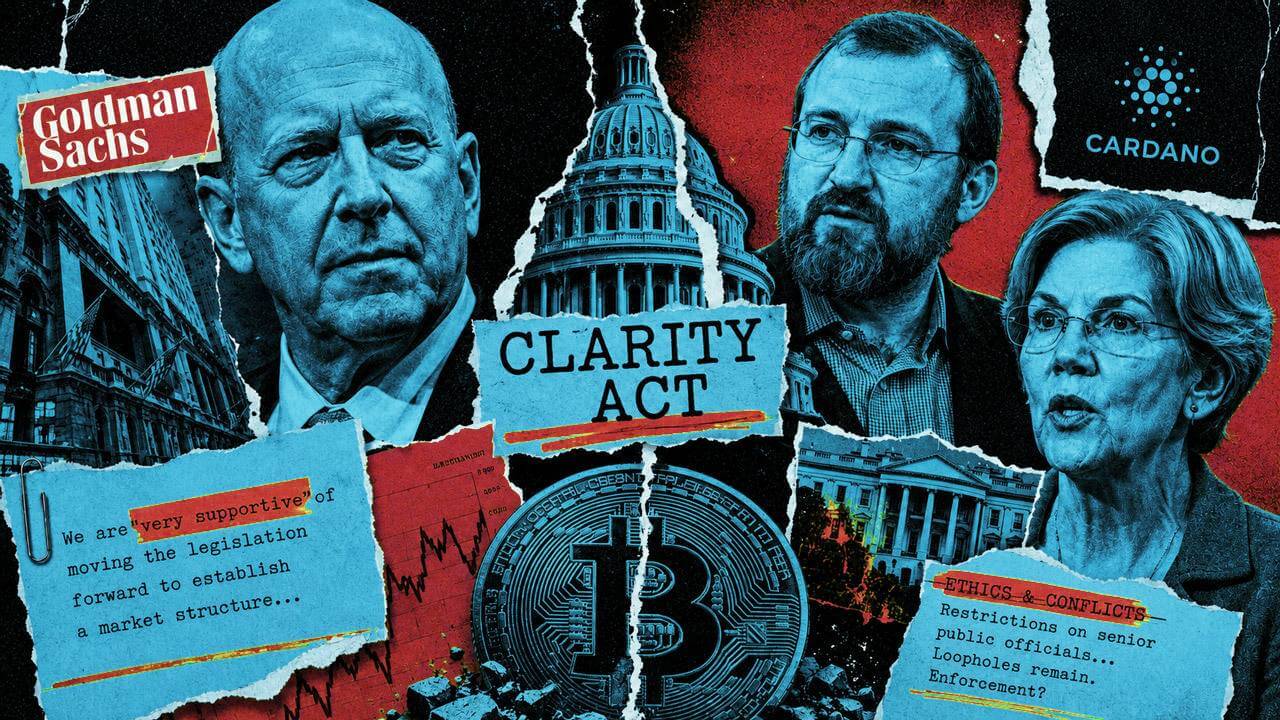
CLARITY Act splits Wall Street and crypto as Goldman Sachs breaks with banks and Charles Hoskinson backs Warren
The revised CLARITY Act is exposing unusual divisions across Wall Street, Washington and the crypto industry as lawmakers struggle...

BitMEX Faces Proposed Class Action Seeking Return Of 622 BTC
BitMEX is facing a proposed class action in the Southern District of New York seeking the return of 622.66 BTC over alleged forced...
$7 Trillion Investment Giant Fidelity Backs New Crypto Clarity Act
Bitcoin Magazine $7 Trillion Investment Giant Fidelity Backs New Crypto Clarity Act Investment giant Fidelity is the latest big pl...

SEC Enforcement Deputy Sam Waldon To Step Down As Agency Reshuffles Leadership
Sam Waldon, the Principal Deputy Director of the SEC’s Division of Enforcement, will leave the agency on July 31, 2026, marking a...