Report: Sudan Rejects Russian Illicit Gold Smuggling Allegations
Sudan has denied claims Russian entities have smuggled hundreds of tonnes of illicit gold from its territory. Officials have called the allegations fake news and suggested that Sudan is in fact looking to revive its econ...
Archive context
Older archive item. Useful for background and entity history, but not a fresh market-moving signal.

Sudan has denied claims Russian entities have smuggled hundreds of tonnes of illicit gold from its territory. Officials have called the allegations fake news and suggested that Sudan is in fact looking to revive its economy through gold mining.
The Rise in Russia’s Gold Holdings
The Sudanese Ambassador to Russia Onor Ahmed Onor recently dismissed claims entities from the latter country have smuggled “hundreds of tonnes of illicit gold” from his country’s territory for years. In pushing back against the allegations, Onor called the report published by the British Telegraph newspaper “fake news” and added the story had been “created from the imagination” of the story’s writer.
In its report, the Telegraph newspaper said Russia, which is the world’s third-largest producer of gold, had overseen the more than 300% growth in the amount of gold held at the country’s central bank since 2010. The report alleges that most of the gold was sourced from Africa with Sudan being at the center of the smuggling. The gold holdings, according to the report, would be used to shield the Russian currency from the effects of Western sanctions against Moscow.
The report cites an unnamed executive of one of Sudan’s largest gold companies who alleges that the precious metal is smuggled via “small planes from military airports dotted across the country to Russia.”
Meanwhile, Onor’s rejection of the smuggling claims followed reports that Sudan’s military government is in fact planning to use the country’s 50-per-tonne-year gold mining industry to avert a possible collapse of the economy. As reported by VOA, the Sudan military government’s second in command, General Mohamed Hamdan Dagalo, recently met with gold miners who pledged to deliver the precious metal to the central bank.
The report also said Dagalo, who is also known as Hemeti, had talked about how illegal gold buyers — 40 of whom had been arrested — are not the problem. Instead, the military ruler points a finger at the unknown parties that sell the precious metal to smugglers. He added: “We will find out.” However, as noted in the report, Hemeti did not give details with respect to the nationalities that had been arrested for illicit gold transactions.
Although the Sudanese government officials have rejected the Russian gold smuggling claims, VOA reported that Hemeti had visited Moscow prior to the start of the hostilities in Ukraine. During the visit, it was reported the military ruler had discussed increasing cooperation between Sudan and Russia.
What are your thoughts on this story? Tell us what you think in the comments section below.
Why this matters
This research story adds another data point to the current market tape and is useful when read alongside nearby source coverage.
Original source
Read on Bitcoin NewsRelated market context

Kuwait denies Wall Street Journal report on military strikes against Iran, rattling already nervous crypto markets
Kuwait denies WSJ report on airstrikes against Iran. The geopolitical uncertainty adds volatility risks for Bitcoin and crypto tra...

IRGC claims destruction of US military aircraft and radar systems as crypto markets navigate war volatility
Iran's IRGC claims destruction of US military aircraft and radar systems. Here's how the unverified strikes impact crypto markets...
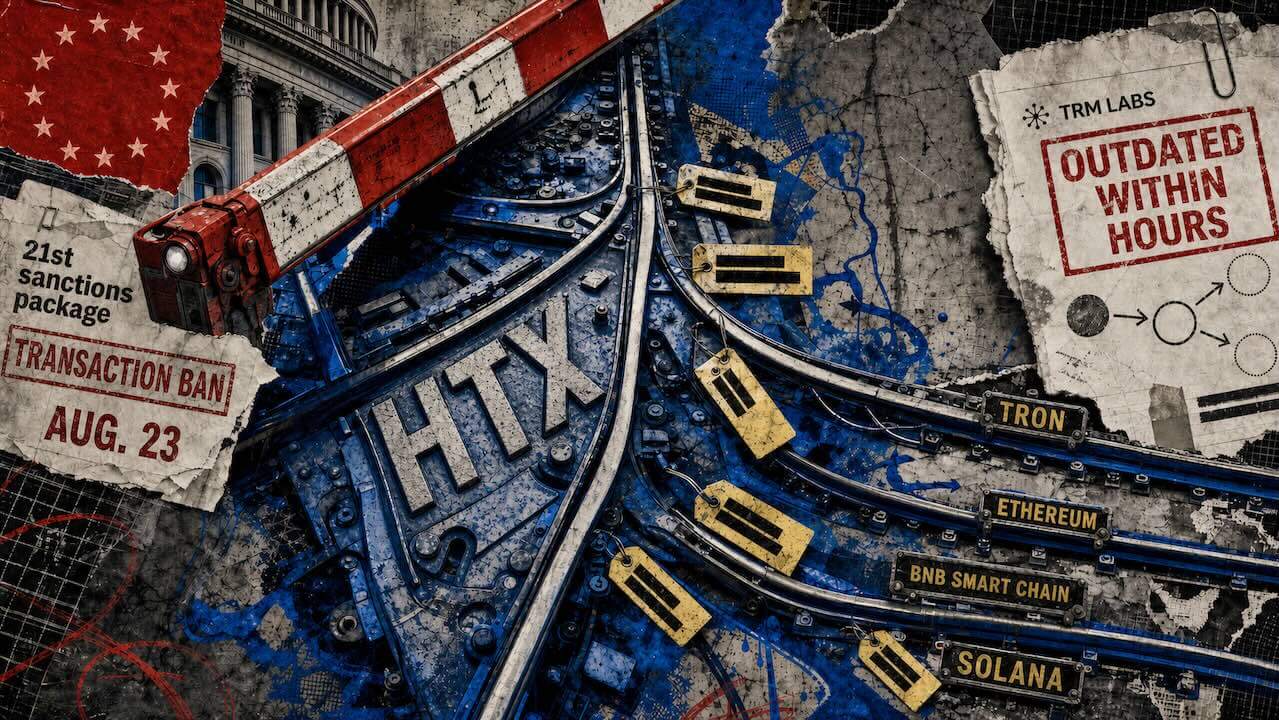
EU expands HTX crackdown as Russia-linked crypto network keeps shifting its financial rails
The European Union has sanctioned HTX, widening a Russia crackdown that has already affected counterparties beyond the exchange. T...

The EU’s 21st Russia Sanctions Package Targets Crypto Platforms for Sanctions Evasion, Introduces Third-Country Ban Mechanism
Summary The EU’s 21st Russia sanctions package introduces a transaction ban on 14 crypto-related service platforms across six juri...

EU authorities include HTX exchange in Russian sanctions
The exchange, already sanctioned by the UK, is now on a list of 18 entities “providing crypto-assets services or payment services“...
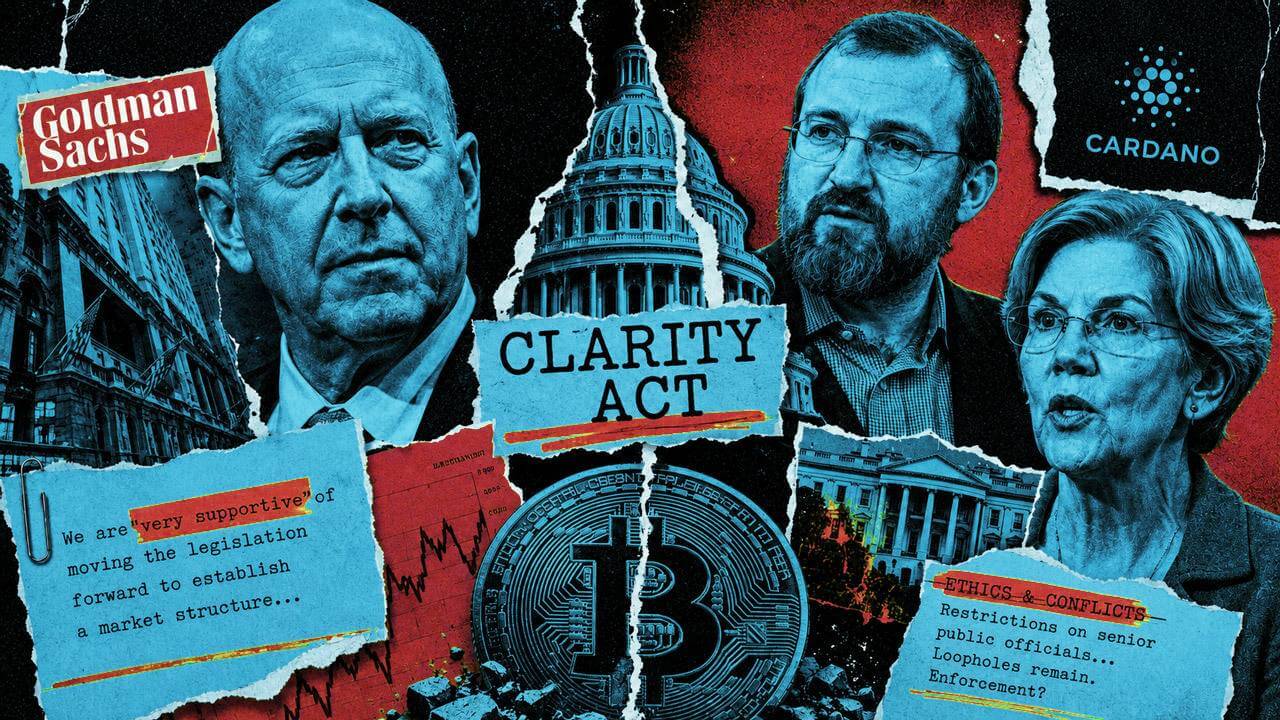
CLARITY Act splits Wall Street and crypto as Goldman Sachs breaks with banks and Charles Hoskinson backs Warren
The revised CLARITY Act is exposing unusual divisions across Wall Street, Washington and the crypto industry as lawmakers struggle...