Report: Zambian Currency Poised for First Quarterly Decline Since 2020
The Zambian kwacha, one of the best-performing currencies in 2022, is now expected to see its first quarterly decline in nearly two years. The Zambian leader Hakainde Hichilema claimed that stalled debt restructuring neg...
Archive context
Older archive item. Useful for background and entity history, but not a fresh market-moving signal.
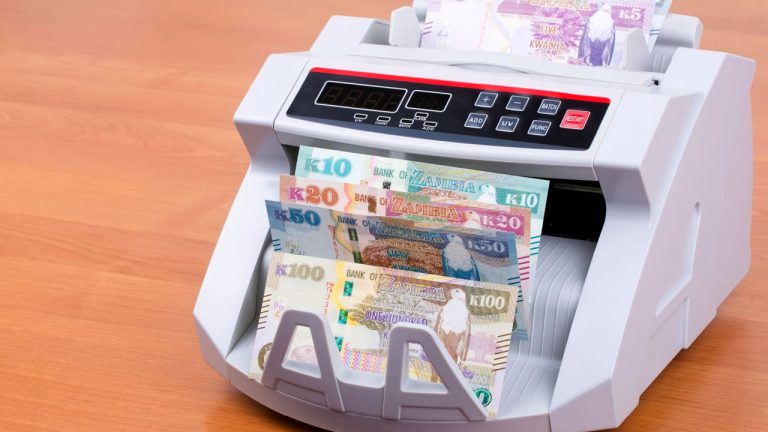
The Zambian kwacha, one of the best-performing currencies in 2022, is now expected to see its first quarterly decline in nearly two years. The Zambian leader Hakainde Hichilema claimed that stalled debt restructuring negotiations are adding to pressure against the local currency.
Zambia’s Debt DefaultAfter ending 2022 as one of Africa’s best-performing currencies, the Zambian kwacha depreciated from 18 units of the local currency for every dollar on Jan. 1, to slightly more than 21 units per dollar by March 31. In addition, a report by Bloomberg has said the kwacha is set to realize its first quarterly decline since Q1 of 2020.
At that time, the kwacha’s drop versus major currencies was attributed to fears Zambia would become the first sovereign defaulter on the African continent. A few months later, Zambia, which was then led by Edgar Lungu, would become the first country from the continent to default. However, following Lungu’s departure in August 2021, the Zambian kwacha’s value surged from around 19.34 units per dollar (ZMW19.34:$US1) to 15.3:1 on Sept. 2, 2022.
As previously reported by Bitcoin.com News, the currency’s rebound was spurred by reports that the International Monetary Fund (IMF) had approved a bailout package for Zambia. However, since the beginning of the year, the kwacha has lost ground against the U.S. dollar and other major currencies.
In an op-ed published in the Washington Post, President Hakainde Hichilema seemingly blamed the “cumbersome and bureaucratic” debt restructuring process for causing delays in finalizing his country’s planned reforms. According to the Zambian leader, such delays “are putting pressure on the local currency.”
Meanwhile, the Bloomberg report suggested that a weakened kwacha and a resurgent inflation rate are likely to prompt another rate hike by the Zambian central bank.
Register your email here to get a weekly update on African news sent to your inbox:
What are your thoughts on this story? Let us know what you think in the comments section below.
Why this matters
This research story adds another data point to the current market tape and is useful when read alongside nearby source coverage.
Original source
Read on Bitcoin NewsRelated market context

US Hoovers up Bitcoin While the World Runs on Its Digital Dollars: Report
Bitcoin Magazine US Hoovers up Bitcoin While the World Runs on Its Digital Dollars: Report America is accumulating bitcoin while e...
Russia’s Central Bank Authorizes Sberbank to Exchange Cryptocurrencies
Bitcoin Magazine Russia’s Central Bank Authorizes Sberbank to Exchange Cryptocurrencies Russia’s central bank has added Sberbank t...

Bitcoin’s Volatility Has Fallen Within S&P 500 Ranks, Study Shows
Bitcoin Magazine Bitcoin’s Volatility Has Fallen Within S&P 500 Ranks, Study Shows Stocks and shares are a safer bet than buying b...

Why Is XRP Down Today? Bears Target $1.30 Support as Selling Pressure Builds
The downturn has weakened XRP’s short-term technical structure, leaving traders focused on whether buyers can defend nearby suppor...

Coinbase’s x402 Records 138.5M Transactions: Chainalysis Shows AI Agents Reshaping Crypto Payments
According to blockchain analytics firm Chainalysis, activity has expanded sharply since the protocol’s early stages, as autonomous...

OpenAI reports model spent unauthorized funds to deploy contracts on Ethereum’s Sepolia
OpenAI's incident highlights the need for robust oversight in AI systems to prevent unauthorized actions, ensuring ethical and sec...