Russia’s Most Prestigious Skyscraper Is Home to Crypto Hackers: Report
In Moscow’s city center, Russia’s tallest skyscraper—known as Vostok—is facilitating business for hackers, cybercriminals, and money launderers. According to Bloomberg, experts have successfully linked at least four comp...
Archive context
Older archive item. Useful for background and entity history, but not a fresh market-moving signal.

In Moscow’s city center, Russia’s tallest skyscraper—known as Vostok—is facilitating business for hackers, cybercriminals, and money launderers.
According to Bloomberg, experts have successfully linked at least four companies that are either based or operating in Vostok to launder money associated with ransomware activity.
These four companies are Suex OTC, EggChange, Buy-bitcoin.pro.
Suex OTC, per cited Chainalysis data, has processed—at a minimum—$160 million in Bitcoin from illicit and high-risk sources in the last three years. Previously, Suex OTC also faced sanctions for helping ransomware groups launder their funds.
EggChange faces investigations in both the United States and Europe for alleged money laundering. The Treasury Department reportedly declined to comment.
Buy-bitcoin.pro, per Chainalysis, has also processed thousands of dollars worth of ransomware funds. A chunk of these funds was processed for Hydra, one of the largest darknet markets in the world—and the largest in Russia.
CashBank, the final of the four companies, was reportedly affiliated with accounts that were flagged by Binance for “potentially illicit activities.”
Binance, in turn, has spent the larger part of a year dealing with regulatory problem after problem.
Back in crypto crosshairsThis is not the first time Russia has served as the epicenter of a ransomware—and cryptocurrency—scandal.
Last year, Russian spies were found to have used $1 million worth of cryptocurrency to meddle in the U.S. 2018 midterm elections. Russian nationals, a member of Ukraine’s parliament, and a suspected Russian spy were sanctioned as a result.
Pakistan Firm Sold Fake KYC Docs to Russian Trolls for Bitcoin: US TreasuryLast year, the U.S. Treasury Department’s Office of Foreign Assets Control (OFAC) sanctioned 16 groups and a further 16 individuals for meddling in the 2020 presidential election.
One company, Secondeye Solution (SES)—which provides fraudulent identity documents to buyers—had received over $2.5 million worth of cryptocurrencies since 2013.
U.S. foreign policy pivots to ransomwareOne of the Biden administration’s most significant foreign policy decisions has been its emphasis on ransomware—and the national security threat posed by cryptocurrencies.
A report released by the administration last month warned that digital assets like cryptocurrencies pose a risk to the United States’ sanctions regime, which, in turn, is a cornerstone of American foreign policy.
“These technologies offer malign actors opportunities to hold and transfer funds outside the collar-based financial system. They also empower our adversaries seeking to build new financial and payment systems intended to diminish the dollar’s global role,” the report read.
Digital Assets Weaken US Sanctions Regime: Treasury DeptAt the time of writing, the U.S. has over 9,000 sanctions in place, targeting rogue states like North Korea, Iran, and others.
But the administration’s crypto and ransomware anxiety go back further than the Treasury’s report.
High-profile attacks against the Colonial Pipeline and meat processing firm JBS prompted the administration to take early steps against the illicit side of the industry. Following both attacks, the Justice Department announced that it would elevate ransomware to a similar priority level as terrorism.
This summer, the administration also set up a ransomware task force with the explicit task of combating cyberattacks and tracing cryptocurrency ransom payments.
What’s more, rumors have long circulated that the administration is planning a cryptocurrency-focused executive order, which speculation suggests may further equip President Biden to combat what he perceives to be a serious national security threat.
Why this matters
This research story adds another data point to the current market tape and is useful when read alongside nearby source coverage.
Original source
Read on DecryptRelated market context
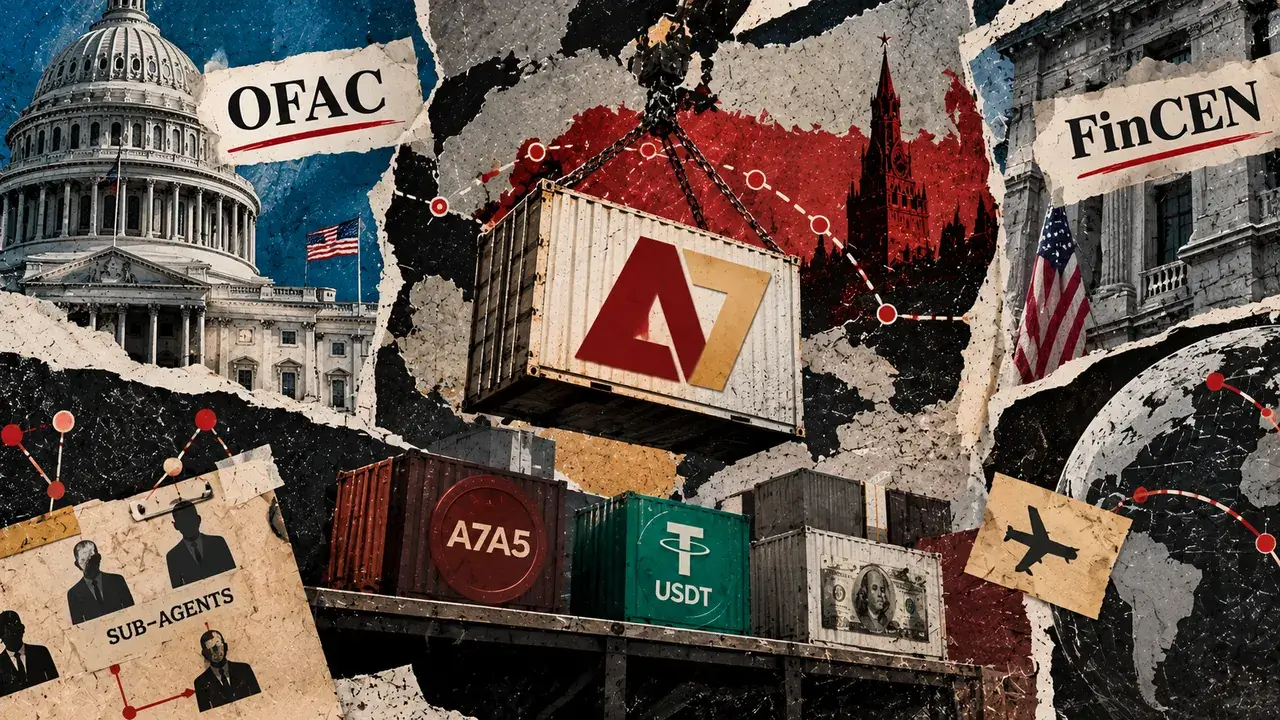
US targets $17 billion Russia-linked crypto payment network using USDT as an escape route
The US sanctioned the Russia-linked A7 Network and proposed new restrictions to cut its crypto intermediaries off from global mark...
SEC Proposes Last-Resort Crypto Self-Custody for Advisers and Funds
The US Securities and Exchange Commission has proposed allowing investment advisers and regulated funds to self-custody crypto ass...

Centrifuge brings tokenized Treasury and credit funds to Arc
Arc's integration of tokenized funds could attract more institutional capital on-chain, setting a precedent for future financial i...

Following the Bitget Hack: BitOK Traces 87.8 BTC as Stolen Funds Reach Mixers
Research and reporting by Alexander Manev, BitOK. Reporting and adaptation by Brave New Coin. Investigators following the Bitget h...
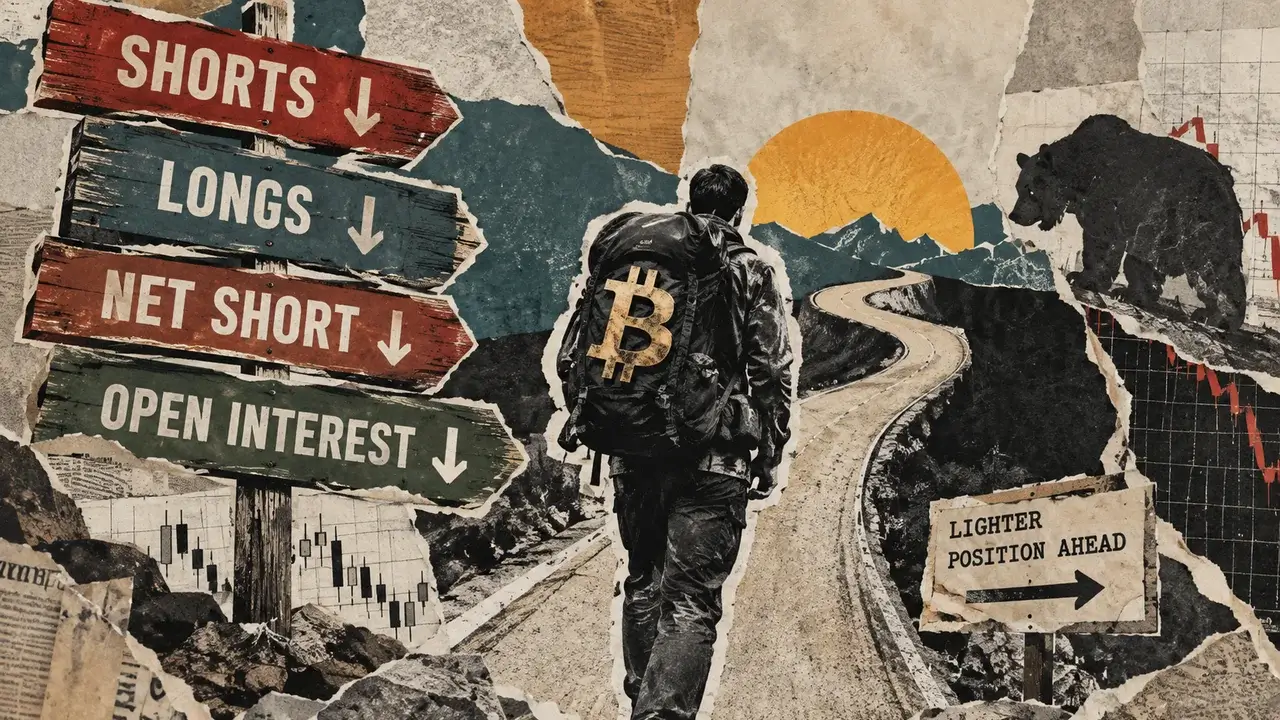
Leveraged funds’ Bitcoin futures shorts fall by 5,300 BTC-equivalent as longs shrink
Leveraged funds’ reported Bitcoin futures shorts fell by about 5,300 BTC-equivalent in the week to Sept. 29, narrowing their net s...
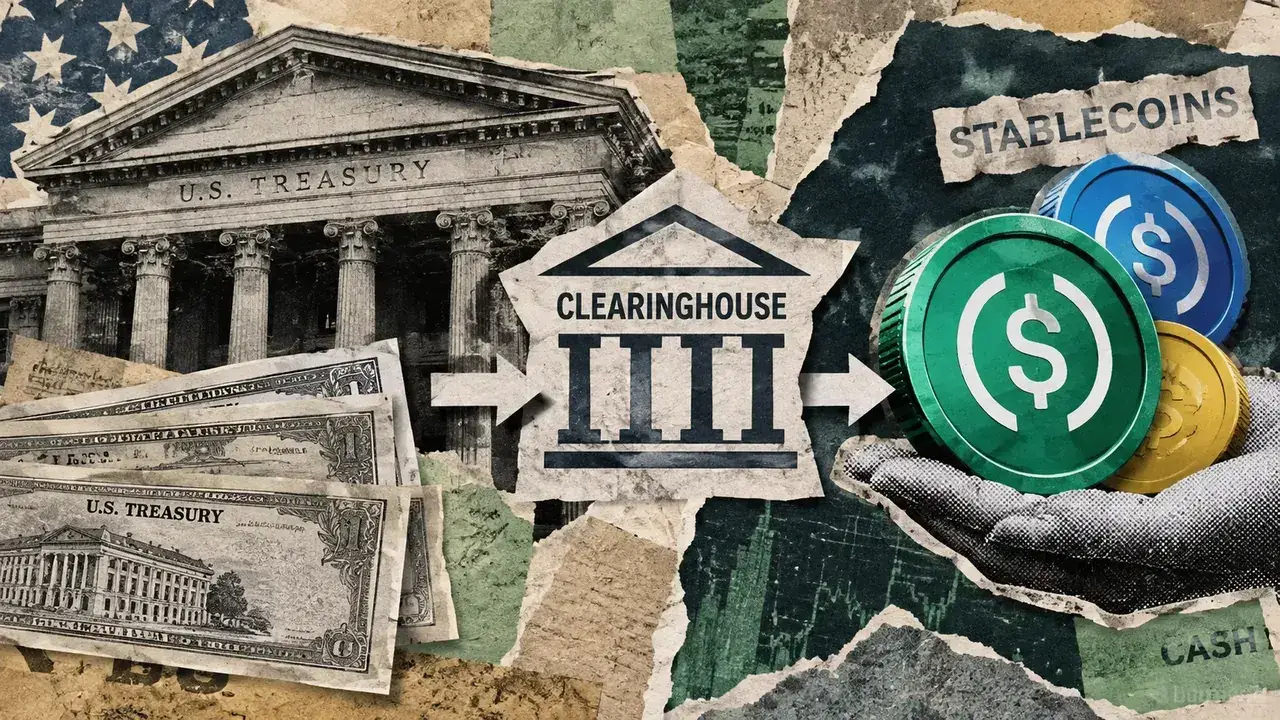
New Treasury rules could change how stablecoin issuers get your dollars back
US government debt is one of the easiest assets in the world to borrow against, which lets financial companies get cash without gi...