SEC Filing Alert: Grayscale Submits Form 8-K for Horizen Trust
This filing marks an essential move to provide transparency and bolster investor confidence in its Horizen Trust product. The Form 8-K submission, dated November 23, 2024, highlights key updates and developments regardin...
Archive context
Older archive item. Useful for background and entity history, but not a fresh market-moving signal.

This filing marks an essential move to provide transparency and bolster investor confidence in its Horizen Trust product.
The Form 8-K submission, dated November 23, 2024, highlights key updates and developments regarding Horizen Trust. Although the specific details remain confidential, the filing underscores Grayscale’s commitment to adhering to regulatory standards and enhancing its product offerings. Horizen Trust aims to simplify exposure to Horizen’s ZEN tokens for investors, eliminating the need for direct token management.
What is Form 8-K?Form 8-K, often referred to as the “current report,” is a mandatory SEC filing used by publicly traded companies to disclose significant corporate events. These filings ensure that investors are promptly informed of material developments, ranging from mergers and executive changes to cybersecurity incidents. Introduced in 1936, Form 8-K has undergone several updates, including a 2004 overhaul that expanded its scope and shortened filing deadlines to four business days.
Source: X
By adhering to these requirements, Grayscale demonstrates its dedication to keeping stakeholders informed while meeting SEC compliance standards. The Form 8-K ensures investors have access to unfiltered, accurate, and timely information crucial for making informed decisions.
The Recent Legal Victory: A Double-Edged SwordSignificant attention was paid to Grayscale’s recent legal victory against the SEC regarding the transformation of its flagship Grayscale Bitcoin Trust (GBTC) into a spot Bitcoin ETF. In support of Grayscale, the U.S. Court of Appeals declared that the SEC’s rejection of their ETF registration was “arbitrary and capricious.” Although this decision represented a short-term victory for the company, it also sparked questions about its combative legal strategy against authorities.
Horizon (ZEN) price chart. Source: Brave New Coin
Critics contend that Grayscale may alienate lawmakers by concentrating on lawsuits rather than working with authorities. Grayscale’s future prospects are questionable due to the SEC’s continued examination of the cryptocurrency industry, as many doubt the feasibility of the ETF conversion in a regulatory climate that is still challenging for digital assets.
Controversies Surrounding GBTCGrayscale’s flagship product, GBTC, has faced mounting criticism for its management fees and structural inefficiencies. GBTC is notorious for its high management fee of 2%, significantly higher than traditional ETFs. Investors have expressed frustration over the persistent negative premium—the trading price of GBTC shares being lower than the underlying Bitcoin value—which, at one point, reached a staggering 50% discount.
The inability of investors to redeem shares for Bitcoin directly exacerbates the problem. Despite promises to address these issues, Grayscale has yet to implement solutions, leaving many questioning whether the firm prioritizes its investors’ interests or its revenue streams.
Mounting Pressure from CompetitorsDue to the increased competition in the cryptocurrency investing market, prominent organizations like Fidelity and BlackRock have filed for Bitcoin ETFs. These companies’ institutional influence and regulatory knowledge may outweigh Grayscale’s products.
Concerns have been raised regarding Grayscale’s flexibility in a market that is changing quickly because of its reliance on GBTC as its main source of income. When new competitors provide more investor-friendly options, the company’s market share may be eroded due to its tardiness in broadening its product line and fixing structural issues with GBTC.
Allegations of Lack of TransparencyGrayscale has also been criticized for its lack of transparency in operations. Although the company releases quarterly reports, critics contend that these don’t offer enough detailed information about the financial standing of GBTC and other trusts. Mistrust has also been stoked by inquiries over the company’s custody policies and whether all of the Bitcoin kept in GBTC’s reserves is completely accounted for.
Independent audits of Grayscale’s reserves have been demanded due to transparency issues, but the company has opposed these requests, claiming security concerns. This resistance has only heightened suspicions about their internal practices.
Regulatory Challenges AheadWhile Grayscale’s aggressive strategy against the SEC and dependence on court decisions to further its corporate goals may result in short-term gains, they run the danger of long-term repercussions. The company’s tense relationship with authorities may encourage more stringent scrutiny, which could impede its aspirations for expansion.
Additionally, its legal disputes take time and resources away from resolving fundamental investor issues like the excessive management fees and GBTC’s discount.
Grayscale’s aggressive strategies and ongoing controversies present a mixed picture. While its efforts to pioneer cryptocurrency investment products have pushed the industry forward, the firm’s management practices, transparency issues, and regulatory battles have left it vulnerable to criticism. As the cryptocurrency market matures, Grayscale must address these concerns to maintain investor trust and remain competitive in an increasingly crowded landscape.
Why this matters
This research story adds another data point to the current market tape and is useful when read alongside nearby source coverage.
Original source
Read on Brave New CoinRelated market context

Evernorth XRP Treasury Merger Brings 473 Million XRP to Nasdaq as XRPN Debuts October 12
The transaction gives public-market investors another route to gain exposure to XRP through a company that actively manages its di...

Former Story Blockchain Plans to Shut Down and Rebuild Its AI Data Registry on Sui
The DATA Network, the blockchain formerly known as Story, will shut down its own chain and rebuild as a protocol running on Sui, w...
XRP’s next Wall Street expansion comes with an unexpected complication from Ripple
Evernorth is preparing to begin trading on Nasdaq on Monday, bringing approximately 473 million XRP into a publicly traded treasur...
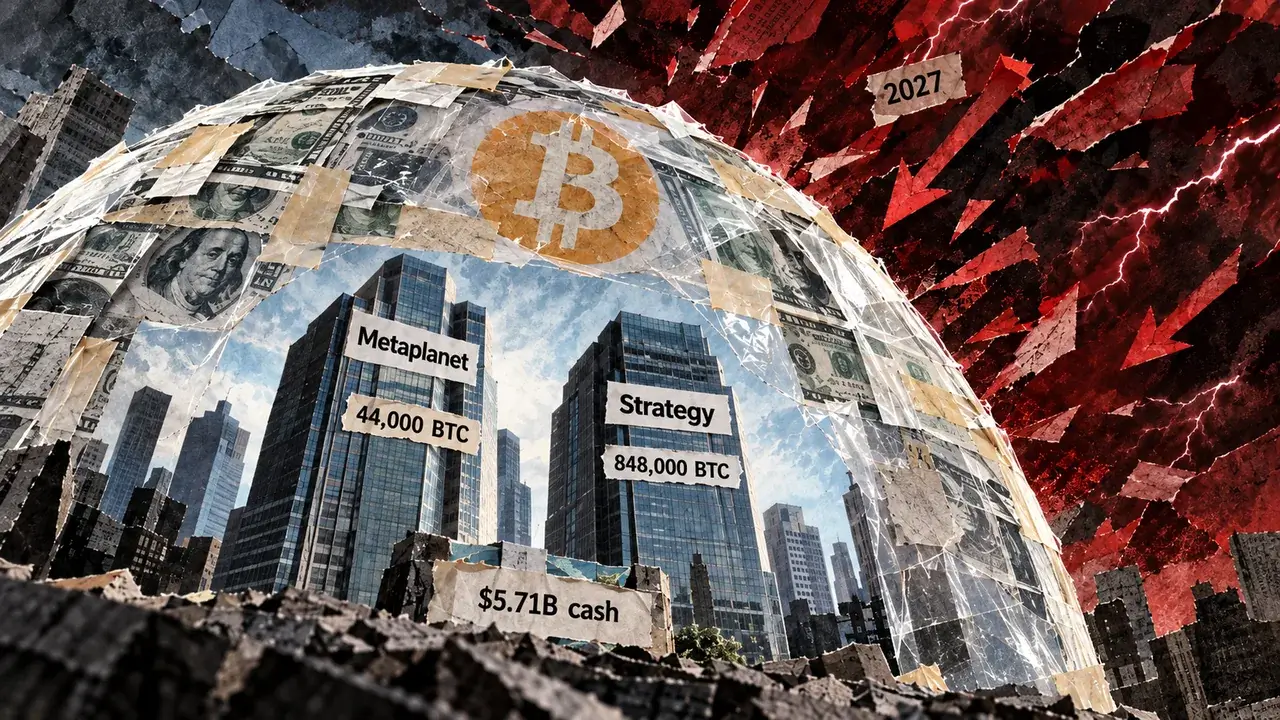
Bitcoin companies are learning that holding forever takes cash
Metaplanet sold 10,000 BTC and bought back 11,000 at a higher average price to show it was willing to sell its Bitcoin. The Japane...

Being right about Bitcoin won’t save your 3x leveraged ETF position
Bitcoin's next recovery could vindicate your investment thesis but leave your leveraged fund deep in the red, because the fund's d...
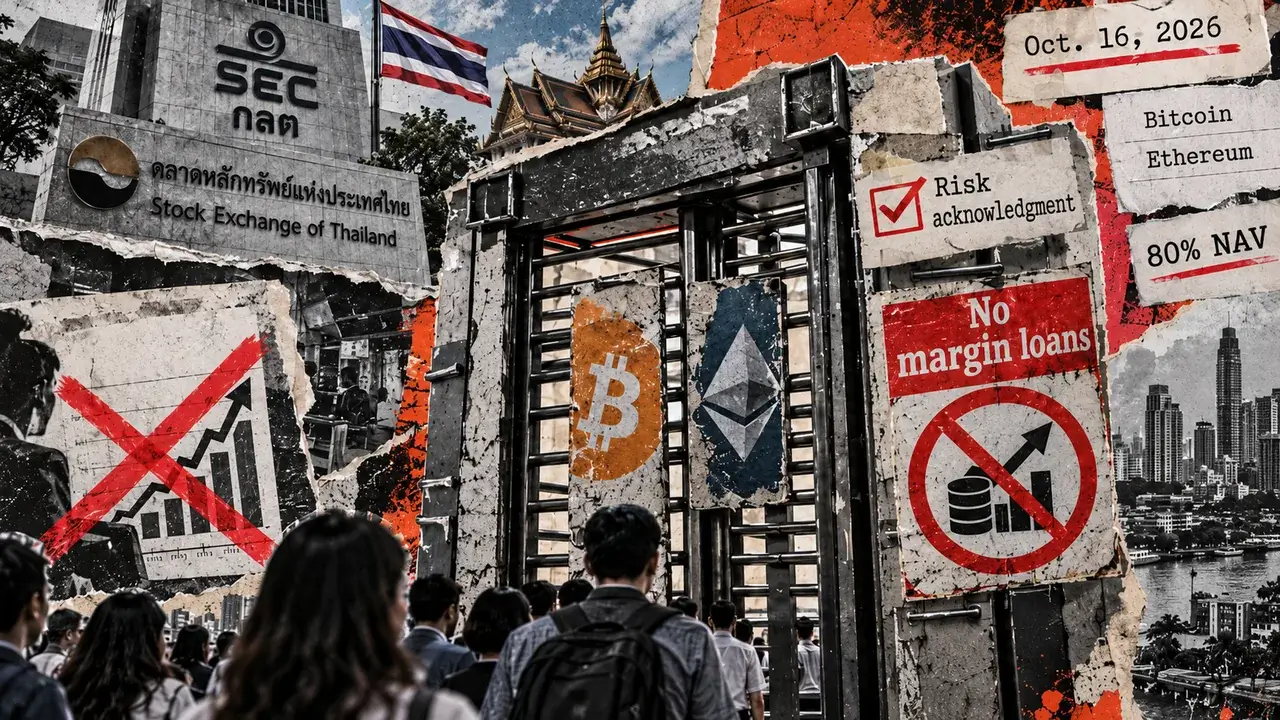
Thailand wants a piece of the $120 billion Bitcoin and Ethereum ETF market, but on its own terms
Thailand has finalized rules allowing domestic Bitcoin and Ethereum ETFs while restricting retail access to competing overseas inv...